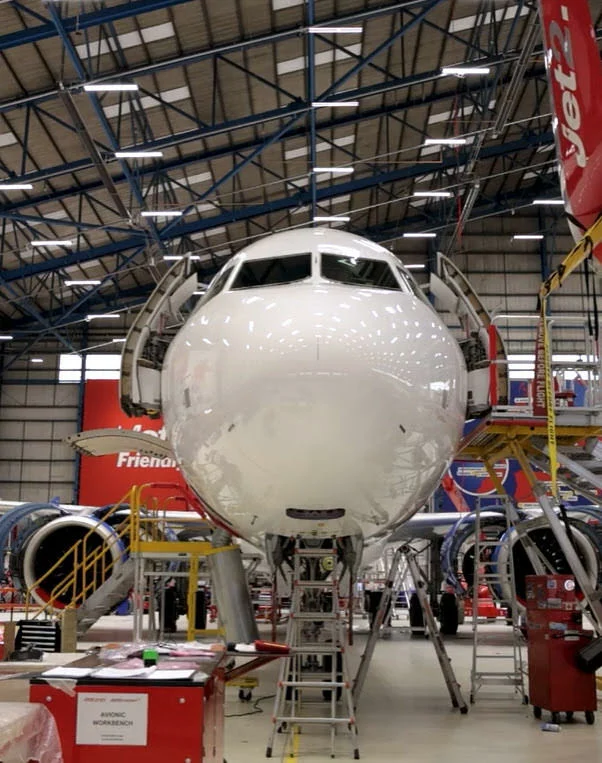
Jet2 has reached a notable milestone in its fleet modernisation programme with the arrival of its 30th Airbus A321neo. The aircraft, registered G-JZEA, operated its first revenue flight from Manchester Airport to Corfu, a popular leisure route for the UK-based carrier.
The delivery is part of a firm order for 155 A321neo aircraft, underscoring Jet2's commitment to replacing older-generation narrowbodies with more efficient technology. The A321neo, powered by CFM International LEAP-1A engines, delivers a 20% reduction in fuel consumption and CO₂ emissions per seat compared to the airline's current fleet average, along with a 50% lower noise footprint.
Fleet renewal and sustainability targets
Paul Southall, Head of Sustainability at Jet2, said: “Taking delivery of our 30th brand-new Airbus A321neo aircraft is a great milestone for Jet2 and demonstrates the investment we continue to make in our sustainability strategy. These aircraft are more efficient, quieter and deliver a fantastic onboard experience.”
Beyond the A321neo programme, Jet2 is undertaking a multi-million-pound retrofit of its Boeing 737-800NG fleet and has electrified more than half of its ground service equipment. The airline's climate transition plan aims to reduce carbon emissions per revenue-paying passenger kilometre by 35% by 2035, relative to 2019 levels.
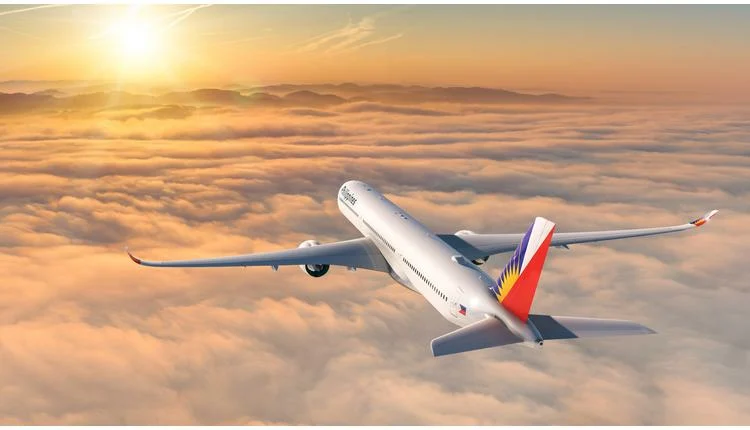
The carrier's approach mirrors broader industry trends, with other operators such as Riyadh Air pursuing fleet expansion to support long-haul ambitions, and Philippine Airlines ordering nine A350-1000s for its own growth plans. Jet2's strategy, however, remains focused on the European leisure market, where the A321neo's range and capacity are well suited to high-density routes from UK bases such as Manchester, Leeds Bradford, Birmingham, and London Stansted.
The airline has also invested in sustainable aviation fuel (SAF) offtake agreements and is exploring further partnerships to scale SAF usage, though the current delivery highlights the immediate impact of fleet renewal on operational efficiency.
With 125 A321neos still on order, Jet2 is positioned to continue its fleet transition over the coming years, balancing growth with environmental commitments. The carrier's emphasis on practical, results-driven actions—rather than aspirational targets—resonates with travel industry professionals who value measurable progress.
For travel agents and tour operators, the expanded A321neo fleet means greater seat capacity on existing routes and the potential for new destinations within the aircraft's range. Jet2's integrated model, combining airline, package holiday, and hotel operations, benefits from the operational flexibility these aircraft provide.
The milestone also highlights the broader shift toward next-generation narrowbodies across the European aviation sector, with airlines like Wizz Air, easyJet, and Ryanair also placing large A321neo orders. Jet2's measured approach—prioritising fleet renewal alongside infrastructure upgrades—offers a template for mid-sized carriers navigating the transition to lower-emission operations.