Malaysia is sharpening its focus on the business events sector, aiming to generate US$8 billion in cumulative economic impact by 2030. The country's push comes as it assumes the ASEAN chairmanship, a role that brings hundreds of regional government meetings and heightened visibility for its MICE infrastructure.
The Malaysia Convention & Exhibition Bureau (MyCEB) reports that as of the end of H1-2026, it has secured 416 major international business events scheduled through 2030. In the first half of this year alone, Malaysia hosted 194 events, drawing more than 341,000 international and local delegates. These numbers underscore the nation's growing appeal as a destination for conferences, incentives, and exhibitions.
Targeting high-value sectors
Rather than chasing sheer delegate volume, Malaysia is deliberately courting events in technology, energy, and healthcare—industries that align with its national economic roadmap. The country's semiconductor strength is a key draw, with events like the World AI Show Malaysia positioning Kuala Lumpur as a digital supply chain hub. In power and manufacturing, bids are prioritized for symposiums on energy transition and green technology. Meanwhile, medical and biotech gatherings, such as the International Biotechnology Symposium and regional Arthroplasty Congresses, consistently choose Malaysia as their host.
This sector-focused strategy is designed to attract high-spending delegates and foster knowledge exchange that benefits local industries. It also differentiates Malaysia from competitors that may rely on broader, less targeted appeals.
ASEAN chairmanship and Visit Malaysia 2026
Malaysia's current momentum is amplified by its role as ASEAN chair, which involves hosting over 300 regional government events. The government is using a "whole-of-nation" approach, distributing meetings across multiple states to showcase the country's diverse venues and destinations. This strategy not only spreads economic benefits but also introduces international delegates to regions beyond the capital.
Concurrently, the Visit Malaysia 2026 campaign is leveraging MICE travelers, who spend significantly more per capita than leisure tourists. The combination of these initiatives is expected to boost both business and leisure travel, with spillover effects for hotels, airlines, and local tour operators.
Infrastructure and connectivity
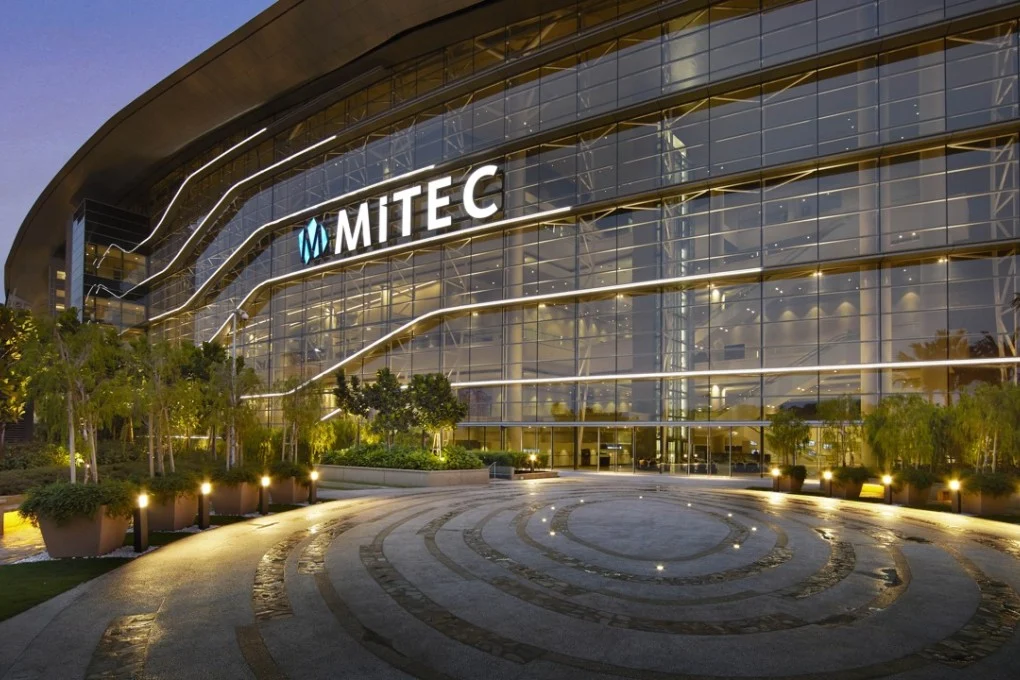
Malaysia's decentralized infrastructure model offers premier venues across distinct regions. Kuala Lumpur is anchored by the Kuala Lumpur Convention Centre (KLCC) and the Malaysia International Trade and Exhibition Centre (MITEC), the latter celebrating nine years as the nation's global business events hub. Penang is recognized for corporate incentive travel and large-scale conventions, such as the multi-day V-Malaysia event. Sabah and Sarawak combine high-tech facilities with access to pristine ecotourism, nature-based breakout spaces, and unique CSR projects.
Connectivity is a critical advantage. Malaysia's major airports, including Kuala Lumpur International Airport (KLIA), offer extensive flight networks, and visa-free entry for key growth markets like China and India simplifies travel for delegates. This ease of access, combined with competitive costs, positions Malaysia as a cost-effective, premium alternative to regional rivals.
Industry observers note that Malaysia's business events growth is part of a broader ASEAN trend, as the region emerges as a MICE hub amid shifting global dynamics. The country's proactive approach to event curation and infrastructure investment is likely to sustain its upward trajectory.
For travel professionals, Malaysia's ambitions signal opportunities across the value chain—from airlines and hotels to destination management companies and event technology providers. As the nation leverages its ASEAN chairmanship and Visit Malaysia 2026, the business events sector is set to be a key driver of tourism revenue and international engagement.