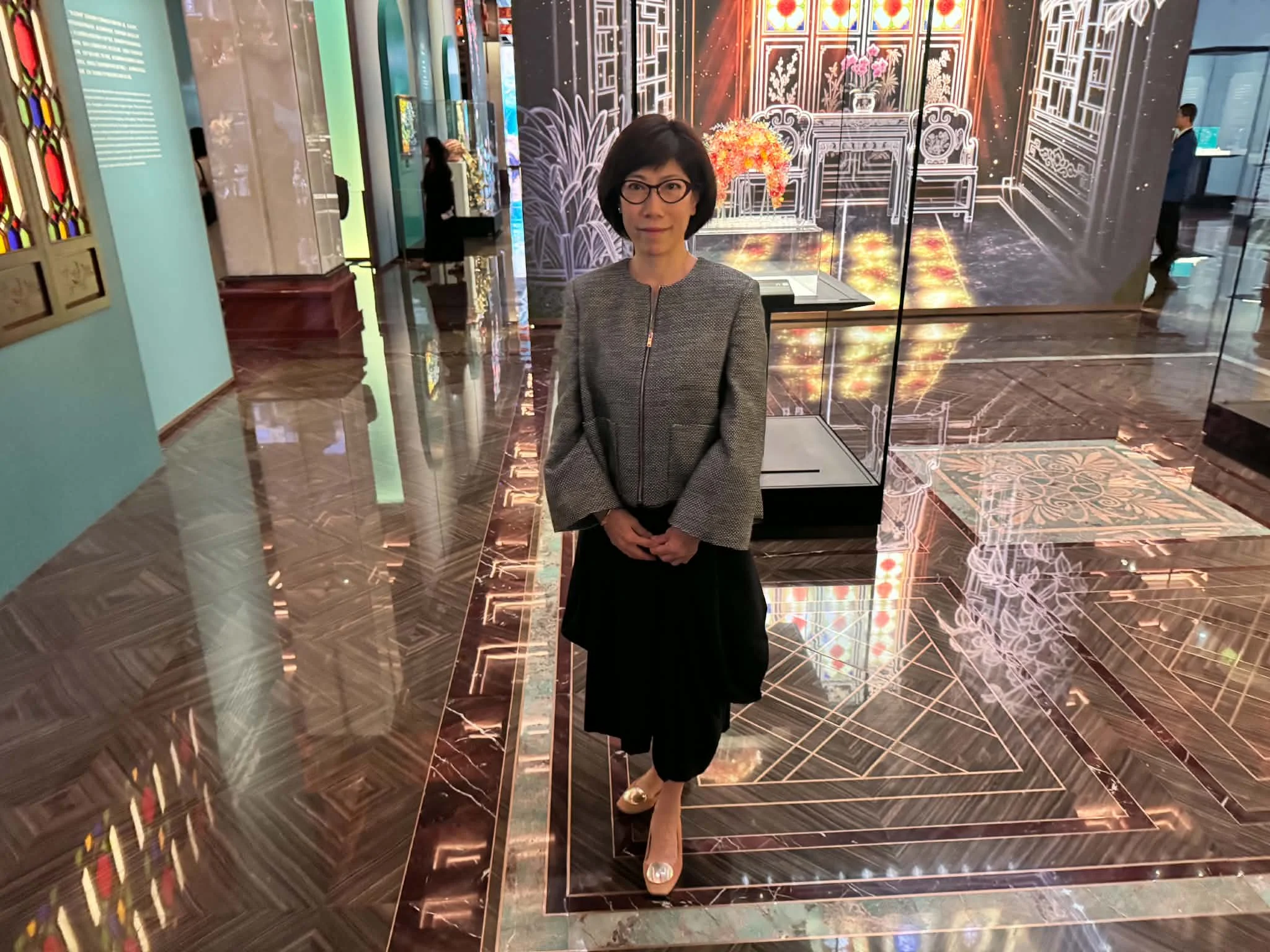
As Macau accelerates its pivot toward non-gaming tourism, MGM is positioning itself as a cultural anchor in the region. The integrated resort operator's Poly MGM Museum, launched in partnership with Beijing's Poly Culture Group, has become a case study in how heritage attractions can drive visitor engagement in a leisure-driven market.
Speaking exclusively at the opening of the museum's third exhibition, Luminous Brilliance, on 15 October, MGM senior vice-president of arts and culture Cristina Kuok outlined the company's evolving strategy. The exhibition, which explores the ancient craft of glassmaking (liuli), marks a shift from broad historical surveys to thematic deep dives.
“Macau sits at a unique historical crossroad between East and West,” Kuok said. “Our core vision will always focus on cross-cultural trade and shared artistic heritage, serving as an international gateway for mainland Chinese cultural institutions.”
From Botticelli to Silk Road: MGM's cultural evolution
MGM's commitment to arts predates Macau's current diversification push. Since opening MGM Macau in 2007, the company has woven culture into its corporate DNA. Early milestones included bringing Sandro Botticelli's Venus from Turin, partnering with the French Ministry of Culture for an Edgar Degas sculpture showcase, and commissioning large-scale installations by Portuguese artist Joana Vasconcelos for the Grande Praça.
By 2023, MGM formalized this trajectory by partnering with state-owned Poly Culture Group to launch a full-scale museum dedicated to Silk Road themes. The venue debuted in November 2024 with a Maritime Silk Road exhibition timed to the 25th anniversary of Macau's handover, and has since drawn 1.6 million visitors.
Luminous Brilliance: Making intangible heritage tangible
The current exhibition adapts a show originally staged at the National Museum of China in collaboration with Zibo, a historic glassmaking hub in Shandong province. It pairs ancient relics with contemporary works by Shandong artisans, but MGM has redesigned the layout for Macau's visitor profile.
“We don't want technology for its own sake,” Kuok emphasized. “Our goal is to help guests appreciate intangible cultural heritage and history without feeling bogged down by an overly academic presentation. Everyone should walk away with a meaningful visual memory.”
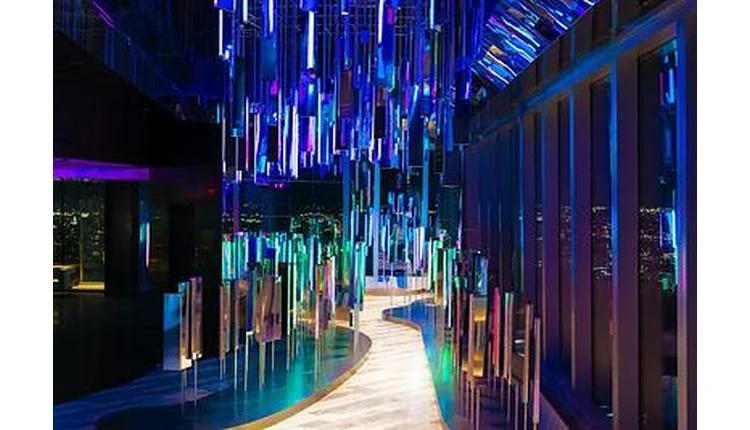
To that end, the exhibition replaces traditional vitrine displays with interactive LED installations, QR-code audio guides, and sensory digital elements. The approach appears to be working: the museum hit one million visitors within its first twelve months and has since surpassed 1.6 million.
Interactive programming and future plans
MGM is doubling down on interactivity. Upcoming additions include a night program, an expanded creative museum shop, and an NFC-based digital collection game. Previous exhibitions featured family tours led by docents in Tang Dynasty attire, a format that proved popular.
Looking ahead, the fourth exhibition will spotlight Xinjiang, incorporating live performances and traditional performing arts. Kuok stressed that the museum is a living institution, designed to nurture the next generation of creatives.
The strategy aligns with broader trends in destination marketing, where authentic cultural experiences are becoming key differentiators. As Macau transforms into a regional hub for immersive arts, MGM's model offers lessons for other operators seeking to blend heritage with modern engagement.
For travel professionals, the museum's success underscores the value of partnerships between private operators and state cultural bodies. It also highlights the importance of adapting exhibitions to local audiences—a consideration for any destination aiming to attract leisure travelers.
Related coverage: Sweden's museum density shows how cultural assets can drive tourism, while Taiwan's MICE strategy reinforces the value of in-person experiences. For luxury operators, innovative design continues to set benchmarks.