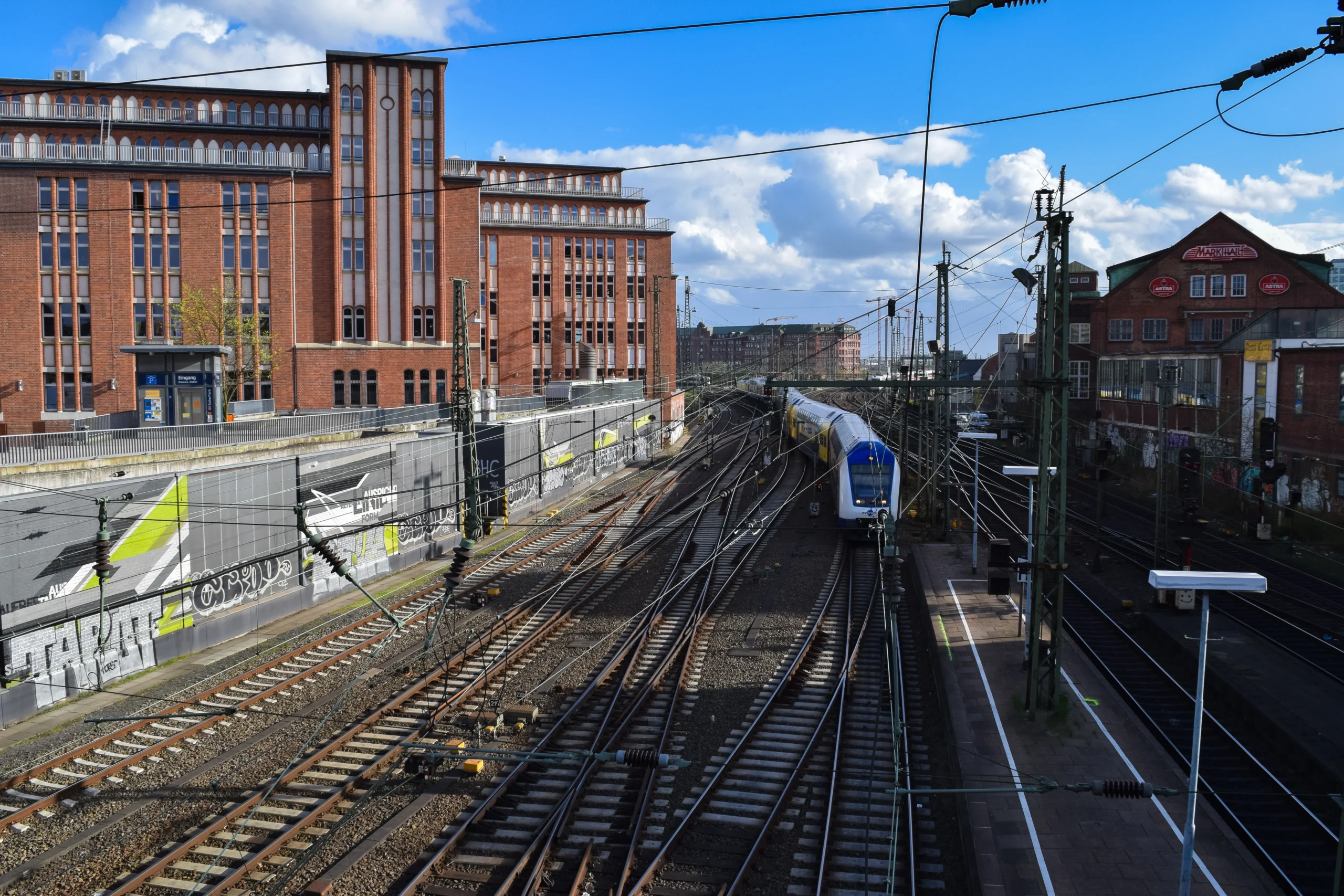
Berlin-based rail startup Nox Mobility has confirmed the launch of its debut overnight service, a Hamburg–Munich night train scheduled to begin operations on 23 March 2027. The service will run three times per week in each direction, calling at Bremen and Augsburg, and is positioned as a direct competitor to short-haul flights on one of Germany's busiest domestic corridors.
The move is the first tangible step in Nox Mobility's ambitious plan to link 100 European cities by 2035, a strategy that aims to reposition overnight rail as a mainstream alternative for business and leisure travellers alike. The company's leadership has repeatedly stressed that night trains can capture a meaningful share of the short-haul aviation market, particularly on routes where journey times and airport transfers make flying less efficient.
Product details: Nox Suites and Nox Rooms
The initial Hamburg–Munich service will feature individual Nox Suites, designed for solo travellers seeking privacy and comfort. Each suite includes a large seat, a fold-out table for work or dining, generous luggage space, and power outlets. At night, the seat converts into a lounge position, offering two metres of horizontal space — a configuration that Nox says rivals the comfort of a business-class sleeper on a train.
However, the fully private Nox Rooms for one or two passengers, which were originally promised at the company's launch, will not be available until 2029. This phased rollout suggests Nox is prioritising a quicker market entry with a simpler product, while refining the room concept for later deployment across its planned network.
One-way fares for the Nox Suites start at $69 (approximately €65), a price point that undercuts many last-minute airline tickets on the Hamburg–Munich route, which is served by Lufthansa and Eurowings with frequent flights. The southbound train departs Hamburg at 21:22, stops in Bremen at 22:30 and Augsburg at 07:35, and arrives in Munich at 08:14. Northbound, the train leaves Munich at 21:20, calls at Augsburg at 21:51 and Bremen at 07:20, reaching Hamburg at 08:27.
Strategic implications for European rail and travel
Nox Mobility's entry into the night train market comes at a time when European rail operators are expanding their overnight offerings. Austrian Federal Railways (ÖBB) has long operated its Nightjet network, and new entrants like Midnight Trains have announced ambitious plans, though some have faced delays. Nox's focus on private suites and a direct city-pair service could appeal to a demographic that might otherwise choose a short-haul flight, particularly on routes where rail travel times are competitive.
For travel professionals, the Hamburg–Munich service represents a new option for clients seeking sustainable travel without sacrificing comfort. The route connects two major business hubs, and the overnight schedule allows for a full working day at either end. The inclusion of Bremen and Augsburg adds secondary city connectivity, which could be attractive for corporate travel managers looking to reduce carbon footprints.
The broader ambition to connect 100 European cities by 2035 is a long-term play that would significantly reshape the continent's rail map. If Nox can execute on that vision, it would create a viable alternative to intra-European flights on dozens of routes, potentially influencing airline pricing and capacity decisions. For now, the company is focused on delivering a reliable, high-quality service on its first corridor.
Industry observers will be watching how Nox manages operational challenges such as track access, rolling stock maintenance, and integration with existing rail networks. The company has not yet announced partnerships with national rail operators or distribution through global distribution systems (GDS) like Amadeus or Sabre, which could be a hurdle for travel agents seeking to book the service. However, Nox has indicated that it will sell tickets directly through its own platform, with potential for future API integrations.
The launch also comes amid broader geopolitical and economic pressures on global tourism, as noted in recent industry analyses. While night trains are generally resilient to fuel price fluctuations, they are not immune to infrastructure constraints or border delays. Still, the growing demand for low-carbon travel options suggests that Nox's timing may be opportune.
For travel advisors, the new service offers a fresh selling point for clients who value privacy and productivity. The Nox Suite's workspace and power outlets make it suitable for overnight work, and the two-metre lounge position ensures a restful sleep. With fares starting at €65, it is also a cost-effective alternative to a hotel plus a morning flight.
Nox Mobility's Hamburg–Munich night train is set to become a test case for the viability of premium overnight rail in Europe. If successful, it could pave the way for similar services on other high-demand corridors, such as Berlin–Cologne or Frankfurt–Vienna. The company's 2035 target of 100 cities is bold, but the first step is now concrete.