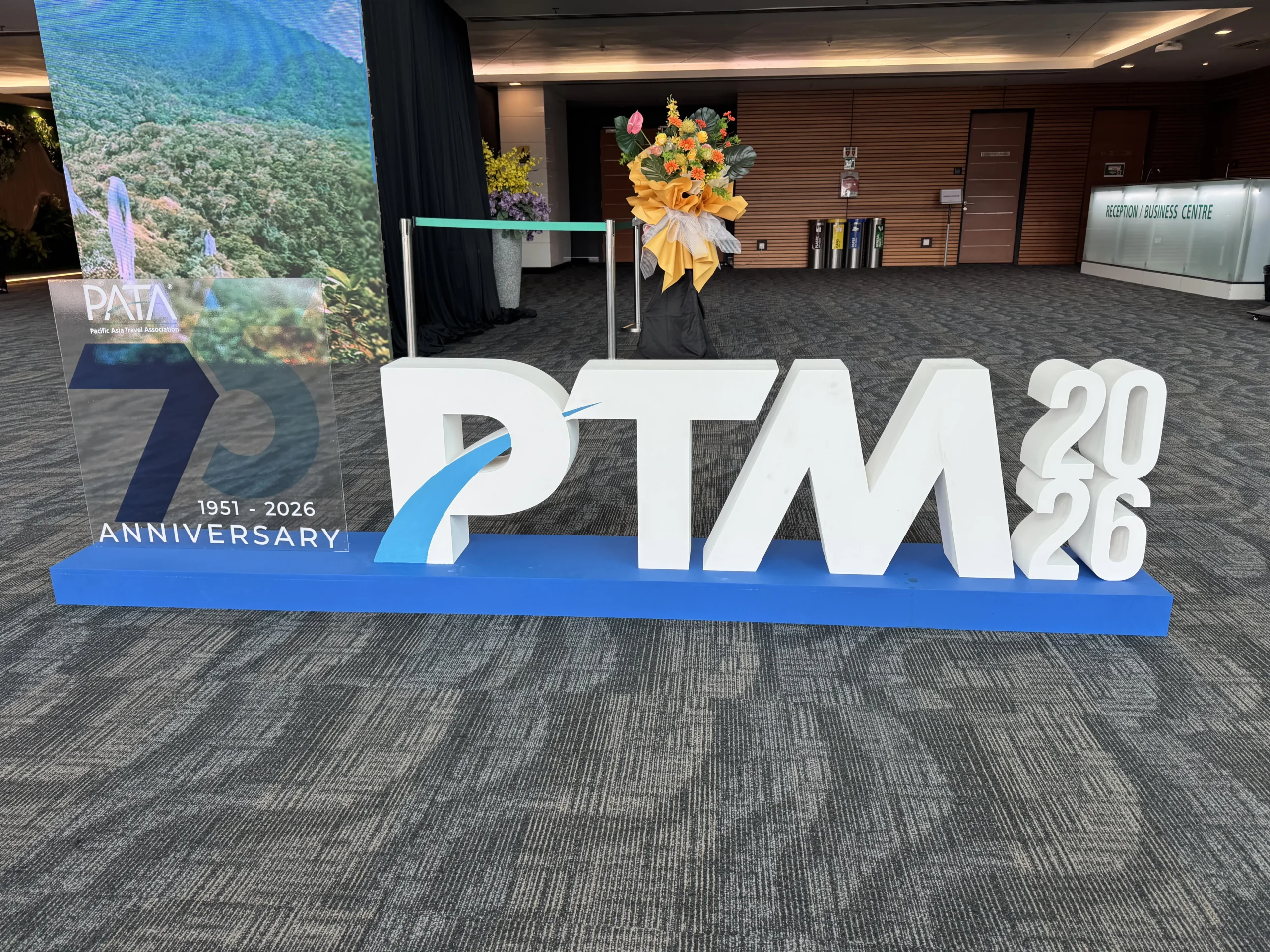
The Pacific Asia Travel Association (PATA) closed its four-day Travel Mart on 20 August at the Borneo Convention Centre Kuching in Sarawak, Malaysia, drawing a clear picture of an industry recalibrating for 2027. With the Iran conflict constraining Gulf airspace since late February 2026, delegates heard how ASEAN is emerging as a prime alternative for MICE events and how technology adoption remains cautious.
ASEAN's rise as a MICE alternative
PATA CEO Noor Ahmad Hamid told the press conference on 18 August that ASEAN member states represent a largely untapped market for both inbound and outbound travel. The current inaccessibility of key Gulf locations, coupled with soaring fuel costs and the expense of staging events in Europe and North America, is pushing MICE organisers to look Southeast. Sarawak's capital, Kuching, itself served as a case study: a secondary city with modern convention facilities and direct air links via Malaysia Airlines and AirAsia.
Hamid emphasised that the crisis should be viewed as a challenge rather than a hindrance. "We are seeing a structural shift in where global meetings happen," he said. "ASEAN's infrastructure, hospitality standards, and visa facilitation make it a natural fit for corporate events that previously defaulted to Dubai or Singapore." The region's smaller destinations also offer a buffer against overtourism, a recurring theme throughout the mart.
AI: trust gap persists
During the PTM Knowledge Forum's fireside chat on artificial intelligence, panelists revealed that only 12% of travel professionals would trust an AI agent to make independent travel decisions on their behalf. Yang Li, Booking.com's head of public affairs for APAC, captured the mood: "Efficiency gains are real, but there is still a major trust gap when allowing AI to do more than search."
While generative AI has democratised data analytics, the panel noted that wider rollout is slowed by resource constraints—both in terms of computing power and skilled personnel. The consensus: AI should be deployed as a tool to augment human decision-making, not replace it. For travel-tech vendors, this suggests a market for explainable AI that builds confidence, as seen in AI risk monitoring tools now embedded in some Asian travel apps.
Secondary destinations take the spotlight
Hosting the Travel Mart in Kuching was both tactical and timely. It showcased Sarawak's lesser-known attractions—from Bako National Park to the cultural villages along the Sarawak River—to a global audience of tour operators and media. "When you bring 500 buyers to a place like this, they leave with itineraries they never considered before," said a Malaysian tourism board official.
This approach also addresses overtourism. By steering events and leisure travel toward secondary cities, destinations can distribute visitor flows more evenly. The strategy aligns with broader industry efforts to promote sustainable growth, a point echoed in the cross-border collaboration panel.
Cross-border collaboration as a game changer
The panel on cross-border collaboration argued that a journey is never experienced as a series of fragmented transactions between airlines, hotels, and venues, but as a single continuous experience. The quality of that experience depends on how seamlessly these sectors align behind the scenes. For nations, streamlining visa processes, expanding direct airlift, and simplifying local navigation are essential to unlocking growth.
This macro-outlook must be adopted throughout the tourism ecosystem—from national tourism boards down to individual hoteliers and transport providers. The panel cited the recent Thai Airways expansion on Bangkok-Zurich as an example of how airlift decisions can ripple through the entire value chain, enabling new MICE and leisure flows.
As the industry prepares for 2027, the messages from Kuching are clear: embrace flexibility, invest in secondary destinations, and treat AI as an assistant, not an oracle. The Middle East disruptions may be temporary, but the strategic pivots they have triggered—toward ASEAN, toward sustainable dispersal, and toward human-centric technology—are likely to endure.