The polar expedition cruise sector is navigating a paradox: climate change is both fueling demand and complicating operations. As the Arctic and Antarctic warm at up to four times the global average, travelers are flocking to witness vanishing ice—yet the very conditions they seek are making voyages more hazardous and costly.
Record demand meets volatile conditions
Antarctic passenger numbers have surpassed 120,000 in recent seasons, according to industry figures. This surge is driven by 'last-chance tourism'—travelers eager to see glaciers and wildlife before they transform irreversibly. Simultaneously, Arctic destinations are benefiting from European heatwaves, positioning the high north as a cool escape. Hurtigruten and Ponant report strong bookings for Svalbard and Greenland itineraries, while Quark Expeditions has expanded its polar fleet.
However, operational reality is increasingly challenging. Retreating sea ice opens new waterways but also introduces uncharted hazards, forcing operators to alter routes dynamically. On shore, thawing permafrost is destabilizing runways and hotels in places like Longyearbyen and Ushuaia, complicating logistics for cruise lines and tour operators.
Insurance and environmental costs climb
Insurance underwriters have raised premiums by up to 300% in vulnerable maritime zones, sharply increasing operating costs. This is squeezing margins for expedition operators, who must also invest in ice-strengthened vessels and advanced navigation systems. The rising cost of fuel adds further pressure, as polar voyages require long-haul flights and heavy fuel consumption.
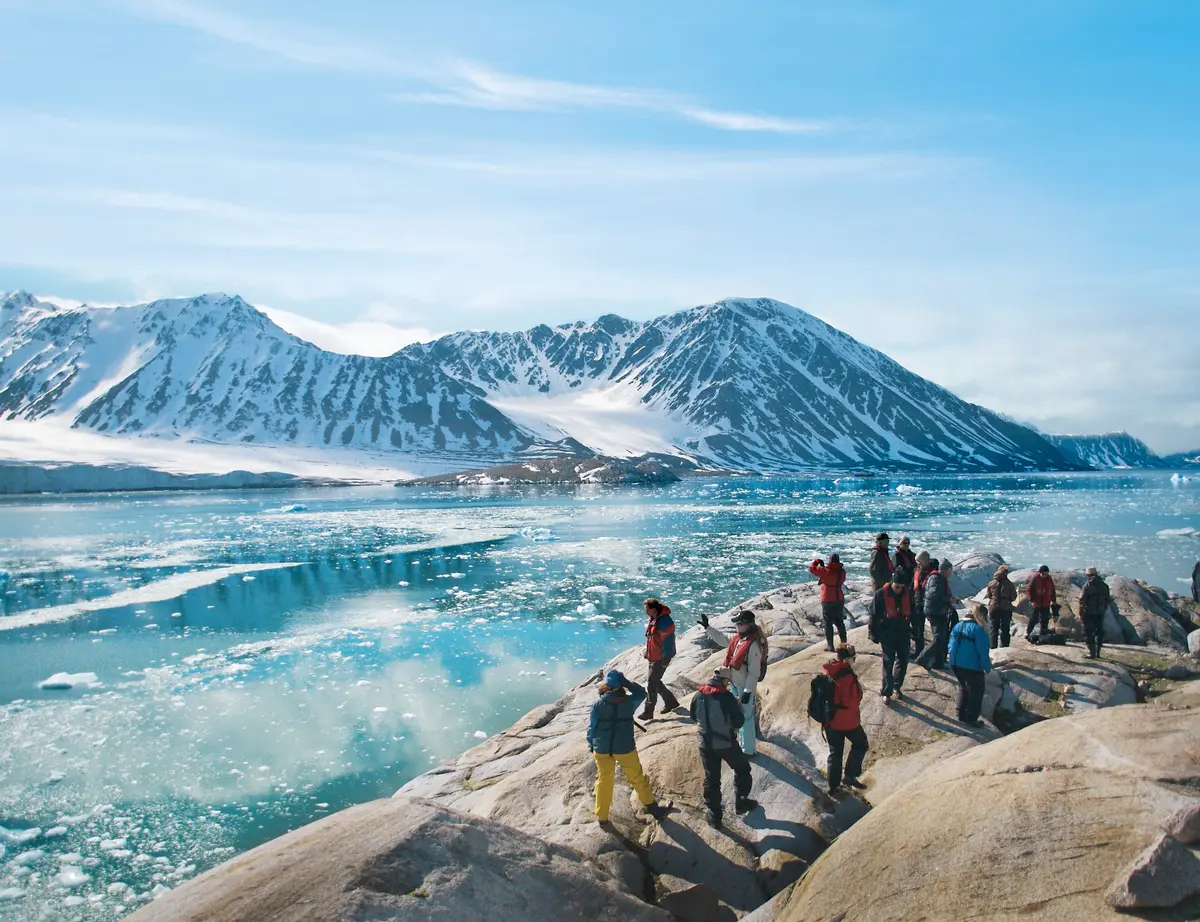
To protect fragile ecosystems, the International Association of Antarctica Tour Operators (IAATO) enforces strict protocols: mandatory boot-washing stations, exclusion distances around wildlife colonies, and limits on simultaneous landings. These measures are non-negotiable, but some argue they are insufficient.
Citizen science as a mitigation tool
Many operators are turning to citizen science to offset their carbon footprint. Guests on Silversea and Lindblad Expeditions now document whale migrations, survey penguin rookeries, and collect marine samples for research institutions. This transforms passengers from passive sightseers into conservation advocates, a trend that also enhances the guest experience.
Yet, an internal fracture is emerging. A growing number of seasoned expedition guides and field researchers are leaving the industry, citing concerns that high-emission travel hastens the very degradation visitors come to see. This ethical dilemma is prompting debate about whether voluntary measures suffice or if mandatory visitor caps and exclusion zones are inevitable.
As the industry edges toward a regulatory crossroads, stakeholders are weighing the future of extreme-latitude exploration. The tourism outlook remains uncertain, but polar cruising is unlikely to disappear—rather, it will evolve under stricter oversight and higher costs.