The definition of luxury travel is being quietly rewritten. Where once the sector was defined by grandeur and exclusivity, a new wave of high-end travelers is prioritizing experiences that are personal, purposeful, and deeply rooted in place. This shift is reshaping everything from hotel design to destination choice, and it has significant implications for airlines, hoteliers, cruise lines, and tour operators catering to the luxury market.
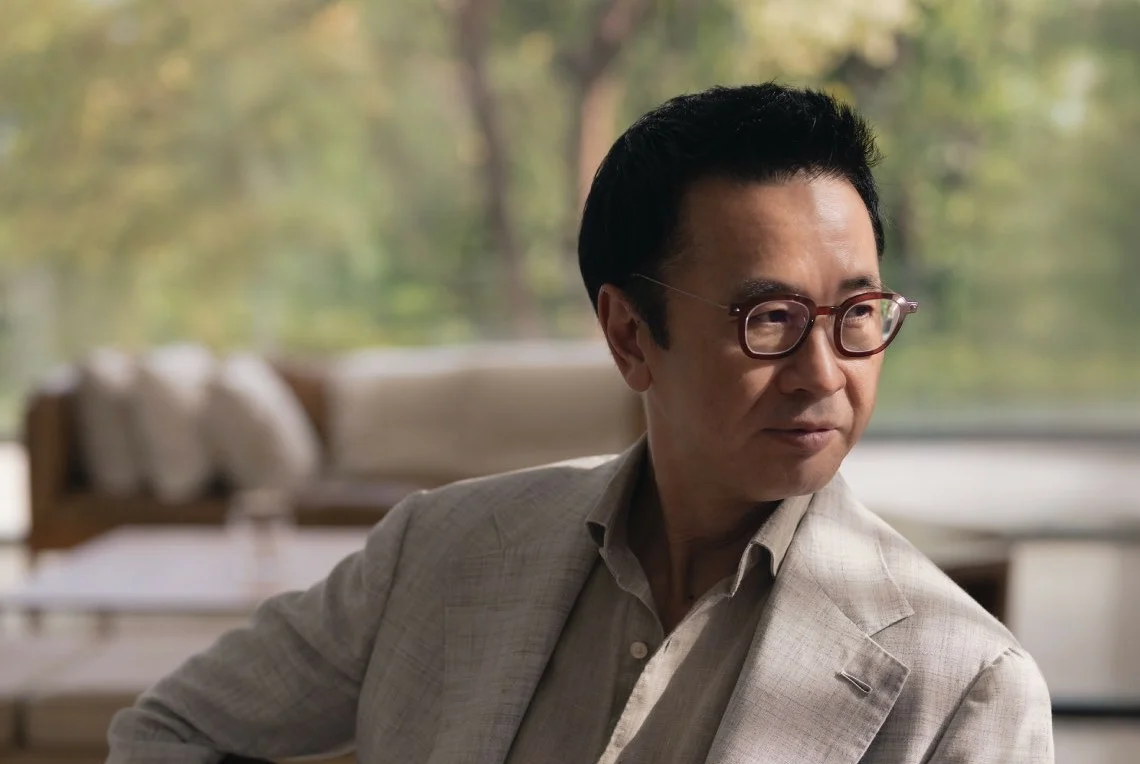
Clint Nagata, founder and creative partner of BLINK Design Group—whose portfolio includes projects for Six Senses, Mandarin Oriental, Banyan Tree, and One&Only—observes that today’s travelers “aren’t just looking for a room—they are looking for a narrative.” This demand for storytelling is driving a move away from standardized luxury toward curated, authentic encounters.
From Bangkok to Koh Yao Noi: The Rise of Slower Destinations
The transformation is visible even in established luxury hubs. While Bangkok and Phuket remain popular, Nagata notes growing interest in quieter destinations such as Koh Yao Noi, Chiang Rai, and lesser-known coastal retreats. Travelers are embracing slower, more intentional journeys, seeking to engage with local food, craftsmanship, landscapes, and communities rather than simply ticking off sights.
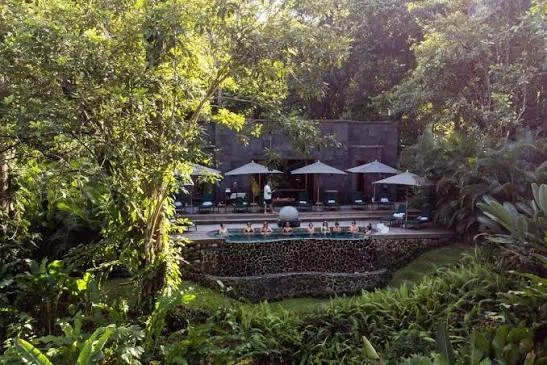
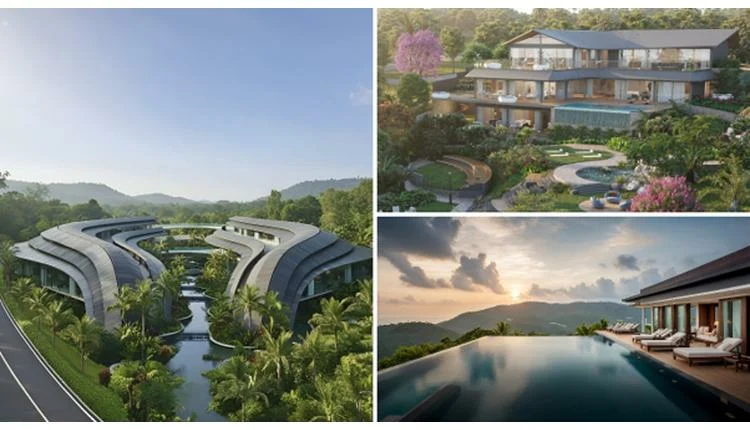
This evolution is changing how hotels are conceived. Instead of relying on recognizable cultural motifs, designers are interpreting a destination through its architecture, materials, and relationship with the environment. “It’s about whispering ‘Thailand’, not shouting it,” Nagata explains, describing an approach that draws on local climate, traditional spatial planning, and craftsmanship rather than decorative symbolism.
Wellness has expanded beyond the spa to influence the entire guest experience. Circadian lighting, acoustic privacy, and biophilic elements are becoming integral to hospitality projects, reflecting demand for environments that encourage rest, recovery, and connection with nature. For cruise lines like Explora Journeys, which is setting new standards with LNG-powered vessels and residential-style suites, these design principles are equally relevant at sea.
Technology, meanwhile, is expected to remain largely invisible. Nagata believes AI and smart systems should work quietly in the background, anticipating guest preferences while allowing staff to focus on personalized service. “Technology should act as a ‘silent butler’—present, but never intrusive,” he says. This approach aligns with the broader trend toward luxury travel redefining opulence from overt wealth to zero-footprint retreats.
Despite global economic uncertainty, Thailand’s luxury segment has remained resilient. Many high-net-worth travelers now view luxury travel as an essential part of wellbeing rather than discretionary spending. Nagata notes that Thailand continues to stand out for delivering “value-driven luxury,” combining high-quality hospitality with experiences that often exceed expectations relative to price.
Looking ahead, Nagata expects luxury hospitality to become “quieter, more contextual and more human,” with greater emphasis on regenerative travel, responsible design, and experiences rooted in place. He also sees continued growth in branded residences, extending the hospitality lifestyle beyond hotels into permanent homes—a trend exemplified by projects like Aman Singapore Sky Residences.
For hospitality brands, the challenge is no longer simply to create impressive places to stay. As travelers redefine what luxury means, success will increasingly depend on creating experiences that are authentic, emotionally resonant, and connected to their surroundings. This quiet revolution is one that every travel professional—from airline executives to cruise line operators and destination marketers—must understand to remain relevant in the evolving luxury landscape.