River cruising has emerged as the standout performer in the global cruise industry, with year-on-year growth holding steady at five percent as of May 2026—more than triple the 1.5 percent expansion of the ocean sector. The shift reflects a broader traveler preference for smaller, more intimate vessels that dock in the heart of historic cities, avoiding the crowds and industrial ports associated with mega-ships.
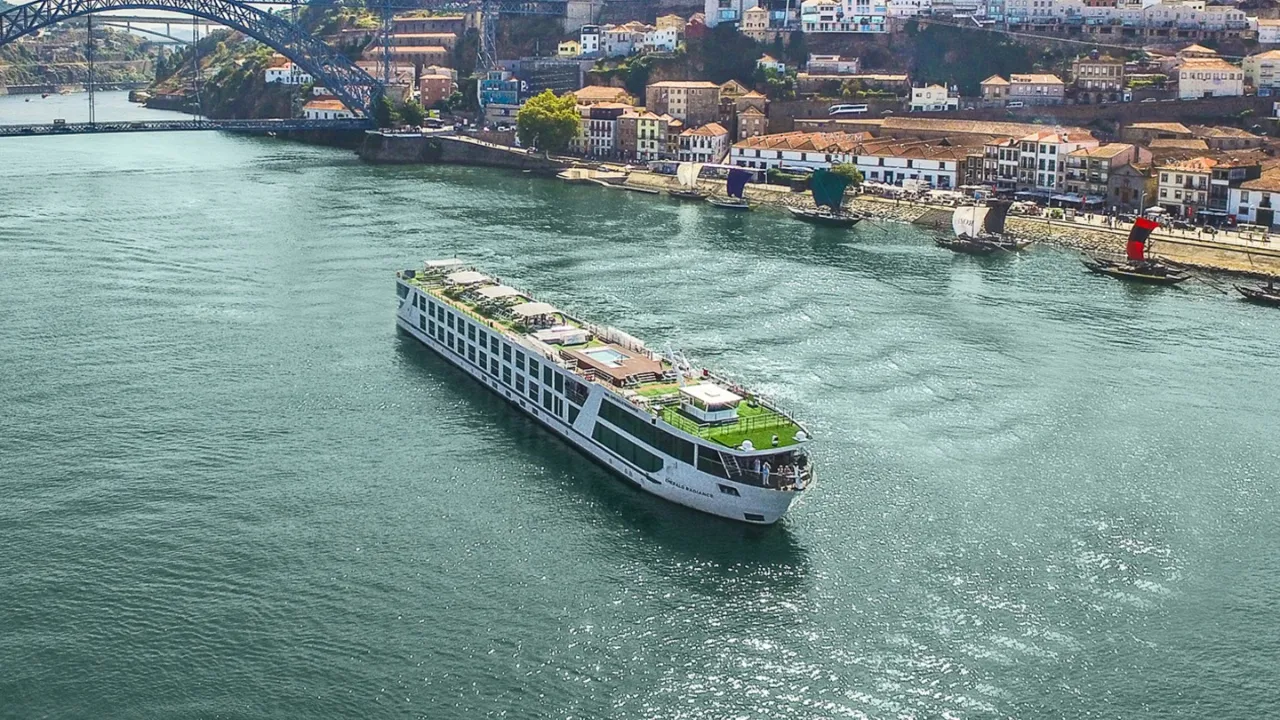
Industry analysts point to six key drivers behind the surge. River vessels typically carry just 130 to 180 passengers, yielding a high crew-to-guest ratio and a boutique atmosphere. Unlike ocean liners that berth at remote terminals, river ships pull directly into city centers—think docking steps from the old town in Passau or the souks of Luxor. The logistics are simpler too: guests unpack once and glide across borders without the daily grind of hotel changes or airport transfers.
Immersion is the other big draw. Operators are partnering with local guides and communities to offer walking tours, cycling excursions, and regional culinary experiences that connect travelers to culture in ways that traditional shore excursions often miss. According to insights from Trafalgar and the Cruise Lines International Association (CLIA), these curated encounters are resonating with a demographic that is no longer limited to retirees. Millennials, Gen-Xers, and families are flocking to rivers like the Mekong, the Nile, the Amazon, and Europe's Rhine and Danube.
All-inclusive pricing is another factor. Most river cruise lines bundle meals, drinks, and shore excursions into a single fare, giving travelers predictable budgets and shielding them from surprise costs. That transparency appeals to a generation that values both experience and financial clarity.
Fleet expansion and new entrants reshape the market
Looking ahead to 2027, CLIA has confirmed that 21 to 25 new river vessels will enter service across major operators. The expansion is not limited to established river specialists. Ocean cruise lines are moving inland, most notably Celebrity River Cruises, whose inaugural 2027 season sold out in under six minutes. Its new ships, Celebrity Compass and Celebrity Seeker, will sail the Rhine and Danube. MSC Group's Explora Journeys is also signaling heavy investment in river vessels, while AmaWaterways is adding three ships—AmaRudi, AmaFiora, and AmaMaya—and Uniworld is launching four new vessels. Viking continues its aggressive multi-ship rollout.
For travel professionals, the implications are clear. River cruising offers a higher-margin, lower-capacity product that appeals to a broader demographic than ever before. Agents and operators should prepare for increased demand, especially on European waterways and emerging routes in Asia and Africa. The trend also aligns with a wider industry shift toward personalized, immersive travel—a theme echoed in recent developments such as Sea Cloud Cruises' tech overhaul and the bundled airfare offers from Mitsui Ocean Cruises.
As the peak holiday season approaches, river cruise operators are also diversifying itineraries to cater to shifting demographics. New routes are being introduced on less-traveled rivers, and themed cruises—from wine-focused sailings in Bordeaux to family-friendly adventures on the Douro—are becoming standard. The result is a segment that is not just growing but evolving, and one that travel advisors would be wise to feature prominently in their portfolios.
With the 2027 season already generating buzz, the river cruise boom shows no signs of slowing. For those in the trade, the message is simple: the future of cruising is not just on the open sea—it's on the rivers that wind through the world's most captivating destinations.