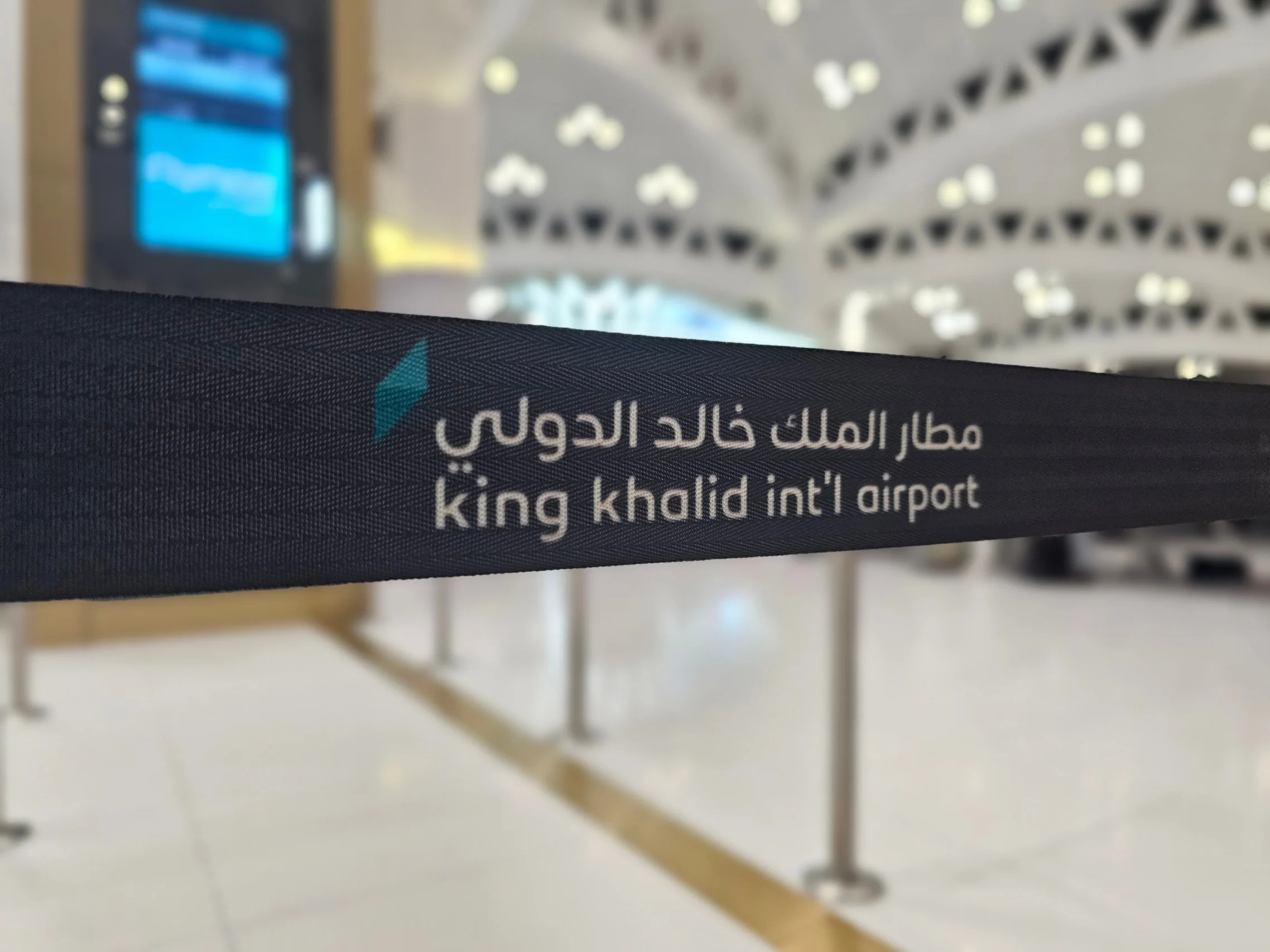
King Khalid International Airport (RUH) in Riyadh is expected to remain closed until 17 October following a series of deadly attacks, prompting international carriers to extend flight cancellations across Saudi Arabia. The prolonged shutdown is creating significant uncertainty for passengers and raising concerns about the resilience of regional aviation and business travel.
According to Reuters reporting on 12 October, Saudi authorities extended the closure as safety and operational-readiness assessments continued. A subsequent Notice to Airmen (NOTAM) indicated the suspension would remain in effect until 21:00 GMT on 17 October. The General Authority of Civil Aviation stated the closure was necessary to complete procedures ensuring the safety and operational readiness of airport facilities. The situation remains fluid, and the stated closure period should not be interpreted as a guaranteed reopening time.
Airlines extend flight suspensions
International carriers have been adjusting schedules as the disruption spreads beyond Riyadh. Etihad Airways cancelled Abu Dhabi–Riyadh services through 19 October, with flights to Jeddah and Dammam also affected. Qatar Airways temporarily suspended services to and from Riyadh and Dammam. Emirates and Air Arabia also reported service disruptions.
European carriers have followed suit. Lufthansa Group cancelled flights to Riyadh, while Air France-KLM extended its suspension of services to the Saudi capital through the end of October. Indian carriers have also announced cancellations: IndiGo extended cancellations affecting Riyadh, Jeddah, Dammam and Madinah through 17 October, and Air India and Air India Express adjusted their Saudi services.
These measures underscore the wider impact on regional connectivity. Travellers with itineraries involving Saudi Arabia may face missed connections, rebooking requirements and changes to onward journeys, even when their original destination is outside Riyadh. However, suspension periods differ by airline and route. Travellers should consult their carrier's latest advisory rather than assume every Saudi destination is subject to the same restrictions.
Business travel faces fresh uncertainty
The aviation disruption is also affecting Saudi Arabia's efforts to attract international business and investment. The kingdom is preparing to host the Future Investment Initiative (FII), its flagship investment conference scheduled for later in October in Riyadh. The event brings together business leaders, investors and policymakers to discuss global investment and economic development.
In a development reported on 13 October, Reuters said Saudi Arabia planned to offer a hybrid format allowing executives to participate remotely following the attacks on Riyadh airport. Some delegates were still expected to travel to the event using alternative routes, including arriving at airfields outside Riyadh or travelling through neighbouring Gulf states before continuing overland. Such arrangements, however, depend on individual travel plans and the prevailing security situation.
The shift towards hybrid participation illustrates how disruption to transport infrastructure can affect events beyond the aviation sector. Organisers of international conferences may need to reconsider delegate travel, attendance formats and contingency arrangements when access to a destination becomes uncertain. For Saudi Arabia, the challenge is to maintain international business engagement while addressing immediate safety concerns.
A test for regional travel resilience
The Riyadh disruption highlights the dependence of international tourism and business travel on reliable aviation links. When a major airport closes, the consequences can extend across airline networks, hotel bookings, corporate travel and international events. The situation also echoes broader concerns about Middle East airspace closures and their cost to global tourism.
For the wider travel industry, the immediate priority is to provide passengers with clear information and practical assistance. Longer term, the situation reinforces the importance of contingency planning, flexible booking arrangements and alternative participation formats for international events. As airlines and travel management companies adapt, the industry will be watching closely to see how quickly normal operations resume and what lessons are learned for future disruptions.