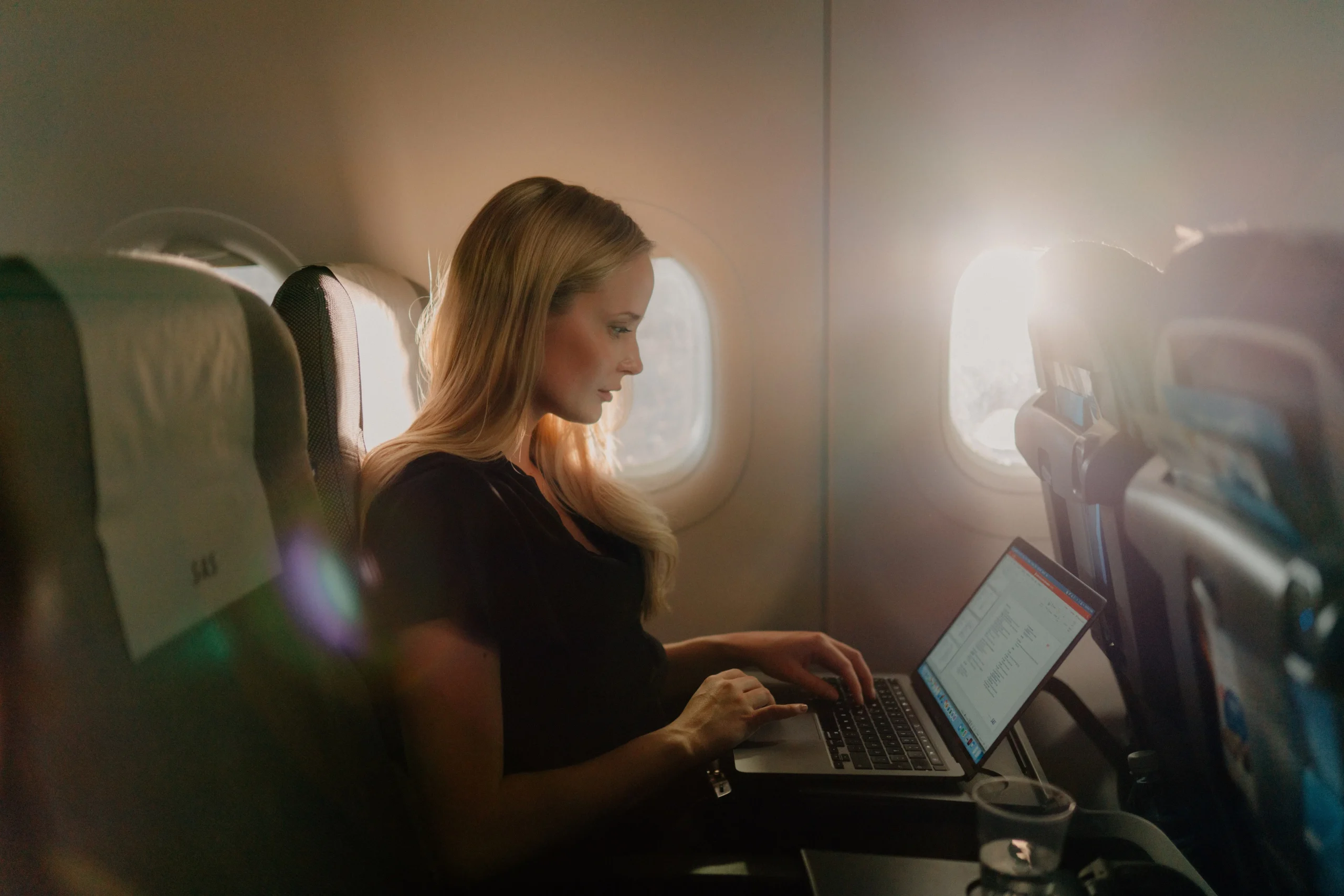
Scandinavian Airlines (SAS) has wrapped up the installation of Starlink's high-speed satellite internet across its entire Airbus A320neo fleet, a process that took just six months. The carrier announced that all 81 A320neo aircraft are now equipped with the service, covering a substantial portion of its European network.
EuroBonus members can access the Wi-Fi at no cost, enabling them to work, stream, or browse during their flights. The rollout, which began in March, aligns with SAS's strategy to deliver fast, reliable connectivity to as many passengers as possible.
Record-time deployment
Paul Verhagen, Executive Vice President and Chief Commercial Officer at SAS, highlighted the speed of the project. “Today, the installation across our entire A320neo fleet is complete, in record time. Bringing high-speed connectivity to these aircraft means many of our customers can enjoy a better-connected journey,” he said.
The A320neo fleet represents roughly 70% of SAS's total fleet and is the backbone of its European operations, flying extensively across Scandinavia and the continent. With this milestone, the A320neo becomes the first aircraft type in the SAS fleet to be fully outfitted with Starlink.
Starlink leverages low-Earth-orbit satellites to provide high-speed, low-latency internet, a significant upgrade over traditional in-flight connectivity systems. The service is expected to enhance the passenger experience on short- and medium-haul routes, where connectivity has historically been limited.
SAS is now preparing for the next phase of its Starlink rollout, with additional installations planned for other aircraft types before the end of the year. This initiative coincides with the airline's 80th anniversary, underscoring its commitment to innovation and customer satisfaction.
The completion of the A320neo rollout comes as airlines across Europe are investing in connectivity to differentiate their offerings. For example, Turkish Airlines has been expanding its European network, and American Airlines is adding new European routes for summer 2027, highlighting the competitive landscape.
Industry analysts note that free, high-speed Wi-Fi is becoming a key factor for business travelers and leisure passengers alike. SAS's move to offer it free to EuroBonus members could help boost loyalty program engagement, especially on high-frequency European routes.
The airline's rapid deployment of Starlink technology also positions it as a leader in in-flight connectivity among European carriers. While other airlines have been slower to adopt satellite-based systems, SAS's aggressive timeline demonstrates the feasibility of fleet-wide upgrades.
Looking ahead, SAS plans to extend Starlink to its long-haul aircraft, which would bring the same benefits to intercontinental travelers. The airline has not disclosed a specific timeline for those installations but has indicated that work will continue through the year.
For travel professionals, the enhanced connectivity could influence booking decisions, particularly for corporate clients who value productivity during flights. As more carriers adopt similar technologies, the competitive bar for in-flight experience continues to rise.