Singapore's meetings, incentives, conferences and exhibitions (MICE) sector has posted a robust recovery, with event receipts climbing more than 35% year-on-year in 2025, surpassing pre-pandemic benchmarks. Speaking at the 2026 Association MICE Symposium, Singapore Tourism Board (STB) director Carrie Kwik detailed the city-state's strategy to maintain its competitive edge, anchored by the Tourism 2040 roadmap that targets a tripling of tourism receipts.
Infrastructure upgrades and new hotel consortium
Kwik announced the Shine initiative, a consortium of 22 hotels offering a consolidated bid-winning package for event organisers. The refreshed Singapore MICE Advantage Programme (SMAP) 5.0 aims to enrich delegate experiences through curated add-ons. These moves come as Singapore retains its top global meeting destination ranking for the 23rd consecutive year, according to industry benchmarks.
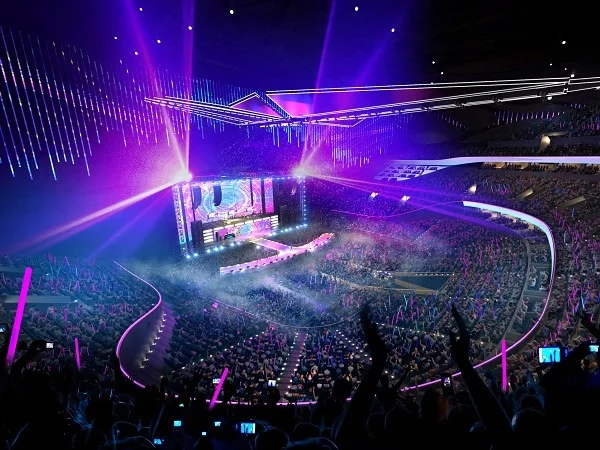
On the hardware front, a new downtown MICE hub is planned for the Straits View precinct, integrated with three MRT lines and the upcoming Changi Airport Terminal 5. The development is designed to offer seamless connectivity for international delegates, reinforcing Singapore's appeal as a gateway for Asia-Pacific events. However, rising costs have prompted some organisers to explore alternatives; a recent analysis of shifting MICE demand noted that Bangkok, Hong Kong, Malaysia and Indonesia are increasingly considered for budget-sensitive programmes.
Beyond infrastructure: human capital and legacy
Kwik emphasised that world-class facilities are merely the baseline. The true differentiator, she argued, lies in software, human capital and knowledge networks. A case in point is the 18th World Congress of Anesthesiologists (WCA), hosted in 2024 after a 20-year pursuit by the Singapore Society of Anesthesiologists. The event drew over 5,000 delegates from 140 countries and set new sustainability standards, cutting carbon emissions by nearly half compared to previous editions. It also launched a community CPR initiative, 'Kids Save Lives', demonstrating how MICE events can leave lasting societal legacies.
Similarly, the inaugural ASEAN International Coffee Summit 2026 illustrates how STB nurtures homegrown ambition. Partnering with the Singapore Coffee Association, the bureau helped elevate a local entity into a multi-edition regional platform, pairing trade dialogue with public coffee trails. The strategy paves the way for a bid to host the World Coffee Conference, showcasing Singapore's ability to scale niche events into global platforms.
Strategic positioning for association leaders
Kwik's message to global organisers was clear: Singapore is not merely a venue but a springboard for legacy. The defining question for association leaders, she said, is no longer where to meet, but what global platform only they can build — and whether Singapore will be the place where it takes shape. With the Tourism 2040 roadmap, new infrastructure and targeted initiatives like Shine and SMAP 5.0, the city-state is betting that its combination of hardware and human capital will keep it ahead of competitors.
For travel professionals — from airline route planners to hotel revenue managers — the implications are significant. The MICE surge drives demand for premium cabin seats, extended hotel stays and ancillary services. As Singapore invests in capacity, including Changi's Terminal 5, carriers like Singapore Airlines and regional partners stand to benefit from increased business traffic. Hotel groups such as Marina Bay Sands, The Fullerton and the new Shine consortium members are already positioning for a wave of corporate bookings.
The broader trend underscores a shift in MICE strategy: from transactional venue selection to legacy-driven partnerships. For destinations and venues worldwide, Singapore's model offers a template for combining infrastructure investment with community engagement and sustainability — a formula that is proving effective in a competitive global market.