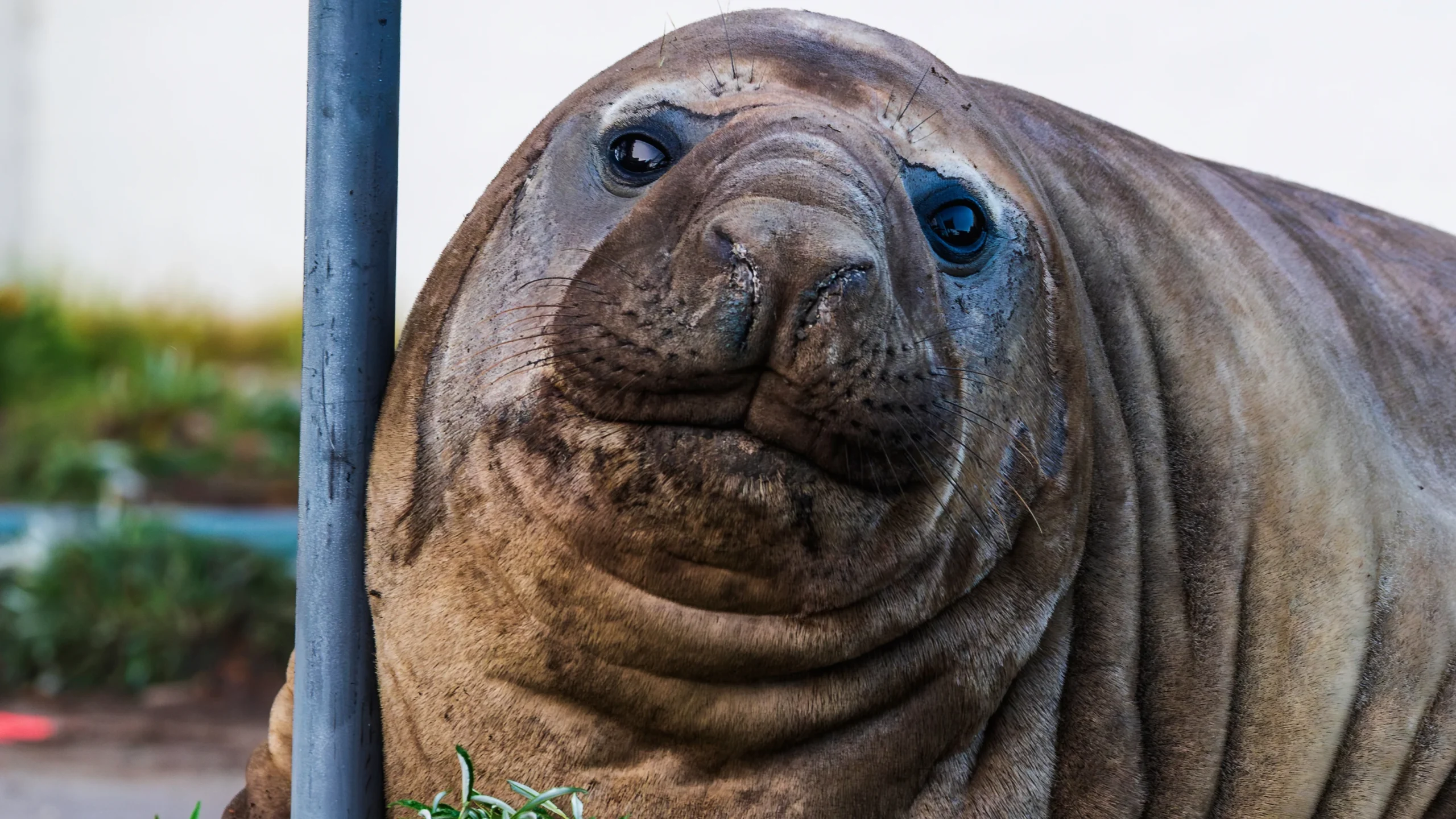
Twice a year, Tasmania welcomes a young elephant seal born on its shores. Neil the Seal returns for moulting season, drawing locals and tourists alike. But his fame has become a double-edged sword, raising urgent questions for the global ecotourism sector about how to manage human-wildlife interactions in the age of Instagram.
Kris Carlyon of the Tasmanian Department of Natural Resources and Environment told local media: “Neil’s fame is a bit of a double-edged sword. We have had some pretty silly behavior, instances with people carrying their small babies up close to him and simply trying to get that shot for Instagram.” Authorities now urge a 20-metre distance from Neil, and 50 metres for those with dogs.
When Fame Turns Tourism Into Trouble
The risks are not hypothetical. In Norway, the walrus Freya became a tourism sensation but was euthanised after crowds ignored safety warnings, creating an unmanageable risk. In Thailand, an intruder entered the enclosure of pygmy hippopotamus Moo Deng at Khao Kheow Open Zoo, startling the animal and endangering himself. These incidents underscore a critical challenge: if the ecotourism sector fails to self-regulate, conservationists may be forced into intrusive interventions—relocations or even lethal action—to protect the public.
Experts fear that humans could “love Neil to death.” When wild animals become overly habituated to crowds, the animal ultimately pays the price. The same dynamic threatens rare species worldwide, from high-speed rail corridors that fragment habitats to cruise itineraries that overwhelm fragile ecosystems.
Tasmania’s state government has issued guidelines that include a surprising prohibition: no geo-tagging. As authorities explain: “As tempting as sharing Neil’s location on social media may be, it’s essential to refrain from doing so. Large crowds can cause stress to this wild animal and may necessitate interventions that could disrupt his natural behaviour. Protecting Neil means allowing him to move freely and without disturbance.”
This rule applies globally wherever endemic species may be encountered. The ecotourism sector must shift away from instant, location-drop tourism toward operational models centred on strict privacy and delayed reporting. Operators like Fairmont Hotels & Resorts, which recently launched a global renovation program across 20% of its portfolio, could integrate wildlife-viewing protocols into their sustainability frameworks.
Wildlife managers insist that a truly ethical encounter means observing an animal on its own terms, not crowding it into a space where it feels threatened. Keeping a safe distance ensures the safety and wellbeing of all parties—humans and animals alike.
Tasmania’s tourism and environmental officials offer a final word: “Simple actions, such as maintaining a respectful distance and controlling pets, make a big difference in preserving this unique ecosystem.” For travel professionals—from airline executives planning routes to hoteliers designing guest experiences—the lesson is clear: ecotourism’s future depends on discipline, not just discovery.