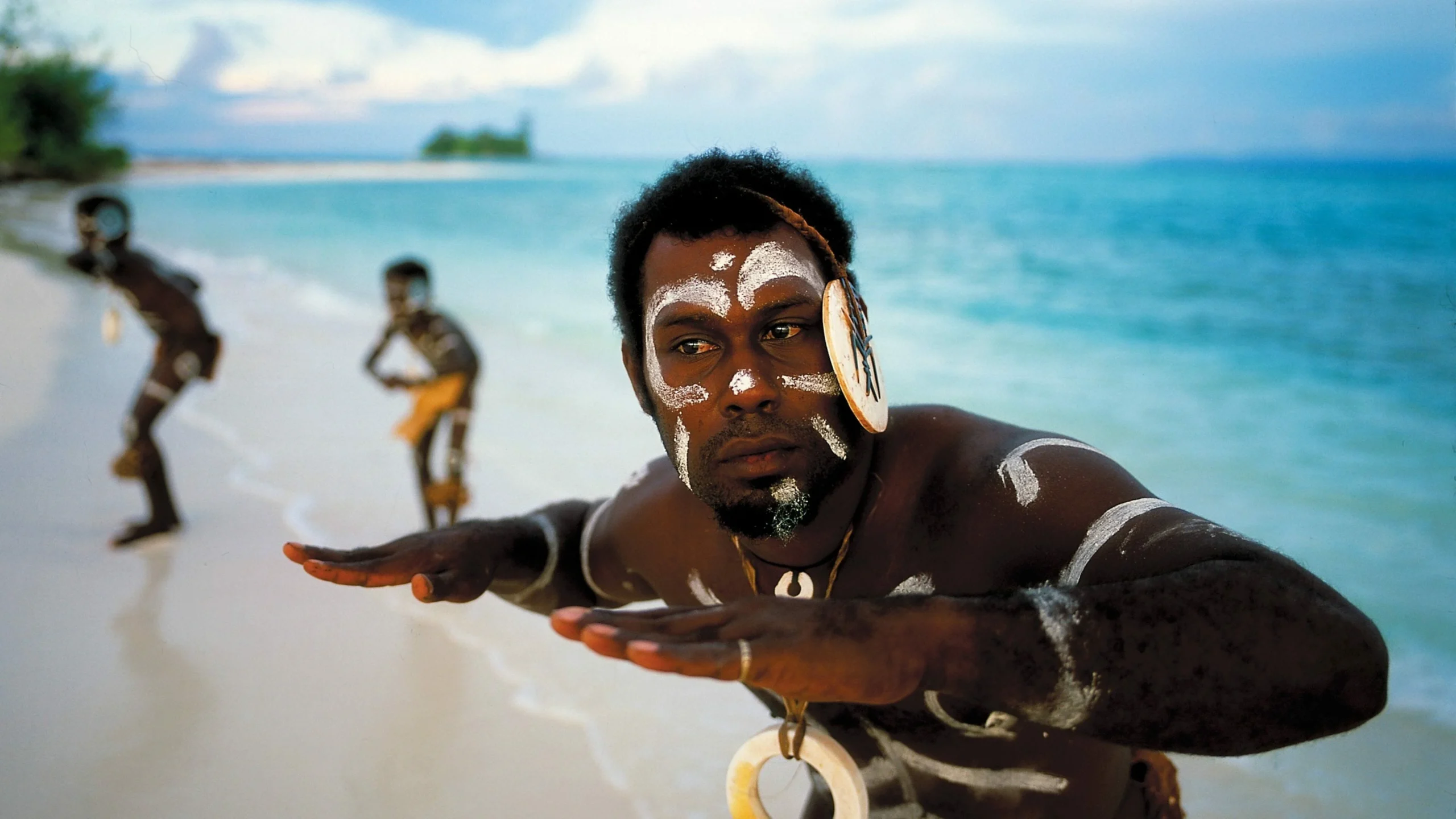
The Solomon Islands is making a strategic pivot toward niche tourism, capitalizing on a growing global demand for uncrowded, ecologically intact destinations. As travelers increasingly seek alternatives to overcrowded hubs like Bali, Phuket, and Boracay, this South Pacific archipelago of nearly 1,000 islands is positioning itself as a premium option for discerning visitors.
According to tourism officials, the country is deliberately avoiding the mass-market resort model. Instead, it is targeting high-value niche segments including world-class diving, remote sport fishing, elite bird watching, and uncrowded surf breaks. The strategy aligns with broader industry trends: a recent report from Virtuoso and Off The Map highlighted growing interest in slow travel and authentic experiences among luxury travelers.
Pristine Environments as a Core Asset
The Solomon Islands' primary draw is its untouched natural environment. The country boasts the world's largest saltwater lagoon and thousands of endemic species, offering unparalleled marine biodiversity. Its diving scene remains a major attraction, with vibrant coral reefs and iconic World War II shipwrecks such as those at Bonegi Beach drawing affluent niche audiences.
"The shift we are witnessing in the Pacific is structural," said a tourism expert familiar with the region. "Discerning travelers are willing to pay a premium for isolation and ecological integrity. The Solomon Islands provide exactly what the post-mass-tourism market is demanding."
This focus on sustainability has also enabled a transition away from environmentally harmful industries like logging. Local communities are increasingly turning to premium community-focused tourism, which generates revenue while preserving cultural and natural heritage.
Infrastructure Challenges and Government Response
Despite its natural advantages, the Solomon Islands faces significant infrastructure hurdles. Up to 90 percent of land is communally owned, complicating resort development. Many airports and roads are outdated, and the hospitality sector lags behind global service standards.
The government has been proactive in addressing these barriers. The landmark Tina River Hydropower Project is advancing clean energy transitions, while comprehensive modernization initiatives are planned for domestic airports and thoroughfares. These efforts are critical for improving connectivity and service quality, particularly for luxury travelers.
Air access is also being enhanced. Solomon Airlines and Philippine Airlines recently launched an interline partnership with through check-in, improving connectivity for international visitors. Such partnerships are essential for a destination that relies on niche, long-haul travelers.
Policy Framework and Sustainability
Under its National Tourism Development Policy, the Solomon Islands has institutionalized strict environmental frameworks. These include the elimination of single-use plastics and building climate resilience for local operators. The government is also working to decentralize tourism, ensuring revenues flow directly into rural education, healthcare, and cultural preservation.
This approach aims to build a resilient, authentic product that avoids the cultural fatigue seen in other popular tropical destinations. By focusing on high-value, low-impact tourism, the Solomon Islands hopes to attract travelers who prioritize ecological integrity and cultural authenticity over mass-market convenience.
For travel professionals, the Solomon Islands represents a growing opportunity in the niche tourism segment. As more travelers seek alternatives to overcrowded hubs, destinations that offer pristine environments and authentic experiences are well-positioned to capture premium demand. The country's strategic pivot, combined with ongoing infrastructure improvements and strong policy frameworks, makes it a compelling option for tour operators, luxury travel advisors, and destination marketers looking to diversify their offerings.