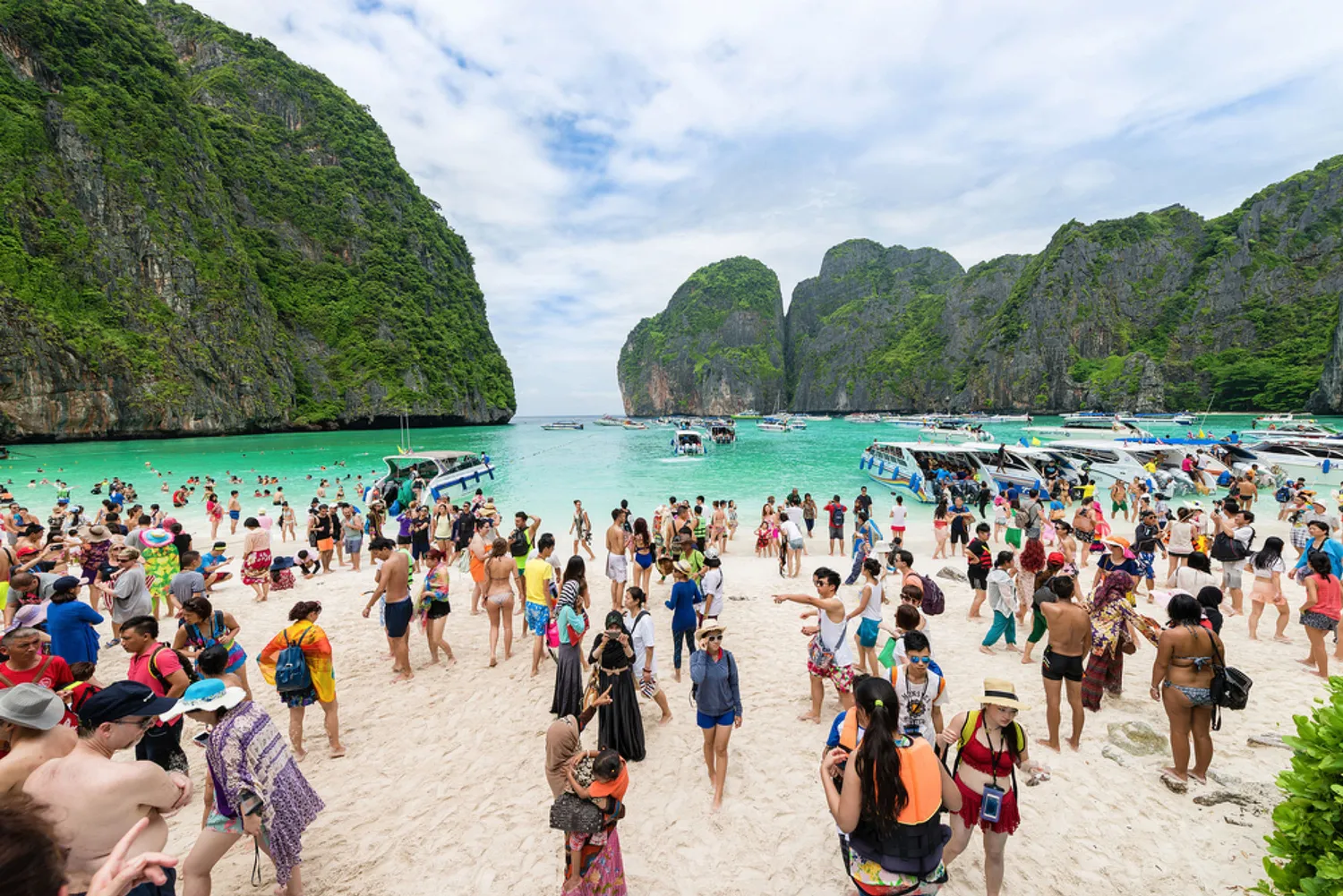
The post-pandemic travel surge has revived a familiar headache for Southeast Asia's most beloved islands: the disruptive tourist. From Bali to Phuket to Siargao, local authorities are no longer tolerating behavior that damages sacred sites, strains infrastructure, and erodes community goodwill. Instead, they are rolling out a coordinated strategy that blends enforcement, economic filters, and environmental limits to reshape tourism for the long term.
Zero tolerance: deportations and road crackdowns
For years, these islands were seen as lawless playgrounds, but that era is ending. Bali has introduced a formal tourist conduct guide that explicitly bans disrespectful acts at temples and holy mountains. More importantly, immigration departments across the region are actively deporting visitors who break laws, work illegally on tourist visas, or flout local customs. In Bali and Phuket, police are also targeting dangerous scooter rentals, checking helmets and international driving permits to reduce accidents and ease pressure on emergency services.
From quantity to quality: levies and financial thresholds
Beyond physical enforcement, destinations are using pricing to attract a different kind of traveler. Bali's US$10 visitor levy, earmarked for environmental preservation and cultural protection, is a key example. Similar levies are being considered in Phuket to fund waste management and water systems. Discussions are also underway to raise visa fees and require proof of sufficient funds, ensuring visitors can support themselves without resorting to illegal work.
Protecting ecosystems with caps and closures
Thailand's rehabilitation of Maya Bay and the Philippines' temporary closure of Boracay have become blueprints. Siargao is now considering periodic closures of lagoons and surf breaks to let marine life regenerate. Daily visitor caps and limited boat permits are helping protect reefs and beaches. Meanwhile, tourism boards are promoting satellite destinations—like Phang Nga instead of Phuket, or Lombok and East Java instead of Bali—to spread visitor footfall and reduce congestion.
Technology and governance
Underpinning these measures is modern technology. Mandatory registration systems and tracking dashboards allow municipalities to monitor crowd density in real time, enabling proactive crowd control. Centralized digital tracking for accommodation and vehicle rentals is also curbing illegal, unregistered businesses, ensuring that visitor spending contributes to local tax revenues and infrastructure maintenance.
These shifts are not without challenges. As Southeast Asia's regenerative tourism push stalls, some critics argue that arrival-count focus remains a barrier. Yet the region's move toward quality over quantity is gaining momentum, with hoteliers and tour operators adapting to a more discerning clientele. For instance, Preferred Hotels' recent Bali additions reflect a growing emphasis on upscale, experience-driven stays.
For travel professionals, the message is clear: the era of unrestricted mass tourism is over. Destinations are prioritizing sustainability and cultural respect, and those who adapt will thrive. As one Bali official put it, "We welcome visitors, but they must respect our island as we respect them."
By combining strict enforcement, strategic pricing, environmental caps, and smart technology, Southeast Asia is rewriting its tourism playbook—ensuring that its world-famous islands remain viable for generations to come.