As winter travel demand shifts toward warmer escapes and wellness-focused itineraries, UNESCO's Great Spa Towns of Europe are positioning themselves as year-round destinations that combine thermal bathing with cultural heritage. The transnational serial site, inscribed in 2021, comprises 11 historic spa towns across seven countries, each still operating as a working spa destination today.
For travel professionals, the network offers a ready-made product: authentic European spa traditions from the 18th to 20th centuries, packaged for modern wellness travelers. The towns span the UK, Germany, Austria, Belgium, Czechia, France, and Italy, and each retains its original thermal infrastructure, historic bathhouses, and therapeutic landscapes.
Winter appeal beyond the pool
The 'cure' experience in these towns extends far beyond bathing. Visitors can drink mineral-rich waters, walk through landscaped parks, and engage in social rituals that were once prescribed by physicians. This holistic approach to wellness is now celebrated as intangible cultural heritage, giving tour operators and hoteliers a distinctive narrative for winter packages.
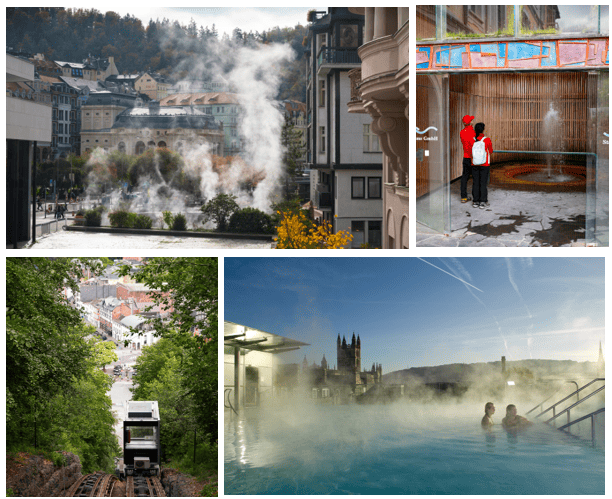
In the UK, the City of Bath remains a flagship, with the Thermae Bath Spa offering a rooftop pool with views over the Georgian city. The Roman Baths, a separate attraction, draw history-focused travelers. In Germany, Bad Ems operates the Emser Thermae, featuring multiple thermal pools and traditional salt inhalation rooms—a niche product that appeals to respiratory wellness clients.
Karlovy Vary in Czechia is perhaps the most iconic, with its hot geysers and the Saunia Thermal Resort, which provides panoramic views of the town's colonnades. Meanwhile, Spa in Belgium—the etymological origin of the word 'spa'—offers the Thermes de Spa, known for iron-rich waters that have been used since the 16th century.
For agents and operators, these destinations can be bundled with cultural tours, gastronomy, and luxury accommodation. The UNESCO designation adds a layer of prestige that resonates with heritage-minded travelers, a segment that continues to grow in the luxury and experiential travel sectors.
The winter season is particularly attractive because the thermal waters provide natural warmth, and the towns' architecture—often featuring grand hotels and colonnades—offers a sheltered environment. This aligns with broader trends in UK winter demand, where city breaks and sun escapes lead, but wellness and heritage are emerging as complementary drivers.
Hoteliers in these towns are adapting their offerings to cater to international visitors. For example, the Hard Rock Hotel Davos is not part of the UNESCO network, but its December 2026 reopening with expanded winter offerings illustrates the broader trend of alpine and spa destinations investing in year-round appeal.
For cruise lines, the Great Spa Towns could be integrated into European river cruise itineraries, particularly on the Rhine and Danube, which pass near several of these towns. The Royal Caribbean's year-round Europe sailings for 2028-29 signal growing confidence in the region's off-peak appeal, and spa towns could serve as shore excursion highlights.
Travel technology vendors can also find opportunities. Booking platforms that specialize in wellness travel, such as those used by digital operators in Europe's hotel landscape, can highlight these destinations' unique thermal offerings. Dynamic packaging tools could combine spa entries, hotel stays, and cultural tours into single bookings.
For destination marketing organizations, the UNESCO brand is a powerful tool. The Great Spa Towns of Europe have a joint website and promotional campaigns, but there is room for more targeted B2B marketing to travel agents and tour operators. Educational webinars and familiarization trips could help agents sell these destinations with confidence.
As the travel industry looks to diversify winter product beyond ski and sun, the Great Spa Towns offer a compelling alternative. They provide a warm, heritage-rich escape that appeals to both leisure and MICE segments, with meeting spaces often housed in historic hotels. The combination of thermal wellness, cultural immersion, and architectural grandeur is a formula that resonates with today's experience-driven travelers.
In summary, the Great Spa Towns of Europe are not just a nostalgic nod to the past; they are a forward-looking product for winter travel. With the right packaging and promotion, they can become a staple in the portfolios of agents and operators serving the wellness and heritage markets.