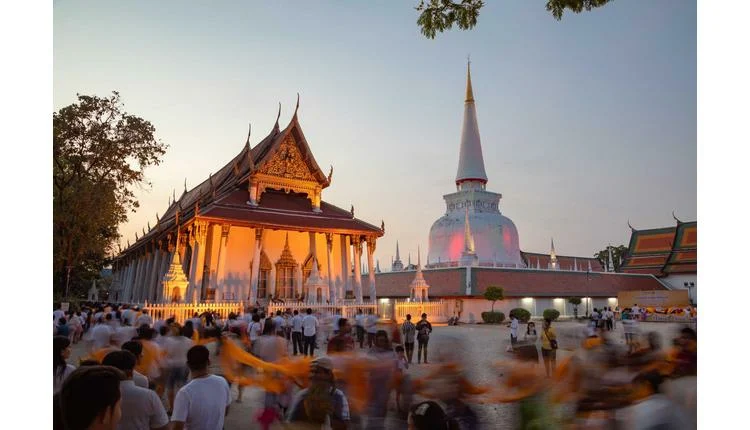
The Tourism Authority of Thailand (TAT) is capitalizing on the recent UNESCO World Heritage inscription of Wat Phra Mahathat Woramahawihan in Nakhon Si Thammarat with a dedicated promotional campaign. The temple, a major Buddhist pilgrimage site in southern Thailand, was recognized during the 48th session of the World Heritage Committee held in Busan, Republic of Korea.
TAT has launched "The Twelve Sacred Discoveries Nakhon Si Thammarat: A Journey to World Heritage," a year-long initiative designed to draw both domestic and international visitors to the province. The campaign underscores the site's historical and spiritual importance while aiming to spread tourism benefits beyond Bangkok and the traditional beach resorts.
Heritage recognition and significance
Founded in the eighth century, Wat Phra Mahathat Woramahawihan was inscribed under UNESCO criteria (ii) and (vi) for its Outstanding Universal Value. The temple complex reflects a fusion of religious and architectural influences from northeastern India and Sri Lanka, and it has served as a center of Theravada Buddhism for centuries. Its influence extends across Thailand and Southeast Asia, shaping local traditions and practices.
TAT Governor Thapanee Kiatphaibool emphasized the strategic importance of the listing. "Our focus is to create lasting value through responsible tourism, strengthen local participation and ensure that the significance of Wat Phra Mahathat Woramahawihan is understood, respected and sustained for generations to come," she said.
The campaign invites travelers to explore the temple's Buddhist heritage, ancient civilization, and living traditions. Activities include cultural performances, merit-making ceremonies, and exhibitions that highlight the site's role in regional history. A commemorative photo booth will be available until 30 July, giving visitors a chance to capture their visit to Thailand's newest World Heritage site.
Nakhon Si Thammarat, already known for its historic old town and traditional crafts, is expected to see increased visitor numbers as a result of the UNESCO designation. The province is accessible via Nakhon Si Thammarat Airport, with connections from Bangkok and other regional hubs, and is a growing stop on southern Thailand cultural itineraries.
The TAT campaign aligns with broader efforts to promote secondary destinations and distribute tourism revenue more evenly across the country. Similar strategies have been employed following other UNESCO listings, such as the recent recognition of Japan's Kii Peninsula sites, which boosted regional travel.
For travel professionals, the campaign presents opportunities to package Nakhon Si Thammarat with nearby attractions such as Khao Luang National Park and the Gulf of Thailand beaches. Tour operators and agents can leverage the UNESCO status to attract culture-focused travelers, while hoteliers in the region may see increased demand.
TAT's initiative also emphasizes sustainable tourism practices, encouraging visitors to respect the sacred nature of the site and support local communities. The authority plans to work with local stakeholders to ensure that tourism development does not compromise the temple's integrity.
As Thailand continues to recover its international tourism numbers, the UNESCO listing provides a fresh draw for the southern region. The campaign is set to run through the year, with periodic events and promotions tied to Buddhist holidays and local festivals.