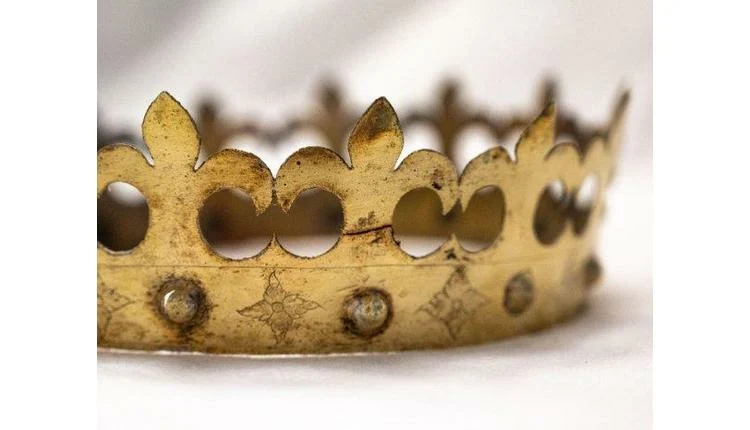
Vilnius is positioning itself as a must-visit destination for cultural tourism with the unveiling of 16th-century royal artefacts from the Lithuanian-Polish Jagiellon dynasty. The treasures—including burial crowns, a sceptre, and an orb—were concealed in the crypts of Vilnius Cathedral at the outbreak of World War II and only rediscovered in 2024. They will be displayed at the Vilnius Church Heritage Museum starting 9 July, marking the first public viewing in nearly a century.
Exhibition Details and Historical Context
The exhibition, titled „Paslėpti viduje“ („Hidden Within“), connects the 2024 excavation with earlier discoveries from 1931 and 1985. It traces the artefacts' concealment, loss, and eventual recovery, offering travel professionals a compelling new attraction for itineraries focusing on Baltic and Central European history. The regalia include the funeral crowns of King Alexander Jagiellon, Queen Barbara Radziwiłł, and Queen Elizabeth of Austria, along with a sceptre and orb originally uncovered in 1931 but hidden again as war approached.
Prof. Andrzej Betlej, Director of the Wawel Royal Castle in Kraków, Poland, underscored the find's international significance. „Most of Poland's royal regalia were lost in the 18th century,“ he said. „Their rediscovery is a symbolic restoration of the memory of one of the most important periods in the history of Poland and Lithuania.“ This narrative resonates strongly with tour operators and destination marketers looking to deepen cultural offerings in the region.
Despite decades in a humid crypt environment, conservation efforts have restored the artefacts for public viewing. Dr. Giedrė Mickūnaitė, curator of the exhibition, noted the rarity of personal royal regalia, emphasizing their historical and artistic value. „These are not just symbols of power; they are intimate objects that connect us directly to the individuals who wore them,“ she said.
Implications for Travel Industry
For travel professionals, this exhibition represents a significant new cultural asset in Vilnius, a city already gaining traction as a European destination. The display complements existing attractions such as the Vilnius Cathedral and the Church Heritage Museum, and can be integrated into broader Baltic itineraries. Airlines serving Vilnius Airport (VNO)—including Ryanair, Wizz Air, and airBaltic—may see increased demand from history-focused travelers. Hoteliers such as Radisson Blu and Ibis in the city center could benefit from extended stays.
The exhibition also ties into a larger research programme launching in May 2026, which aims to uncover more of the cathedral's hidden legacy. This ongoing project offers a multi-year hook for repeat visitation and media coverage, a boon for destination marketing organizations like Go Vilnius and the Lithuanian State Department of Tourism.
For agents and tour operators, the „Hidden Within“ exhibition provides a unique selling point for cultural tours. It can be paired with visits to the Palace of the Grand Dukes of Lithuania or combined with trips to Kraków's Wawel Castle, creating a cross-border Jagiellon heritage itinerary. The story also aligns with growing interest in „hidden history“ and post-communist rediscovery narratives popular among North American and Western European travelers.
Travel technology vendors may find opportunities in augmented reality or digital storytelling apps for the exhibition, enhancing visitor engagement. Meanwhile, MICE planners could leverage the cathedral's crypts and museum spaces for exclusive evening events, adding a layer of exclusivity to corporate gatherings in Vilnius.
As the travel industry continues to recover and seek authentic, educational experiences, Vilnius's royal insignia offer a tangible link to a shared dynastic past that shaped Central and Eastern Europe. The exhibition runs through 2026, with the research programme extending well beyond, ensuring sustained relevance for the destination.