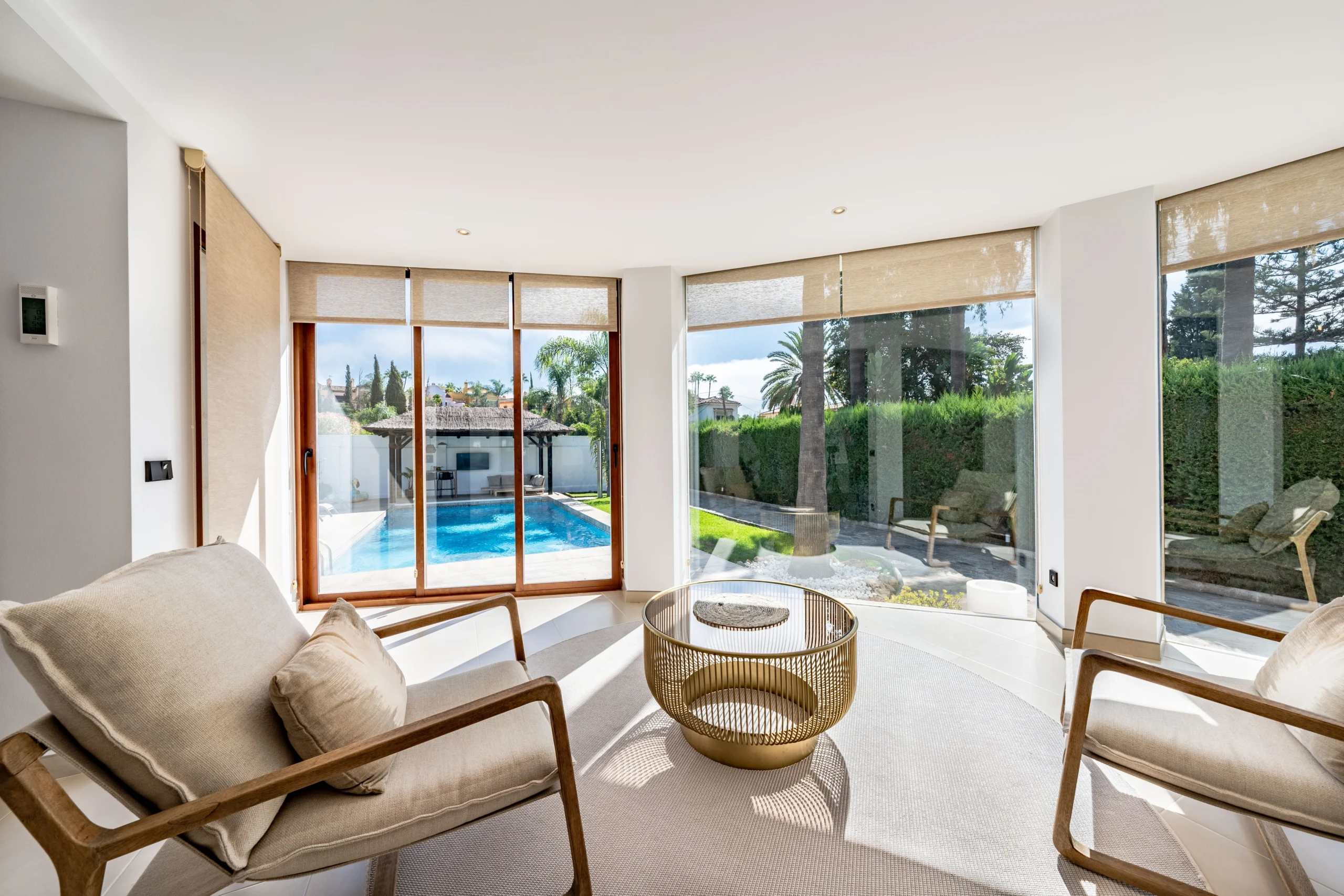
Visit Skåne, the regional tourism board for southern Sweden, is turning silence into a selling point with its Stay Quiet 2026 initiative. From 29 September to 16 October, travellers can book a free stay in a beachfront cabin on Skåne's eastern coast—provided they keep noise levels at or below 45 decibels, roughly the volume of a soft whisper. A decibel meter installed in the cabin will monitor compliance, and exceeding the limit ends the stay early.
The campaign is a playful yet pointed response to a serious global issue: environmental noise is the second-largest environmental health risk, according to the World Health Organisation. For travel professionals, it underscores a growing consumer demand for quiet, restorative experiences—a trend that hotels, resorts, and tour operators are increasingly tapping into.
Silence as a premium product
Visit Skåne's initiative aligns with broader shifts in wellness tourism, where travellers are seeking escapes from urban noise and digital overload. The region's Map of Quietude, a digital guide to its most serene spots, includes soundscapes and ranks the top five quietest sanctuaries. Among them are Dörröds fälad and Håkull, both averaging 37 decibels—quieter than a typical library.
Sweden's abundance of quiet spaces is notable: the country has roughly ten times more quiet areas than Germany, according to Visit Skåne. This natural asset is being positioned as a competitive advantage in the Nordic tourism market, which has seen rising interest in slow travel and nature-based retreats.
Josefine Nordgren, Brand Manager at Visit Skåne, framed the campaign's purpose: "People need less noise and more presence." That sentiment resonates with a growing body of research. A 2025 study in the Journal of Environmental Psychology found that exposure to natural environments can restore cognitive functions such as working memory and attentional control, with optimal recovery after just 30 minutes.
For hoteliers and resort operators, the Stay Quiet model offers a template for differentiating properties through sensory experiences. Similar concepts have emerged in luxury retreats, where technology is being used to enhance guest stays while preserving a sense of calm. The challenge lies in balancing modern amenities with the very quiet that guests seek.
Visit Skåne's approach also highlights the role of tourism boards in shaping destination narratives. By promoting silence as a resource, the region is attracting a niche but growing segment of travellers who prioritise mental well-being. For agents and tour operators, this presents an opportunity to package quiet destinations as premium wellness offerings, much like the wellness retreats now emerging in Mexico's Holbox.
The free-stay model, while limited in scale, generates significant media attention and positions Skåne as a leader in mindful travel. It also complements Sweden's broader tourism strategy, which emphasises sustainability and nature-based experiences. As global travel rebounds, destinations that offer genuine respite from noise—whether on the Baltic coast or in the mountains—are likely to gain traction.
For travel professionals, the takeaway is clear: silence is not just an absence of sound but a tangible product that can be marketed, measured, and monetised. Whether through decibel limits, quiet zones, or dedicated wellness programmes, the industry is beginning to recognise that less noise can mean more value.