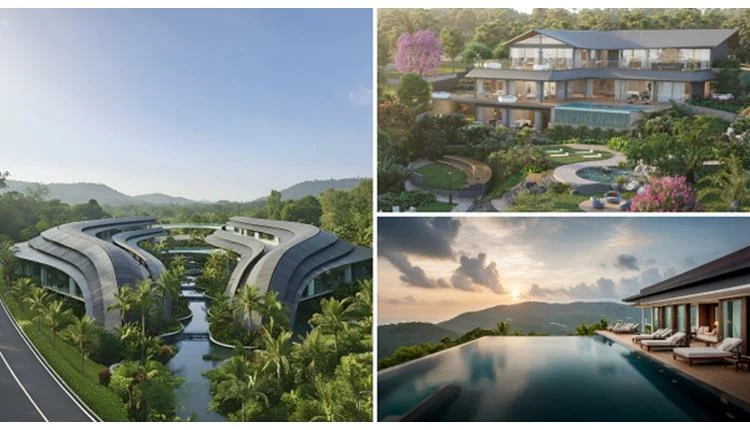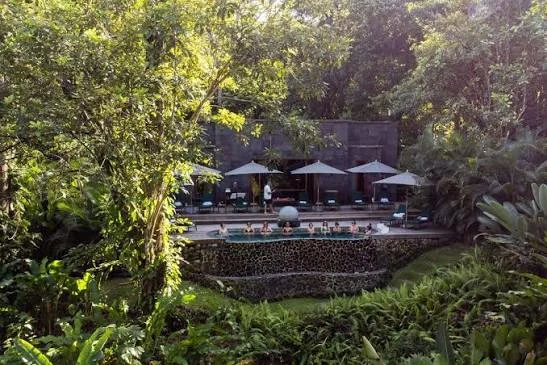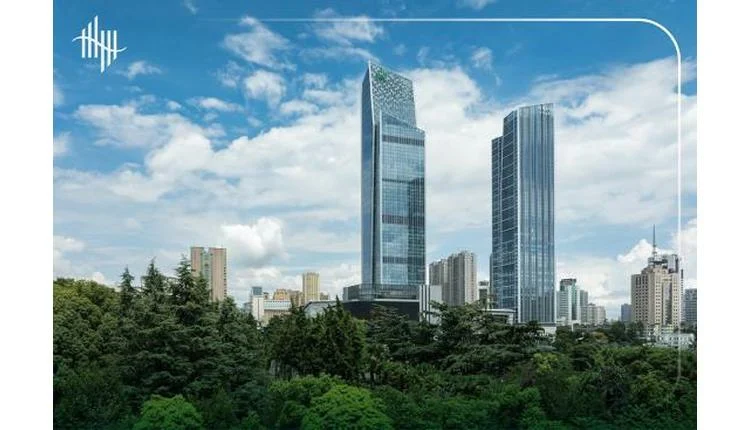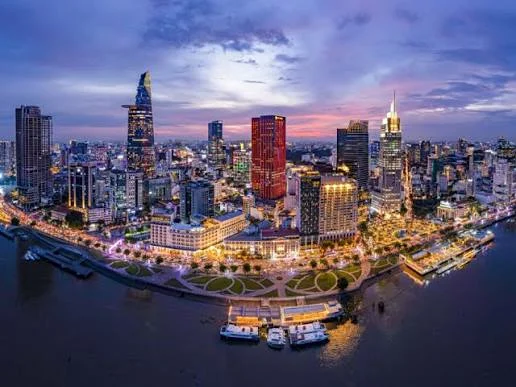
Southeast Asia's luxury real estate market is undergoing a significant transformation, moving away from ostentatious displays of wealth toward a more thoughtful, wellness-driven approach. Developers across the region are rethinking high-end residential design to meet the demands of a new generation of high-net-worth individuals (HNWIs) who prioritize functional living, holistic health, and long-term sustainability.
Branded residences lead the shift
One of the most notable trends is the rise of branded residences, which now account for more than half of the region's active luxury pipeline. Buyers are increasingly drawn to turnkey investments backed by premier hospitality names such as Four Seasons and Ritz-Carlton, which offer both prestige and hassle-free management. Beyond traditional hotel brands, partnerships with elite automotive manufacturers and high-fashion houses are creating niche opportunities for buyers seeking tailored aesthetic exclusivity.
This shift is not just about brand recognition; it reflects a deeper change in what constitutes a prime address. Location remains important, but it is now complemented by how effectively a development nurtures physical and mental well-being. This has led to ambitious projects like Malaysia's RM11 billion KL Wellness City, which integrates luxury residences with tertiary healthcare, therapeutic gardens, and dedicated wellness facilities.
Designing for multigenerational living
Developers are also responding to the needs of extended families with multigenerational layouts that feature biophilic design, wheelchair-accessible flow, and private green retreats. These spaces are designed to foster intergenerational harmony, a growing priority for wealthy Asian families who often live in multi-generational households.
Wellness is not just a buzzword; it is becoming a core design principle. For instance, Thailand's tourism authority has been promoting wellness travel, and this ethos is now influencing residential developments across the region.
Future-proofing against climate risk
Sustainability has evolved from a marketing narrative into an indispensable asset class. Wealthy buyers are actively demanding green-certified structures built with energy-efficient systems, natural temperature regulation, and deep integration with surrounding ecosystems. This is not just about environmental responsibility; it is about protecting asset values against climate risk.
Proptech infrastructure is also moving beyond novelty gadgets. Developers are embedding deep structural automation into elite residences, including biometric elevators, robotic parking, and robust digital security systems. Additionally, digital platforms offering fractional ownership are lowering traditional barriers, enabling global investors to acquire stakes in prime luxury assets with greater ease.
Regional market dynamics
Across Southeast Asia, key markets are reflecting these changing dynamics. Singapore continues to anchor regional stability as the premier financial hub, while Phuket dominates resort living with booming demand for private beachfront villas. Malaysia and Vietnam present compelling growth opportunities, propelled by strategic developments like the Johor-Singapore Special Economic Zone.
These trends are not isolated to Southeast Asia. Similar wellness-focused developments are emerging globally, such as Rosewood AMAALA in Saudi Arabia and Kerala's wellness centre, which blends clinical diagnostics with Ayurveda. The convergence of hospitality and wellness is a global phenomenon, and Southeast Asia is at the forefront.
As the regional luxury landscape continues to mature, one truth becomes clear: true opulence is no longer about standing tall; it is about living well. For travel professionals, this shift presents new opportunities in destination marketing, hospitality partnerships, and wellness tourism.