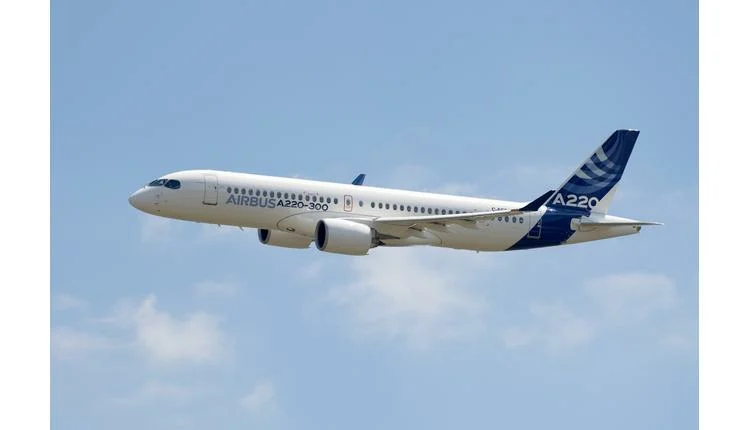
Airbus is expanding its Asia-Pacific training footprint with the addition of an A220 full-flight simulator (FFS) at the Airbus Asia Training Centre (AATC) in Singapore, slated to become operational by the fourth quarter of 2027. The announcement, made at the Asia Pacific Aviation Training Summit 2026 in Bangkok, underscores the manufacturer's commitment to supporting the growing A220 fleet across the region.
The AATC, a joint venture between Airbus and Singapore Airlines, will host the new simulator at its Seletar Aerospace Park campus. The facility already ranks among the largest flight crew training centres in the Airbus network, offering instruction on a range of Airbus aircraft types. The addition of the A220 FFS will enable airlines operating the type to access high-quality training without needing to send crews to distant locations.
Strategic partnership for A220 training
The deployment will be carried out in collaboration with Flight Training Alliance (FTA), the Airbus Authorised Training Provider for the A220. FTA, a joint venture between CAE and Lufthansa Aviation Training, will oversee the simulator installation and technical management, while AATC will handle day-to-day operations and training delivery. This division of responsibilities leverages FTA's expertise in A220 training and AATC's established infrastructure in Singapore.
Silvia Meloni, General Manager of AATC, highlighted the strategic importance of the move: "Establishing A220 training capabilities in the region is a strategic enabler for Airbus's growth footprint in Asia Pacific." She added that the simulator will give airline operators convenient access to world-class training, facilitating the safe and efficient integration of the A220 fleet.
The A220, known for its long range and lower operating costs, is increasingly seen as a key aircraft for expanding connectivity beyond traditional megacities. With more than 532 A220s delivered globally and over 1,100 orders on the books, the type is gaining traction among carriers in Asia-Pacific, including Singapore Airlines' regional arm, which operates the A220 on regional routes.
For travel industry professionals, the expansion of A220 training capacity in Singapore is a positive signal for the region's aviation growth. It also aligns with broader trends in the region, such as Singapore's tourism strategy shifting to yield and the surge in premium travel bookings seen in the first half of the year. The availability of local training will reduce downtime for airlines and support the efficient deployment of A220 fleets.
The move also complements other training expansions in the region. For instance, United's pilot training expansion in Denver reflects a global trend toward investing in aviation training infrastructure. Similarly, the new simulator at AATC will help meet the rising demand for skilled pilots and maintenance personnel in Asia-Pacific.
As the A220 continues to gain market share, the need for qualified training providers becomes more critical. The partnership between Airbus, FTA, and AATC ensures that airlines in the region have access to consistent, high-standard training that meets regulatory requirements and operational needs.
With the simulator expected to be operational by late 2027, airlines planning to introduce or expand A220 operations in Asia-Pacific can begin preparing their training schedules. The investment underscores Airbus's long-term commitment to the region and its confidence in the A220's role in shaping the future of regional air travel.