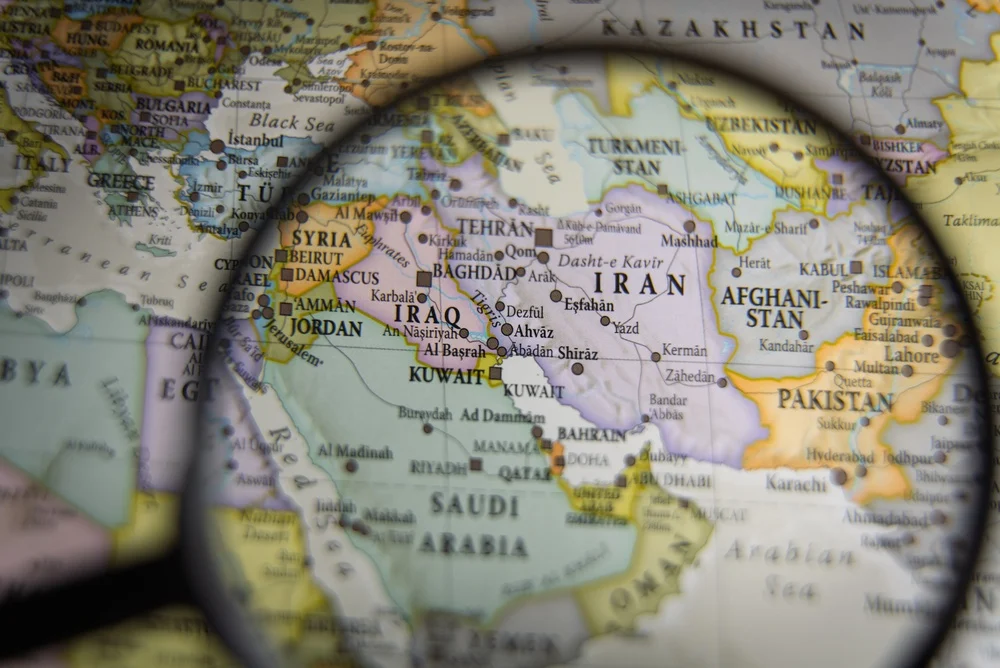
The Australian Government has revised its travel advisories for Bahrain, Israel, Kuwait, Qatar, and the United Arab Emirates, moving from Level 4 "Do Not Travel" to Level 3 "Reconsider your need to travel." This adjustment directly impacts the thousands of Australians who transit through these Middle Eastern hubs each week en route to destinations in Europe, the United Kingdom, India, and Africa.
According to data from the Australian Travel Industry Association (ATIA), more than 150,000 Australians have passed through these airports over the past six weeks alone. The previous Level 4 advisory created significant complications, particularly around travel insurance coverage for brief airside transits, which many carriers and policies refused to honor under a blanket "do not travel" directive.
Industry Advocacy Drives Policy Change
ATIA played a central role in pushing for the revision, working closely with the Department of Foreign Affairs and Trade (DFAT) and the Smartraveller platform. The association argued that the blanket Level 4 warning was disproportionate for passengers who were only changing planes and never leaving the secure transit zone.
ATIA CEO Dean Long welcomed the change, stating: "This is a sensible and welcome adjustment, and one ATIA has been seeking for some time. For many Australians, these hubs are the connecting points that get them to the UK, Europe, India, and Africa." He emphasized the need for Smartraveller's advice to remain proportionate and current, reflecting real-world conditions rather than broad-brush assessments.
The new Level 3 status still advises against non-essential travel, but it removes the most restrictive barriers. Airlines such as Emirates, Qatar Airways, and Etihad—which operate extensive networks through Dubai, Doha, and Abu Dhabi—stand to benefit as Australian travelers regain confidence in booking itineraries that rely on these hubs. Similarly, carriers like Royal Jordanian, which has been bolstering its Amman hub as a gateway for Indian travelers, may see increased demand from Australians connecting through the region.
For travel agents and tour operators, the change simplifies client conversations. Many had been forced to reroute clients or advise against bookings that involved Middle Eastern transits, even when those routes offered the most efficient connections. The revision also eases pressure on the newly unified ATIA and CATO, which now represents a broader cross-section of the Australian travel industry.
Practical Implications for Travel Professionals
Travel professionals should note that while the advisory has been downgraded, it still carries a warning to reconsider the need to travel. Clients should be encouraged to consult Smartraveller.gov.au before booking and to verify that their travel insurance covers their specific route and transit points. ATIA recommends working with an ATIA-accredited travel agent or tour operator to navigate the changes effectively; a directory is available at traveltick.com.au.
The shift also has implications for the broader tourism ecosystem. Australian hotels, which have drawn record foreign investment as capital seeks safe harbor, may see increased demand from travelers who had previously avoided the region. Meanwhile, the Tourism Authority of Thailand's Middle East and Africa Trade Meet 2026 and similar events could benefit from improved travel sentiment.
For cruise lines, the change is less direct but still relevant. Many Australian cruise passengers fly to Middle Eastern ports to join itineraries in the Mediterranean or Indian Ocean. The Celebrity Cruises EOFY sale and other promotions may now be more accessible to clients who were previously hesitant to book flights through the region.
In summary, the Australian Government's decision to lower travel warnings for these five Middle Eastern hubs represents a pragmatic response to industry feedback. It removes a significant barrier for Australian travelers and their advisors, while still maintaining a cautious stance. Travel professionals should update their client advisories and insurance guidance accordingly.