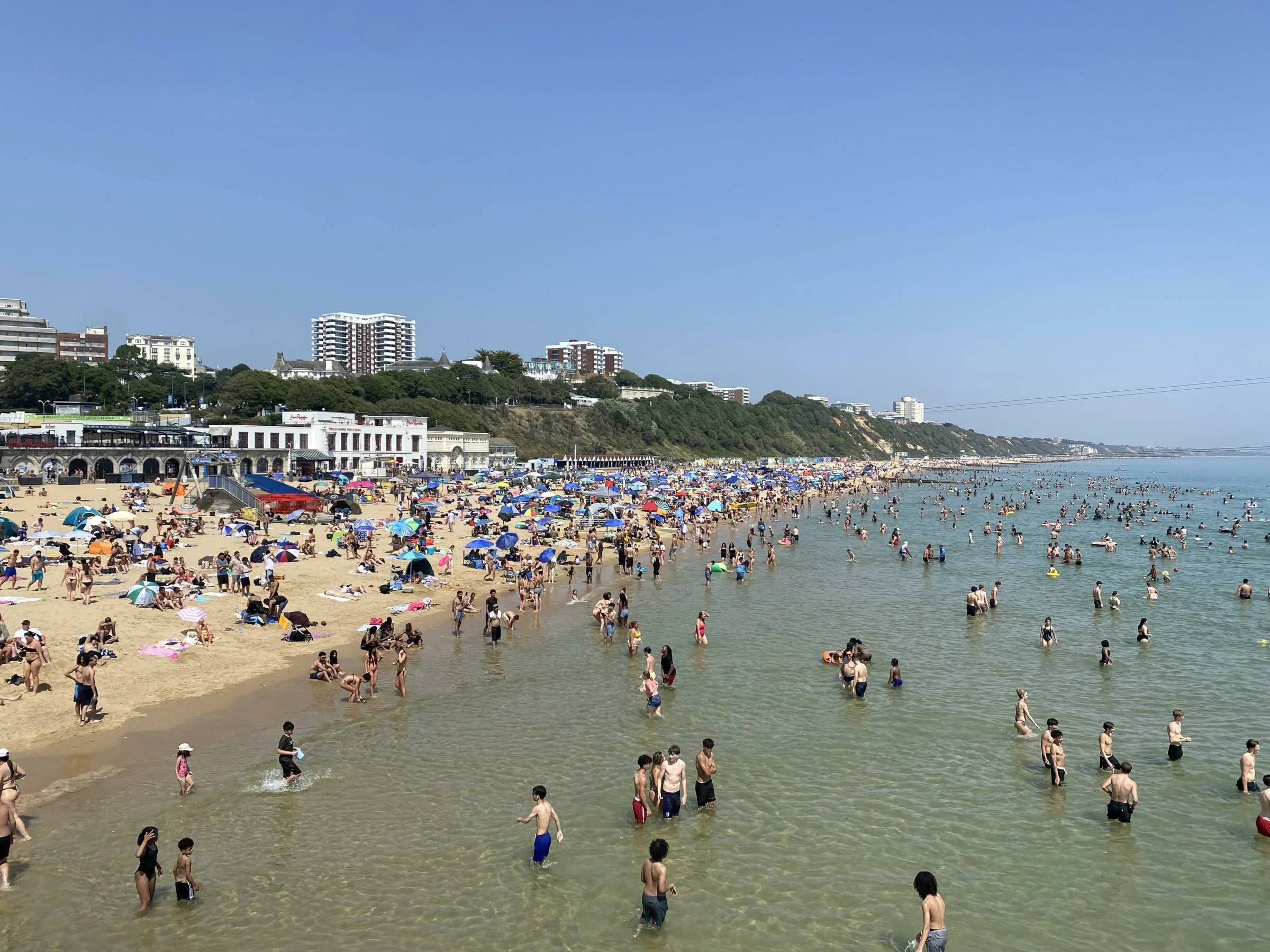
Bournemouth Beach has been crowned the UK's most photographed beach, according to new data from photo curation app Popsa. The Dorset resort achieved a perfect Photo Index Score of 100, narrowly beating Brighton Beach's 99. The rankings, based on millions of visitor photos uploaded in 2025, underscore the enduring appeal of Britain's classic seaside destinations.
Bournemouth's top position is attributed to its seven miles of Blue Flag golden sands and a unique south coast microclimate that offers some of the UK's warmest sea temperatures. The iconic Bournemouth Pier, a 183-metre Victorian landmark, further enhances its photographic allure. In contrast, Brighton's vibrant architecture, distinctive Palace Pier, and iconic beach huts make it a close contender.
Southern and western coasts dominate
Blackpool Beach, with a score of 45, ranks third, showcasing the lasting charm of traditional British seaside resorts. Its expansive sands and attractions like the Tower and Pleasure Beach Resort continue to draw photographers. Camber Sands in East Sussex, known for its tranquil dunes, ranks fourth with a score of 39.
The data reveals a strong presence of southern and western coastlines in the top 10, with Weymouth Beach and Fistral Beach tied for sixth place. Eastbourne Beach and Woolacombe Beach also feature prominently, highlighting the picturesque nature of these regions. This trend aligns with broader shifts in UK domestic tourism, as travellers increasingly seek coastal stays within driving distance of major cities.
For travel professionals, the findings offer a clear signal: classic British seaside resorts remain powerful magnets for both domestic and international visitors. The photographic appeal of these destinations translates directly into social media exposure, which can drive bookings for hotels, tour operators, and destination marketing organisations. Bournemouth's win is particularly notable given the town's ongoing investment in tourism infrastructure, including new Jet2 routes from Bournemouth Airport to Paris, Jersey, and Verona, which are set to boost inbound arrivals.
Liam Houghton, CEO of Popsa, noted, "Bournemouth and Brighton finishing first and second—separated by a single point—tells something fascinating about what British beachgoers are actually responding to." He added that the data reflects a preference for classic seaside aesthetics over more exotic locales, a trend that could influence how destinations market themselves in the coming years.
The ranking also echoes similar findings in other European markets. Earlier this year, Cannes' Plage de la Croisette topped France's most photographed beaches, suggesting that iconic piers, promenades, and beach huts are universal draws. For UK operators, the message is clear: investing in the preservation and promotion of these heritage features can yield tangible returns in visitor engagement.
As the UK travel industry continues to recover, the appeal of domestic coastal destinations remains strong. With UK beaches dominating 2026 European rankings, the competitive landscape is shifting. Mediterranean hotspots face new challenges from British resorts that offer both convenience and photographic charm.
For the complete rankings and methodology, visit Popsa's website. The data provides a useful benchmark for destination marketers and hospitality businesses looking to understand what drives visitor engagement in the digital age.