The collapse of the US-Iran maritime agreement has forced global cruise operators into a structural realignment that goes far beyond temporary itinerary adjustments. With military activity intensifying around the Strait of Hormuz and the Red Sea, the industry is now executing permanent geographical exits from West Asian waters, prioritizing asset protection and balance-sheet stability over short-term revenue.
Complete Withdrawal from Middle East Seasons
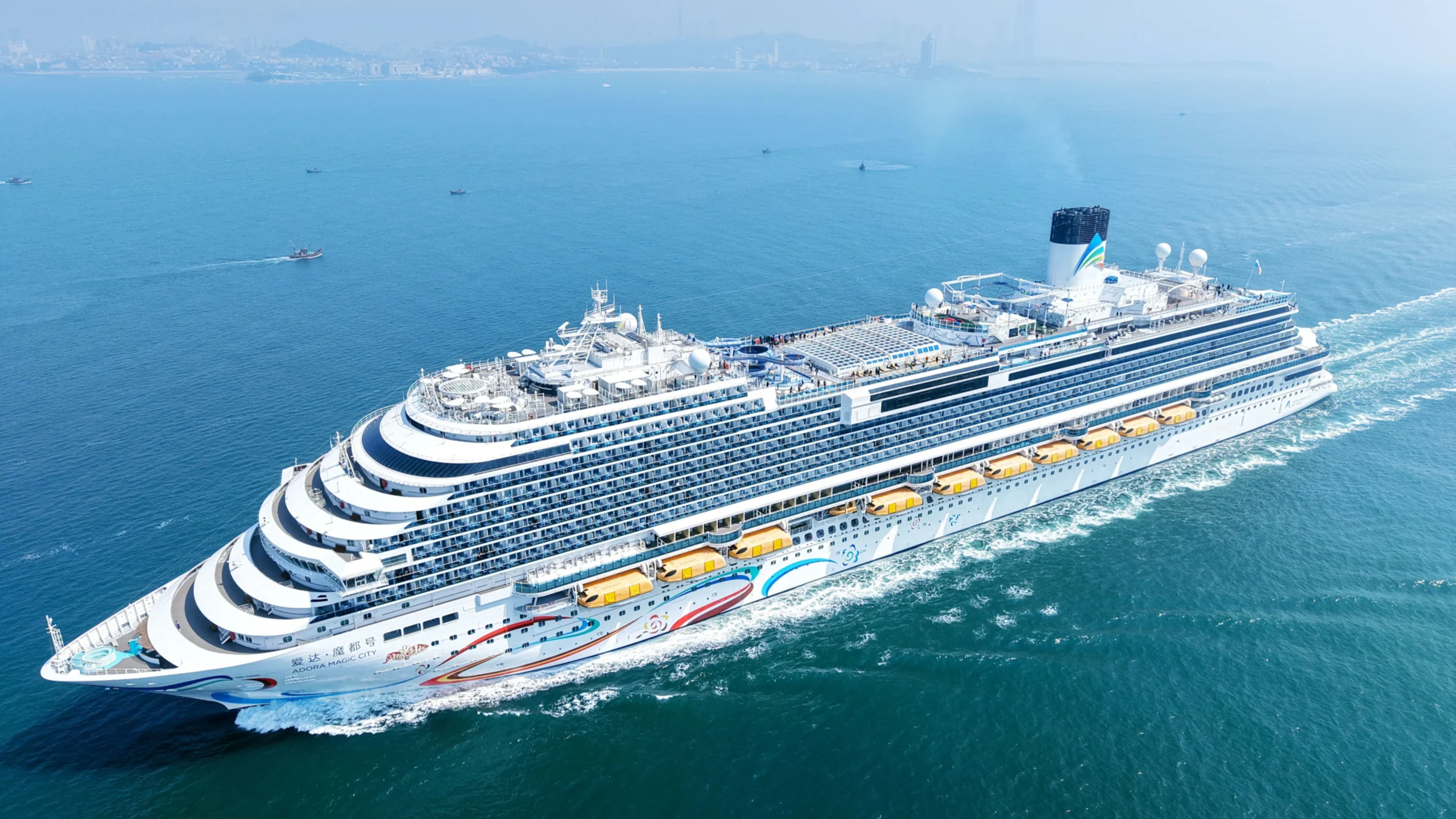
Leading brands including MSC Cruises, Explora Journeys, and Costa Cruises have fully cancelled their 2026–2027 Middle East and Gulf deployment seasons. Vessels originally slated for homeporting in Dubai or Doha are being permanently redeployed to lower-risk winter destinations such as the French Antilles, the Canary Islands, South America, and the Western Mediterranean. This is not a pause; it is a strategic pivot designed to safeguard multi-billion-dollar assets from unpredictable escalation.
River and land programmes have also been affected. Avalon Waterways, Tauck, and AmaWaterways have indefinitely suspended their regional land extensions in Jordan and Dubai-bound river cruise stopovers. As one industry analyst put it, predictability is the ultimate currency in today's geopolitical minefield.
Protecting Assets Through Deadhead Routing
For vessels repositioning between Asia, the Indian Ocean, and Europe, operators are completely bypassing the Suez Canal. Instead, ships are sailing entirely empty—known as "deadhead" routing—around the Cape of Good Hope. This adds 10 to 14 days of transit time but ensures total avoidance of high-risk zones. The extra fuel costs are being passed on through dynamic regional surcharges and higher base ticket pricing globally, a move that echoes the cost pressures seen across aviation, as highlighted in China's Big Three Airlines' recent $1.48B quarterly loss.
To counter sudden airspace closures over Iraq, Iran, and Gulf states, operators are establishing dedicated logistics networks. These include secure chartered flights out of safe hubs like Muscat or European nodes to rapidly repatriate passengers if a port becomes isolated. For mandatory transits, vessels maintain functioning Automated Identification Systems (AIS), coordinate closely with Flag States and the United Kingdom Maritime Trade Operations (UKMTO), and conduct daily security drills.
Financial Pressures and Mitigation Strategies
The collapse of diplomatic efforts has triggered a harsh fiscal reality. War-risk insurance premiums have surged 300% to 400%, while fuel costs from extended routing continue to climb. In response, cruise lines are implementing fleet-wide re-routing away from designated war-risk zones to prevent the collapse of itinerary profit margins. Flexible cancellation policies, seamless alternative region re-bookings, and immediate Future Cruise Credits (FCC) are being deployed to protect upfront capital amid consumer hesitation.
This financial discipline mirrors broader travel-industry trends. For example, Global Hotel Alliance's Q2 revenue growth was driven by loyalty program resilience, while IATA's 2025 data shows premium travel surging despite cost headwinds. The cruise sector's aggressive redeployment and strict financial mitigation demonstrate that adaptability remains its strongest shield against global volatility.
Through these measures, the industry is proving that it can navigate even the most turbulent geopolitical waters—by choosing to sail around them entirely.