The global cruise industry is facing a fresh wave of financial pressure as bunker fuel and marine gas oil prices surge, forcing operators to recalibrate deployments, adjust ticket pricing, and reassess long-term sustainability investments. Fuel remains one of the largest variable costs for maritime operations, and sharp market swings demand rapid structural responses across the sector.
Exposure to this volatility varies sharply by corporate strategy. Royal Caribbean Group and Norwegian Cruise Line Holdings mitigate risk by hedging 50 to 60 percent of their fuel requirements, providing a buffer against price spikes. In contrast, Carnival Corporation has opted not to hedge, leaving its balance sheet fully exposed to market fluctuations. Analysts estimate that unhedged operators could see full-year fuel expenses climb by hundreds of millions of dollars if current price levels persist.
Pricing strategies diverge from aviation norms
Unlike airlines, which routinely impose visible fuel surcharges, cruise lines rarely pass energy costs directly to passengers. While contractual clauses allow for surcharges of US$12 to $25 per passenger per day, most operators view this as a last resort that risks alienating guests. Instead, they prefer to adjust base ticket pricing, a tactic that can deter budget-sensitive travellers during economic downturns.
To actively reduce consumption, cruise lines are shortening voyage lengths, implementing slow steaming, and consolidating routes around high-yield hub ports. This strategic pivot is leaving smaller regional ports—particularly in volume-dependent markets like the Caribbean—with reduced tourist traffic and weakened local economies. The ripple effect extends to the wider fly-cruise ecosystem, as spiking jet fuel costs push commercial airlines to trim capacity and raise fares, indirectly impacting cabin occupancy and embarkation schedules.
For travel advisors and tour operators, these shifts mean rebooking clients on altered itineraries and managing expectations around port changes. As US carriers trim schedules amid rising fuel costs, the knock-on effect on cruise passenger arrivals is becoming a key planning consideration.
Sustainability goals face short-term trade-offs
Short-term fuel surges risk distracting executive focus from mandatory decarbonisation efforts. When operating budgets contract, immediate fleet efficiency often takes priority over long-term infrastructure planning for zero-emission operations. The industry remains uncertain whether methanol, LNG, or hydrogen will emerge as the dominant clean fuel standard, yet international regulatory deadlines continue to tighten.
Global cruise lines must balance steep immediate operational expenses while funding multi-billion-dollar fleet renewals and competing for a scarce pool of specialised green-technology maritime engineers. The challenge is particularly acute for lines like MSC Cruises and Disney Cruise Line, which have ambitious newbuild programmes tied to alternative fuel readiness.
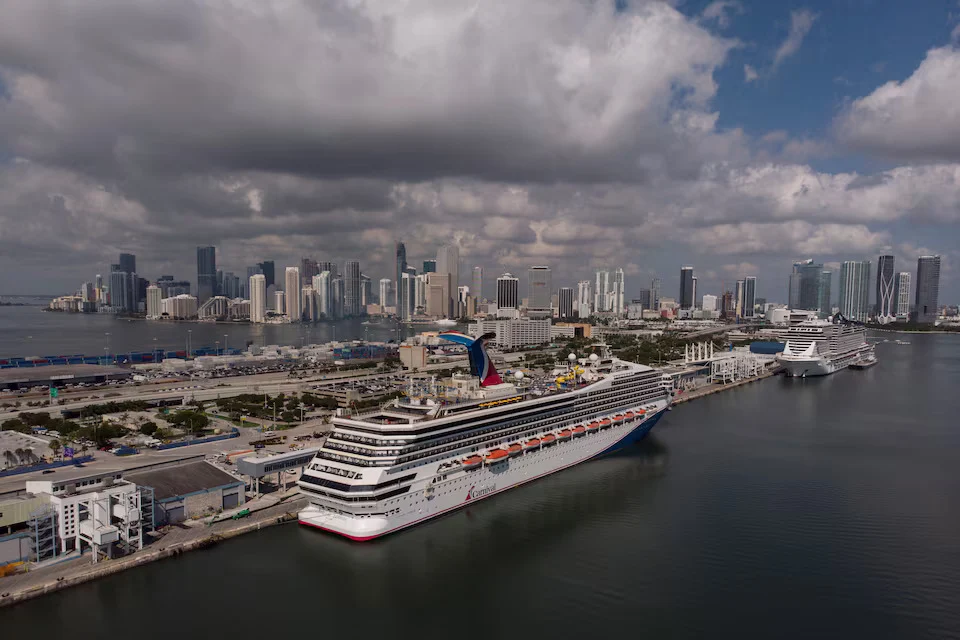
As the industry navigates these headwinds, some operators are exploring regional deployment shifts to reduce fuel burn. For instance, Mediterranean itineraries are being restructured to favour shorter legs between major ports like Barcelona, Civitavecchia, and Piraeus, while Caribbean loops are being streamlined around hubs such as Miami and PortMiami. This consolidation may offer operational savings but raises concerns about the vitality of smaller island economies that depend on cruise tourism.
Travel professionals should monitor how these route changes affect demand in secondary destinations. The broader trend of domestic travel shielding Asia-Pacific tourism boards from global shocks offers a parallel example of how regional resilience can offset external pressures.
For now, the cruise sector's ability to adapt pricing and itineraries without alienating passengers will be tested. With fuel costs unlikely to stabilise soon, the industry's strategic choices over the next quarters will shape its competitive landscape and its progress toward decarbonisation targets.