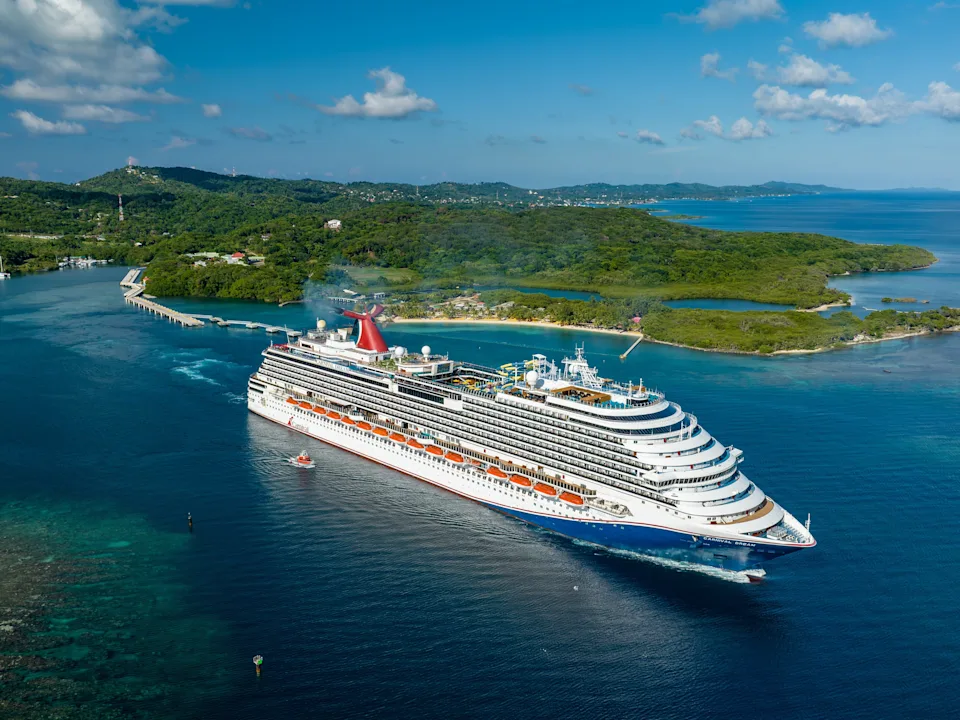
The global cruise industry is at a crossroads: passenger numbers are climbing, but so is scrutiny of its environmental and social footprint. Ports from the Mediterranean to Southeast Asia are responding with green infrastructure upgrades designed to manage rising volumes without eroding the destinations that sustain them.
In December, the Good Tourism Institute argued that sustainable tourism is the industry's best defense against the negative effects of overtourism. That message has gained traction across aviation and hospitality, and now the cruise sector is following suit—not just with marketing campaigns, but with concrete investments in port infrastructure, fuel technology, and waste management.
Growth without compromise
Last month, the Asian Development Bank's Southeast Asia Development Solutions (ADB-SEADS) unit published Growth Without Compromise: The Case for Sustainable Cruise Ports. The report, based on the ADB's fourth webinar in its Green and Resilient Ports series, argues that growth alone does not guarantee long-term value. The real test is how cruise and tourism ports manage passenger volumes while protecting communities, ecosystems, and destination quality.
“Southeast Asia stands at an important moment for its cruise tourism sector,” the report states. “The region’s natural landscapes, cultural heritage, and expanding middle class position it well to attract a larger share of global cruise itineraries. Capturing that opportunity sustainably will require coordinated action across several fronts, including investing in port infrastructure, improving environmental practices and standards, developing local tourism products, and enhancing coordination among destinations in the region.”
Jesse McComb, ADB senior tourism industry specialist, warns that poorly managed tourism initiatives—especially cruise-related ones—can place significant pressure on destinations. The report details the risks: “Waste management systems become overwhelmed, water and energy infrastructure is strained, and fragile coastal and marine environments can be damaged. In extreme cases, overtourism can degrade the cultural and natural assets that attract visitors in the first place. Cruise operations also introduce environmental risks. Ballast water discharge, for example, can spread invasive species, which experts rank among the top global threats to biodiversity.”
What the industry must do
The Cruise Lines International Association (CLIA) has set a clear target: net-zero carbon emissions by 2050. Achieving that requires a multi-pronged approach, starting with the adoption of lower-emission marine fuels such as liquefied natural gas (LNG) and green biofuels. Fuel-flexible engines that can transition to zero-emission fuels are also essential, as are energy-saving innovations like air lubrication systems to reduce hull friction and waste-heat recovery systems.
On the port side, the industry is moving toward mandatory onshore power capabilities, allowing ships to turn off their engines while docked. This is already common in Europe and parts of China, but closing infrastructure gaps elsewhere is critical. Multi-use port facilities that benefit local communities and protect delicate coastal ecosystems from over-expansion are also part of the blueprint.
Waste and water management are equally pressing. Advanced wastewater treatment systems are needed to eliminate untreated discharges, while biodigesters and gasification systems can process food waste onboard into energy or harmless biochar. Finally, the cruise sector must eliminate single-use plastics and source food and goods locally at destinations—a practice already gaining traction in green venue initiatives across Asia.
Ports are already responding. In Barcelona, the cruise terminal has invested in shore power and waste segregation. In Singapore, the Marina Bay Cruise Centre has implemented energy-efficient lighting and water recycling. The Singapore MICE sector is also pushing sustainability, setting an example for cruise operators.
For cruise lines, the pressure is mounting. Carnival Corporation has pledged to reduce carbon intensity by 40% by 2030, while Royal Caribbean Group is investing in LNG-powered ships and shore power. MSC Cruises is testing fuel cells and bio-LNG. These efforts align with CLIA's roadmap, but the industry must accelerate adoption across its entire fleet.
The ADB report emphasizes that sustainable cruise ports are not just an environmental imperative but an economic one. Destinations that fail to protect their natural and cultural assets risk losing the very appeal that attracts cruise lines and passengers. As McComb notes, the industry's future depends on its ability to grow without compromise.
For travel professionals, the message is clear: sustainability is no longer a differentiator but a license to operate. Ports and cruise lines that invest in green infrastructure now will be better positioned to navigate the regulatory and reputational challenges ahead. Those that delay risk being left behind as overtourism pressures intensify.