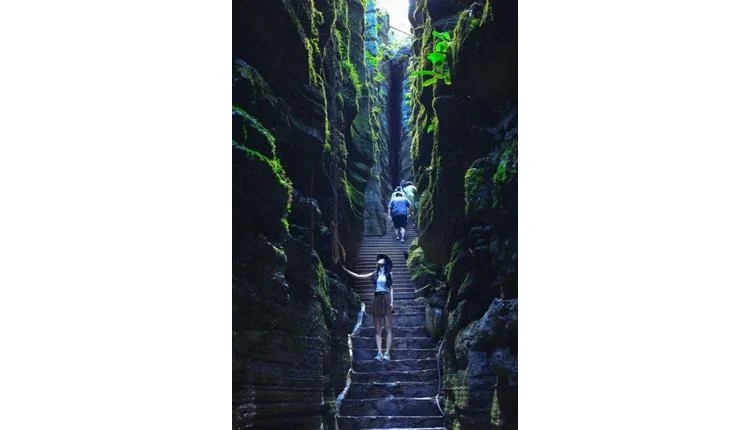
Enshi Suobuya Stone Forest, a 460-million-year-old geological formation in Hubei Province, is rolling out a suite of cultural experiences aimed squarely at Southeast Asian tourists. The initiative capitalizes on China's relaxed visa-free policies and growing air links from the region.
Geological and Cultural Attractions
Spanning 21 square kilometers, the stone forest features towering Ordovician-era peaks amid dense vegetation. The site's cool summer climate positions it as a retreat for travelers from warmer Southeast Asian markets. Four scenic zones offer panoramic viewpoints, fossil exhibits, and a 5D theater.
Beyond geology, the park is a living museum of Tujia culture. Visitors can participate in the Baishou Dance and Tujia Girls Festival, both recognized as intangible cultural heritage. These events include folk-song matchmaking and handicraft displays.
Enhanced Offerings and Accessibility
New activities include horseback exploration and cultural flash mobs. Direct flights from Southeast Asia to Enshi Xujiaping International Airport have improved access, with planned expansions to Singapore and Kuala Lumpur. This aligns with broader efforts to integrate the region into Southeast Asian tourism networks.
Industry observers note parallels with other destination-marketing pushes, such as the STB and Traveloka pact targeting similar audiences. The stone forest's strategy also echoes trends in community-first tourism, as highlighted by the Local Alike Gold Award.
Implications for Travel Professionals
For tour operators and agents, the stone forest offers a new product combining nature and culture. Airlines may see opportunities in the planned route expansions. Hoteliers in Enshi could benefit from increased demand, though the region remains less developed than major Chinese destinations.
The initiative reflects a broader trend of Chinese destinations tailoring experiences for Southeast Asian travelers, as seen in the shift toward soft skills among guides in the region. However, operators should monitor potential infrastructure strains, a concern raised in reports on influencer-led tourism.
With visa-free policies and improved air connectivity, Enshi Suobuya Stone Forest positions itself as a viable option for Southeast Asian travelers seeking a blend of natural wonder and cultural immersion. Travel professionals should evaluate the destination's readiness for increased visitor numbers and the sustainability of its community-based offerings.