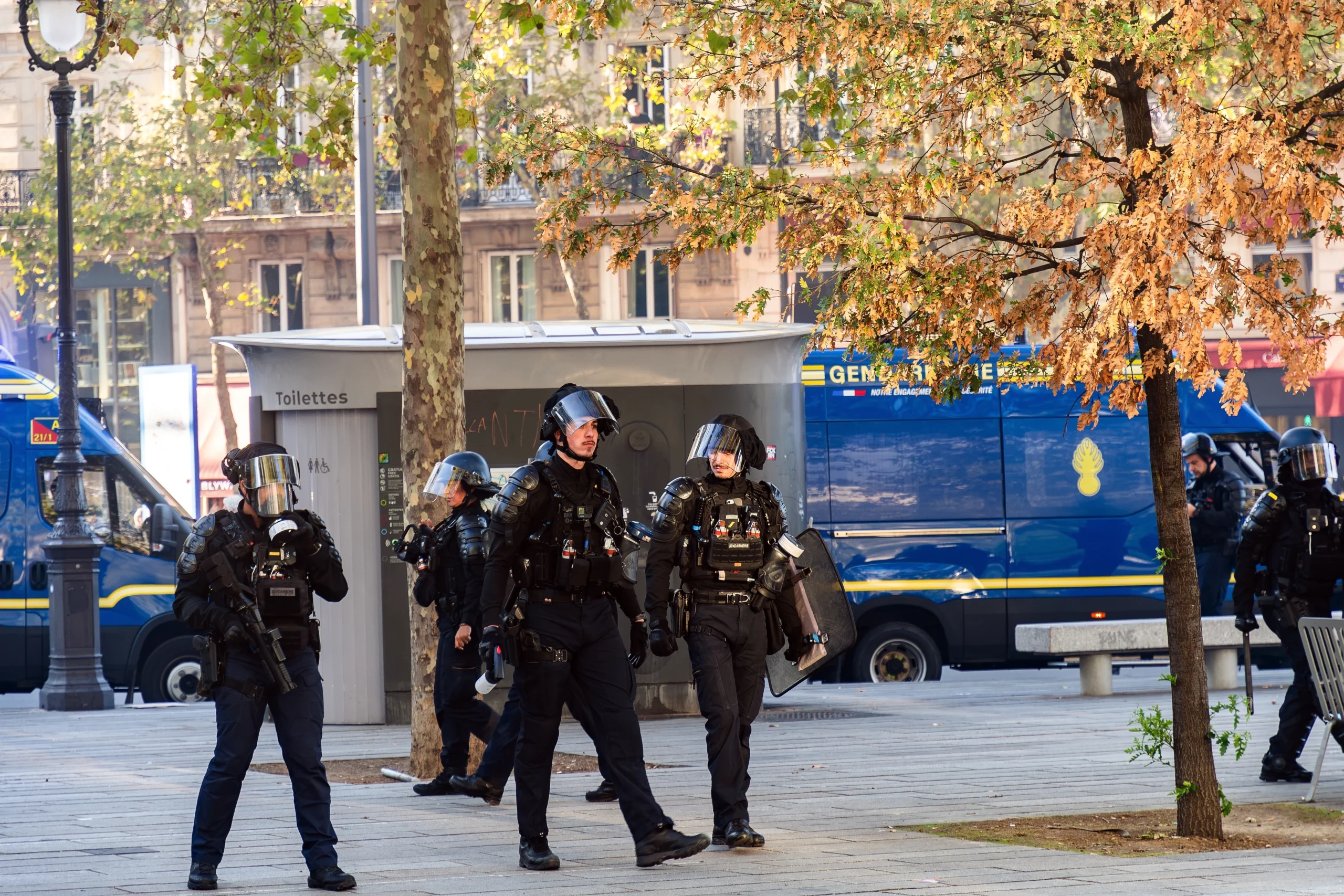
France's tourism sector is navigating a fresh wave of disruption after violent protests erupted across the country, prompting hotel cancellations, damage to travel agencies, and temporary closures of major attractions. The unrest, which began as demonstrations over living costs and school conditions, has escalated into looting and clashes with police, forcing the government to respond with localized curfews and financial support for affected businesses.
Prime Minister Sébastien Lecornu has called for regional authorities to implement partial curfews where necessary, following an interministerial crisis meeting on 19 October. The government has also pledged a dedicated support fund and partial-unemployment measures for businesses hit by the violence, according to Le Monde. These steps aim to protect both employees and commercial operations, but their success hinges on how quickly affected areas can return to normal and whether further unrest occurs.
Hotel bookings show mixed signals
Early data from hospitality consultancy MKG, reported by Le Monde, indicates that cancellations slightly outpaced new reservations on 18 October. However, bookings for the following two weeks remained above the comparable period in 2025, suggesting that the immediate impact may be short-lived. France Hospitalité, which represents 3,500 hotels, also reported cancellations and early departures, though the figures cover a limited timeframe and do not yet establish a sustained downturn.
For hoteliers, the critical question is whether these fluctuations reflect a temporary reaction to the weekend's violence or the beginning of a broader shift in travel demand. The current data does not support a definitive conclusion, and industry observers are closely monitoring reservation trends in the coming weeks.
Travel agencies and attractions feel the strain
The impact extends beyond accommodations. French trade publication L'Écho touristique reported that travel agencies and other tourism businesses were among those vandalized. In a joint statement, tourism organizations ADN Tourisme, ANETT, CAT, and INNTO France condemned the violence and called for protective measures, support for affected businesses, and accelerated compensation. They highlighted damage to the Lyon tourist office and Limoges town hall, illustrating how unrest can disrupt facilities used by both visitors and locals.
Attraction closures have also disrupted sightseeing. The Louvre temporarily shut its doors on 19 October after students blocked entrances during a protest, as reported by Le Monde. For tour operators and travel agencies, such interruptions require rapid itinerary adjustments and enhanced customer communication. While the financial losses have not been quantified, the operational challenges are immediate.
For travel professionals, this situation underscores the importance of flexible planning and clear communication. As Simpson Travel expands in southern France, the region's appeal remains, but operators must be prepared to adapt to localized disruptions.
Travel confidence remains the key concern
France 24's report, "Paris weekend riots raise concerns for tourism industry," highlights the potential impact on international visitors. Destination marketers and travel companies face the challenge of conveying accurate, location-specific information rather than treating the entire country as equally affected. The consequences for bookings will depend on the duration and geographic spread of the unrest, any further restrictions, and travelers' perceptions of safety.
The travel industry will be watching hotel reservations, cancellations, visitor arrivals, and occupancy rates for evidence of a sustained effect. At present, the reported disruption and business damage are clear, but the available data does not demonstrate a broad decline in international tourism. As the situation evolves, stakeholders across the sector—from airlines to new hotel entrants like Ruby Hotels—will need to stay agile.
For those planning travel to France, the advice is to monitor official sources and maintain flexibility. The government's support measures, including the dedicated fund and partial-unemployment provisions, are designed to mitigate the economic fallout. However, the long-term impact on France's tourism industry will depend on restoring confidence and ensuring safety across all destinations.