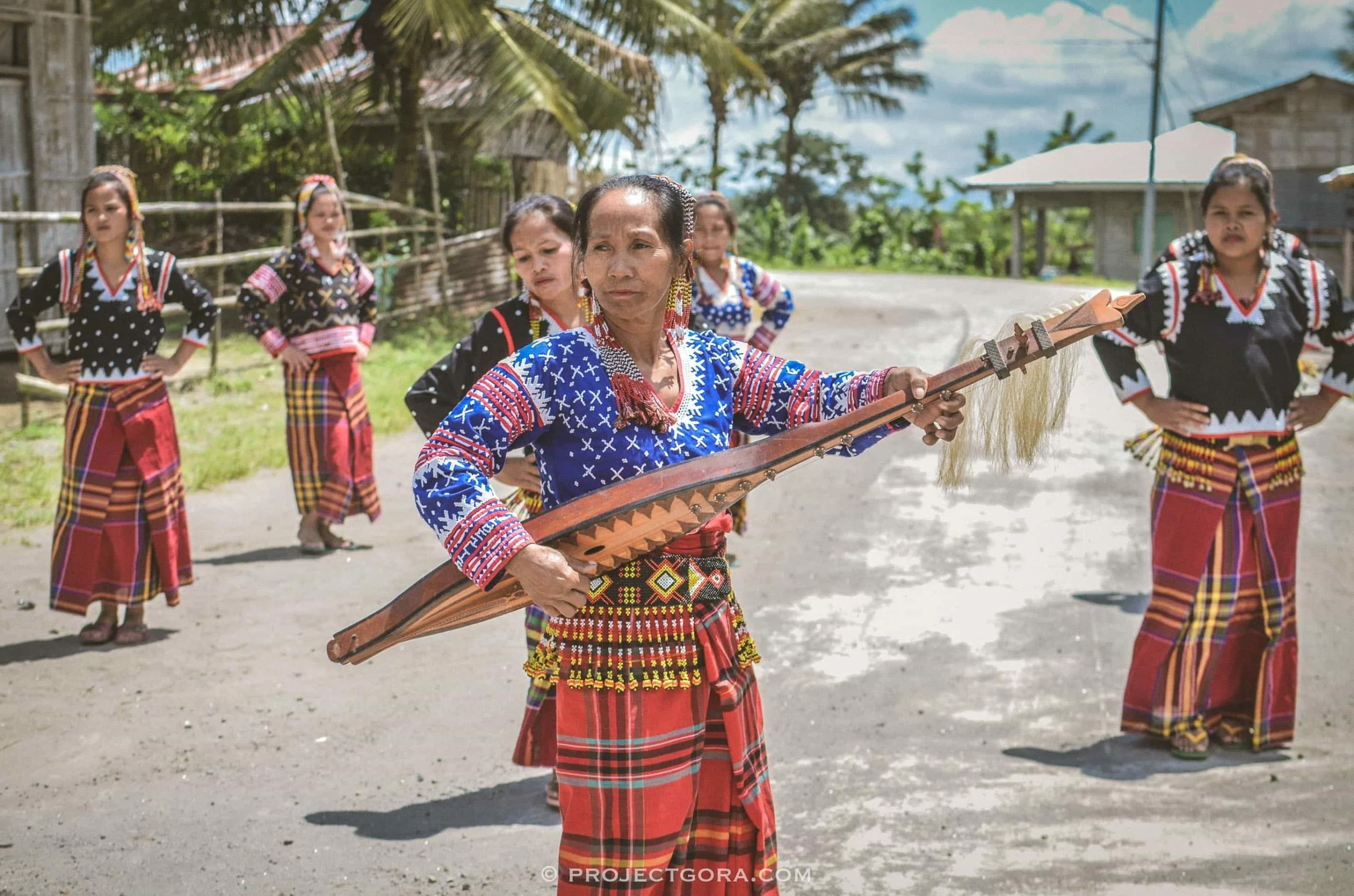
The global travel industry is witnessing a fundamental shift as travelers move away from passive sightseeing toward meaningful, immersive experiences. This evolution is creating significant opportunities for Indigenous-led tourism, where communities themselves design and operate the experiences they offer.
Across destinations from the Mekong region to the Americas, Indigenous peoples are increasingly taking center stage in tourism development. Their involvement ensures that cultural presentations are authentic, not staged for quick consumption. As one industry observer noted, true immersion cannot be achieved through tokenism or third-party interpretation.
Authenticity over spectacle
For decades, traditional itineraries have risked reducing complex living cultures to superficial side attractions. Indigenous-led tourism disrupts this dynamic by returning narrative agency to local communities. When experiences are designed and executed by the stewards themselves, visitors move past sanitized marketing materials to encounter authentic oral histories, creation beliefs, and sacred traditions directly from the source.
Rather than admiring ancient rock art, intricate wood carvings, or hand-woven textiles merely as aesthetic artifacts, travelers gain insight into the deep symbolism and living heritage woven into each piece. This self-determination also creates space for historical truth, as Indigenous guides offer honest, unvarnished educational perspectives on colonization, displacement, and resilience.
This depth is something conventional guidebooks cannot replicate. For travel professionals, it represents a compelling product differentiator in a crowded market. As Singapore's tourism strategy shifts to yield, the emphasis on quality over quantity aligns with the immersive travel trend.
Conservation and economic empowerment
Indigenous participation in tourism extends beyond cultural preservation; it serves as a vital vehicle for environmental conservation and land advocacy. Ethnically-held territories contain a significant proportion of the world's remaining biodiversity, sustained by centuries of ancestral ecological knowledge.
Guided nature walks and immersive tracking introduce travelers to native wildlife and sophisticated conservation practices honed over generations. Ethnobotany excursions offer practical lessons on regional biodiversity, identifying medicinal plants and sustainable foraging methods. Revenue from these operations directly funds conservation initiatives, empowers legal land rights advocacy, and ensures ancestral territories remain protected from unsustainable commercial exploitation.
This model creates a direct economic bridge to environmental protection. For tour operators and destination marketers, it offers a way to meet growing consumer demand for responsible travel while supporting local communities.
The trend is particularly visible in Asia-Pacific, where destinations like Vietnam and Cambodia are integrating Indigenous experiences into their tourism offerings. At the recent ITE-HCMC, Mekong states deepened tourism ties, highlighting the role of community-based tourism in regional strategy.
However, industry experts caution against superficial approaches. "True immersion cannot be achieved through tokenism," said one tourism development specialist. "It requires genuine partnership and leadership from Indigenous communities."
For travel buyers and agents, the rise of Indigenous-led tourism presents both a challenge and an opportunity. The challenge is to move beyond the 'Disneyfied' presentation that many travelers expect. The opportunity is to offer experiences that are not only memorable but also ethically sound and culturally enriching.
As the industry continues to evolve, the integration of Indigenous voices will likely become a hallmark of premium travel. Destinations that embrace this model stand to gain a competitive edge in attracting discerning travelers who value authenticity and sustainability.