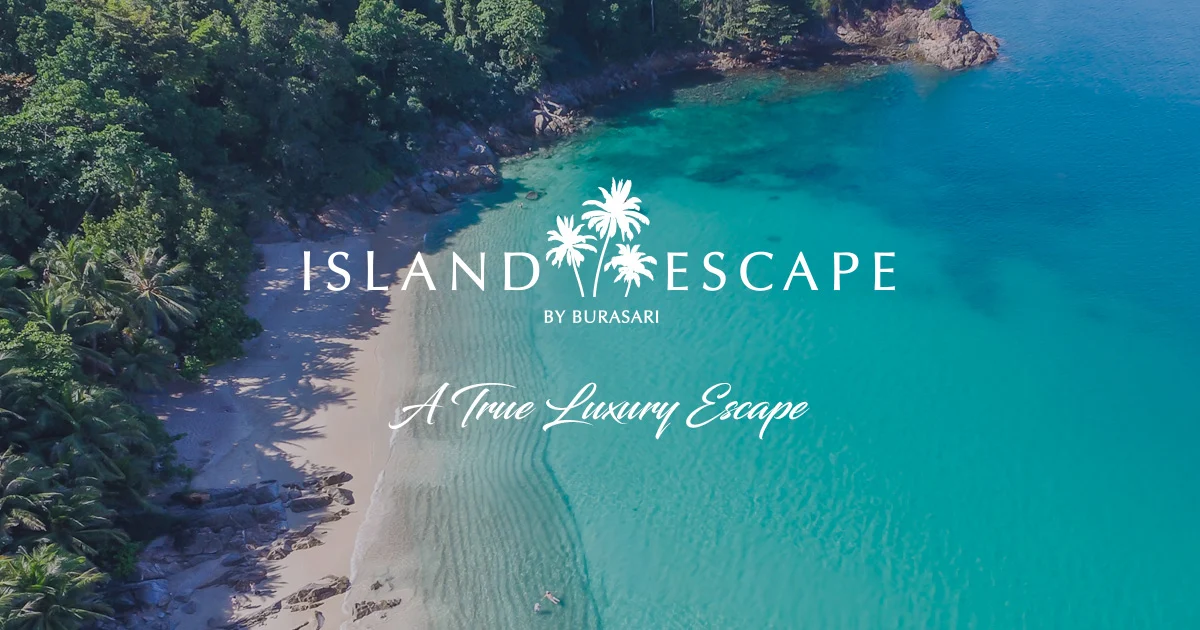
As the luxury travel segment pivots from ostentatious grandeur toward mindful, high-touch experiences, Island Escape by Burasari is positioning itself as a benchmark for slow travel in Thailand. Located on the secluded shores of Koh Maphrao (Coconut Island), a short boat ride from Phuket's eastern coast, the resort offers a model that travel professionals—from luxury tour operators to corporate incentive planners—can leverage for clients seeking privacy and authenticity.
Strategic Location and Design Philosophy
The property's competitive edge lies in its seamless access: a private boat transfer from mainland Phuket delivers guests into an island sanctuary without the logistical friction typical of remote resorts. This combination of exclusivity and convenience is a key selling point for agents and DMCs crafting high-end FIT itineraries.
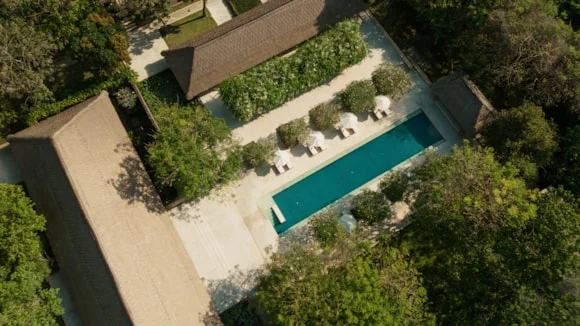
Architecturally, Island Escape by Burasari embraces biophilic principles. Open-plan layouts, warm organic textures, and tropical landscaping minimize environmental impact while enhancing guest comfort. The villas are engineered for total discretion, appealing to VIP travelers who value privacy without sacrificing access to palm-lined grounds and beachfront views. This design ethos supports a range of B2B applications, from wellness retreats to intimate corporate incentive packages.
Service Culture and F&B as Revenue Drivers
The resort's service model is built on intuitive, low-intrusiveness hospitality. Staff are trained in anticipatory service—quietly capturing guest preferences to drive satisfaction and repeat visits. This approach has yielded high customer satisfaction scores and strong guest retention, a critical metric for travel advisors evaluating long-term value.
Food and beverage is another strategic asset. The dining program prioritizes unhurried, locally grounded coastal cuisine, using fresh Thai ingredients and oceanfront settings. By avoiding artificial spectacle in favor of relaxed elegance, the property extends dwell times across its outlets, boosting on-property spend per guest. For hoteliers and F&B directors, this demonstrates how a focused culinary concept can drive yield in a boutique resort setting.
Implications for the Travel Trade
For travel professionals diversifying their Thailand luxury portfolios, Island Escape by Burasari offers a high-value alternative to mainland properties. Its emphasis on care, balance, and intentional design aligns with the growing demand for slow travel and wellness-oriented experiences. The resort's success also reflects broader trends in the region, where destinations are tightening rules on tourist conduct as islands face overtourism pressures—making secluded, managed retreats like this increasingly attractive.
Beyond Thailand, similar models are emerging across Asia. In the Maldives, for instance, Four Seasons tailors family escapes across three islands, demonstrating how multi-island resorts can cater to specific traveler segments. Meanwhile, in the Philippines, tourism growth hinges on fixing inter-island transit gaps, underscoring the importance of seamless connectivity—a lesson Island Escape has already internalized.
For MICE planners, the resort's privacy and service standards make it a candidate for high-level corporate retreats, though its intimate scale suits smaller, executive groups. The property's ability to deliver personalized experiences without overt luxury cues is a differentiator in a market saturated with grand resorts.
“Island Escape by Burasari is not about escaping the world entirely. It is about reconnecting with a gentler version of it.”
This philosophy resonates with a growing cohort of high-net-worth travelers who prioritize well-being and authenticity over ostentation. For travel advisors, the resort represents a tangible example of how slow travel can be commercialized effectively, with high guest satisfaction translating into repeat bookings and referrals.
As the industry watches how Malaysia unites hospitality and bureaus to win global events, and as MTE Hanoi 2026 spotlights Vietnam's hospitality growth, the lessons from Island Escape by Burasari—intentional design, intuitive service, and a focused F&B strategy—offer a blueprint for boutique resorts aiming to capture the slow-travel segment. For travel professionals, it's a property worth considering for clients who value discretion, sustainability, and genuine connection.