Marina Bay Sands has announced a S$1.5 million (US$1.1 million) commitment over three years to the Mandai Wildlife Centre, Singapore's newest facility focused on the rehabilitation of rescued native wildlife. The contribution, one of the integrated resort's largest biodiversity investments, underscores a strategic push to integrate luxury hospitality with tangible environmental stewardship.
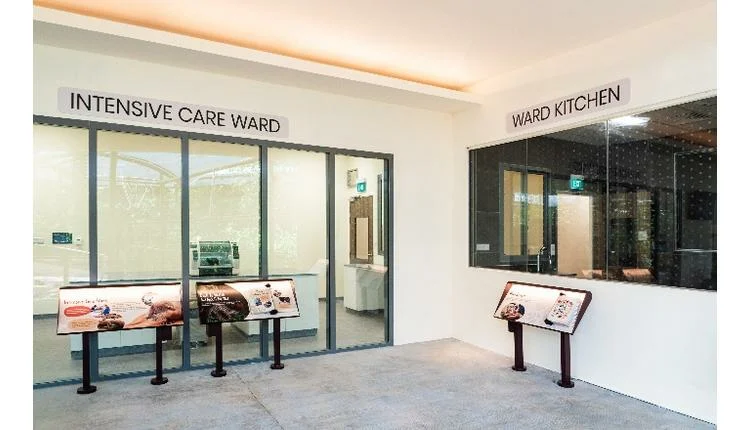
Operated by Mandai Nature, the centre is located within Rainforest Wild Adventure East and provides a purpose-built environment for veterinary care and rehabilitation of species such as the Sunda pangolin and reticulated python. A viewing gallery allows visitors to observe treatment processes, aiming to build public appreciation for local biodiversity.
Partnership Extends Beyond Funding
Meridith Beaujean, Assistant Vice President of Sustainability and ESG at Marina Bay Sands, said, “We are delighted to support partners such as Mandai Nature in protecting Singapore’s native biodiversity.” The collaboration includes bespoke educational experiences and learning opportunities designed to deepen awareness of wildlife conservation among guests and the broader community.
Mandai Nature CEO Sonja Luz highlighted the centre's strategic importance: “Mandai Wildlife Centre marks an important step forward in strengthening Singapore’s role in wildlife rehabilitation and conservation.” The facility expands Mandai Nature's capacity to deliver tailored treatment for rescued animals, reinforcing the city-state's position as a hub for conservation innovation.
Beyond this initiative, Marina Bay Sands continues to engage in responsible sourcing and habitat-sensitive practices, partnering with organisations such as the World Wide Fund for Nature Singapore and Hutan in Malaysian Borneo. These efforts align with broader industry trends where travel and hospitality players are increasingly embedding biodiversity goals into their operations.
The announcement comes amid growing scrutiny of the travel industry's environmental footprint, including debates around AI-driven data centres and resource consumption. For travel professionals, the partnership signals how major hospitality brands can leverage conservation projects to differentiate their sustainability credentials and appeal to eco-conscious travellers.
For airlines and tour operators, the centre offers a new attraction that can be woven into itineraries for nature-focused visitors. Singapore's Changi Airport, a key hub for carriers like Singapore Airlines and Emirates, already sees strong demand for wildlife experiences, and the Mandai Wildlife Centre adds a rehabilitation-focused dimension to the city's tourism offerings.
Hoteliers and MICE planners may also find value in the centre's educational programmes, which can be incorporated into corporate retreats or incentive travel. The viewing gallery and bespoke experiences provide a unique venue for client events that combine learning with leisure.
As the travel industry confronts its environmental impact—from carbon emissions to habitat disruption—initiatives like this demonstrate how integrated resorts can move beyond offsetting to direct action. Marina Bay Sands' investment in native species rehabilitation reflects a growing expectation that luxury hospitality must actively contribute to ecosystem resilience.
For travel agents and destination marketers, the Mandai Wildlife Centre represents a new asset in Singapore's already rich portfolio of green attractions. It complements existing offerings such as the Singapore Zoo and Gardens by the Bay, reinforcing the destination's appeal to the growing segment of travellers seeking meaningful wildlife encounters.
The partnership also echoes broader conservation efforts across the industry, such as Korean Air signing the Buckingham Palace Declaration to curb wildlife trafficking and Brazil leveraging Global BirdFair to boost wildlife tourism. These moves highlight a sector-wide shift toward integrating conservation into core business strategies.
As the Mandai Wildlife Centre begins operations, travel professionals should monitor how this model influences other destinations. The combination of rehabilitation, public education, and luxury hospitality funding could become a template for similar projects in biodiversity-rich regions across Asia and beyond.