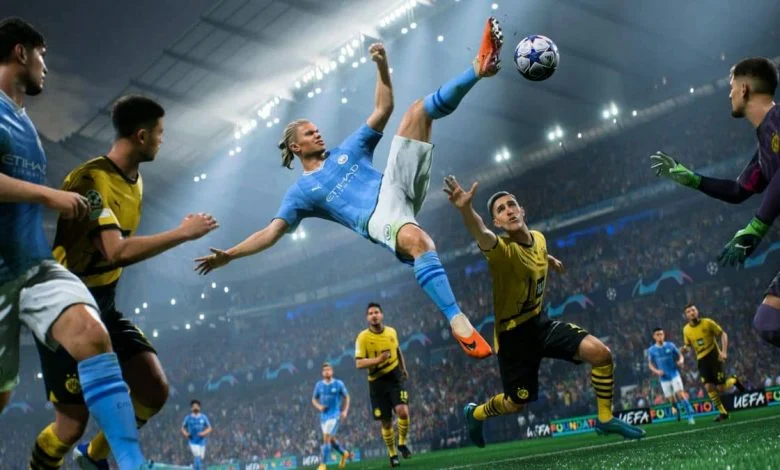
Norway's unexpected quarter-final appearance at the 2026 FIFA World Cup, driven by striker Erling Haaland, has handed the country's tourism sector an extended destination-marketing campaign across the United States. While direct booking data is still emerging, the tournament has placed Norwegian identity, lifestyle and culture before a much wider American audience, creating a valuable window for airlines, hotel groups, tour operators and destination marketers to convert football fandom into travel demand.
Haaland, already a global star through Manchester City and the Premier League, became the face of Norway's run. Reuters described the atmosphere as "Haaland mania" as the team defeated Brazil before falling to England. His two-goal performances against Senegal and in the knockout stage gave American fans weeks of exposure to Norway's colours, supporters and traditions. For destination marketing, a successful sports personality can make a country feel familiar before a potential visitor knows much about its geography or attractions. Haaland's distinctive image—powerful, informal and strongly associated with his Norwegian background—offers an instantly recognisable entry point into the US market.
From the Viking Row to Bookable Experiences
Norway's supporters also created a visual identity around the team. Fans performed the "Viking Row" in public spaces, including New York's Times Square, generating highly shareable content that connected football with Norwegian heritage, community and outdoor culture. After the quarter-final exit, more than 100,000 people gathered in Oslo to welcome the team home, offering international audiences vivid images of the capital and a sense of national warmth.
For Visit Norway and commercial partners, the next step is to connect that sporting imagery with bookable experiences. Campaigns could take American supporters from the Viking narrative towards fjord cruises, coastal communities, Oslo city breaks, hiking, football-club visits and trips to Haaland's home region around Bryne. Tour operators like Oliver's Travels have already noted a surge in late luxury villa bookings from affluent groups, suggesting that high-end travellers are eager to secure unique accommodations close to departure.
A Favourable Moment for Norway's Tourism Sector
The World Cup exposure arrives as Norway is already attracting more international visitors. The OECD's Tourism Trends and Policies 2026 report states that Norway recorded 14.2 million international commercial guest nights in 2025, 32% above 2019 levels. The United States represented 12% of foreign guest nights, making it Norway's second-largest source market after Germany. Americans are also looking beyond Europe's traditional summer hotspots, with Nordic destinations benefiting from demand for "coolcations" as travellers seek alternatives to southern Europe's heat. The Wall Street Journal reported in July that nearly 11 million Americans travelled to Europe during the first half of 2026, despite high costs and a weaker dollar.
Norway therefore has both established US demand and a major new cultural hook. Airlines, travel advisers and hotels can combine Haaland-led awareness with existing selling points: cooler summers, dramatic landscapes, rail-and-fjord itineraries, Northern Lights travel and less-crowded alternatives to major European capitals. The World Cup 2026 has already driven multi-city US itineraries, with fans extending stays beyond stadiums, a trend that can be replicated for Norway-bound travellers.
What Travel and Hospitality Brands Should Do Next
The opportunity is not to create a superficial celebrity trail. It is to build itineraries around the values audiences associate with the Norwegian team: outdoor adventure, confidence, simplicity, community and a strong sense of place. Hotels could introduce football-themed family packages, while tour operators can develop Oslo-and-fjords programmes around major Premier League or international fixtures. Regional tourism organisations could also promote Bryne and south-western Norway as part of a broader culture-and-coast itinerary rather than relying on Haaland's birthplace as a stand-alone attraction.
The strongest campaigns will use the World Cup as the opening chapter, then direct consumers towards authentic Norwegian experiences. Football legends increasingly function as unofficial destination ambassadors, and Norway now has one of the most recognisable in the world. The British Airways and Norwegian partnership that turned a World Cup bet into a global travel marketing win shows how airlines can capitalise on such moments. For Norway, the challenge is to turn Haaland's visibility into lasting travel demand—and the foundations are already in place.