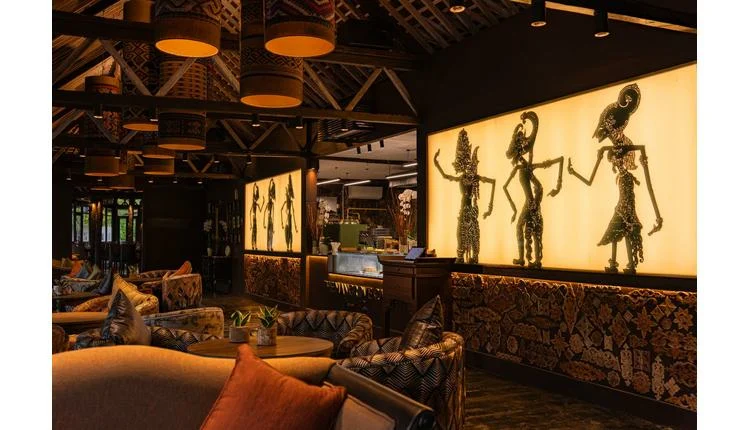
Nuanu Creative City, the 44-hectare mixed-use development in Tabanan, Bali, has launched Nusantara, a new culinary and arts destination designed to spotlight Indonesia's diverse gastronomic heritage. Opening on 14 August 2026, the venue brings together flavors from nine islands, positioning itself as a cultural gateway for international visitors to the archipelago.
Nusantara comprises four distinct spaces: Warung Nine Islands, Meja 36, The Mangrove Café, and The Gallery. Warung Nine Islands serves traditional dishes from Java, Sumatra, Bali, and other regions, with spice pastes prepared fresh daily. Meja 36 offers a contemporary interpretation of these regional flavors, while The Mangrove Café features single-origin coffee sourced from Sumatra, Java, Sulawesi, and Flores. The Gallery displays 1,000 Indonesian tribal artifacts, curated by Pascal Morabito, each accompanied by a digital guide explaining its cultural significance.
A strategic move for Bali's hospitality sector
Lev Kroll, CEO of Nuanu Creative City, emphasized the project's role in broadening Bali's appeal beyond its beaches. "Bali is Indonesia's gateway, and we want Nuanu to open the door wider," he said. "Nusantara invites visitors to explore the broader Indonesian archipelago through its cuisine and culture."
Chef James Ephraim, founder of Nusantara, stressed the importance of authenticity in the culinary offerings. "If a grandmother from Padang eats our rendang and recognises it, we have done our job," he noted, underscoring the venue's commitment to preserving traditional recipes.
The launch aligns with Nuanu Creative City's broader mission to integrate education, art, and wellness on its Tabanan site. Nusantara also contributes to the Nuanu Social Fund, which supports Bali's culture and communities, reinforcing the development's focus on sustainable tourism.
For travel professionals, Nusantara adds a new dimension to Bali's already vibrant hospitality landscape. The venue offers tour operators and travel agents a fresh product to market, particularly for clients seeking immersive cultural experiences. Its location in Tabanan, away from the crowded southern resorts, could appeal to those looking to diversify itineraries.
The initiative also reflects a growing trend in destination development: using food and arts as anchors for placemaking. Similar efforts are underway elsewhere, such as Singapore's MICE incentives that leverage local culture to attract business events. Nusantara's model could serve as a template for other Indonesian destinations aiming to boost their tourism appeal.
With its mix of traditional and contemporary dining, a curated gallery, and a social impact fund, Nusantara positions itself as a must-visit for culinary tourists and cultural enthusiasts. As Bali continues to evolve as a global travel hub, projects like this help differentiate the island from other Southeast Asian destinations.
For cruise lines and tour operators, Nusantara could be integrated into shore excursions or pre/post-cruise packages, especially given the recent expansion of luxury expedition programs in Indonesia. The venue's proximity to major ports and airports makes it accessible for day trips.
Nuanu Creative City's investment in Nusantara underscores the growing importance of cultural tourism in the region. As travelers seek deeper connections with local communities, destinations that offer authentic experiences are likely to gain a competitive edge. The launch of Nusantara is a clear signal that Bali is ready to lead in this space.