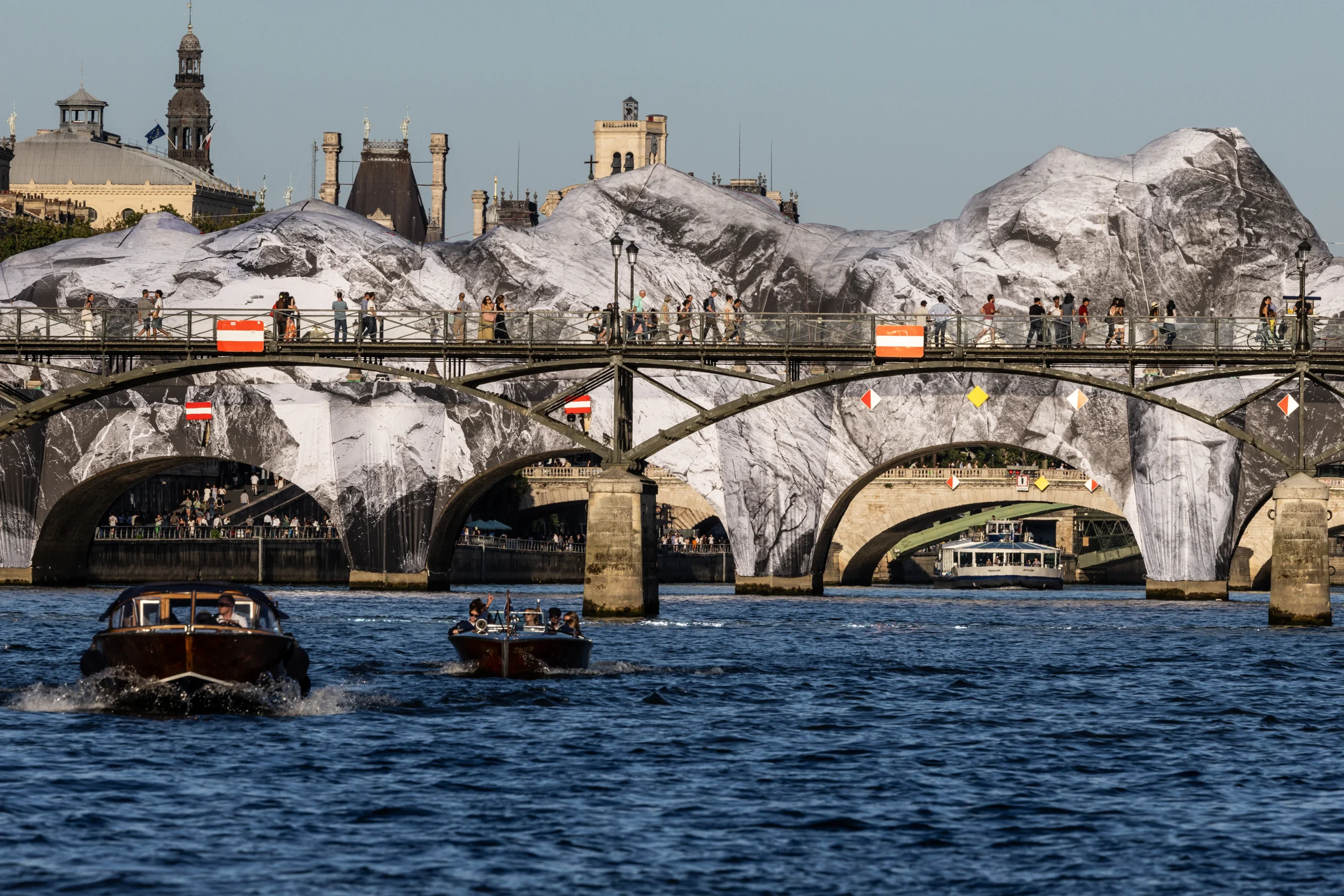
Paris's temporary art installation La Caverne du Pont Neuf has drawn 6.4 million visitors between 20 May and 28 June, according to Paris Je t'aime, the city's official tourism office. The figure surpasses the daily attendance of the Louvre, the world's most-visited museum, which averages 41,154 visitors per day. Despite a severe heatwave that hit the French capital during the period, the installation captivated both locals and international tourists, underscoring the power of bold cultural initiatives to drive destination appeal.
Cultural Tourism as a Destination Driver
The installation, which will be dismantled on 13 July, was designed with sustainability in mind: 90% of its materials will be reused. The iconic fabric envelope of La Caverne is set to embark on a new journey, aiming to connect, shelter, and inspire, continuing the spirit of the installation. The project's success is notable given the challenges posed by severe weather, which delayed its opening. Repairs were swiftly conducted, allowing the public to experience the unique sensory journey crafted by contributors including Thomas Bangalter and Snap Inc.
Corinne Menegaux, CEO of Paris je t'aime, highlighted the installation's impact on tourism and media, with over 3,000 articles published globally. "Bold artistic initiatives are a powerful driver of Paris's attractiveness," she stated, emphasizing the city's commitment to supporting such projects. The installation not only enhanced Paris's cultural appeal but also boosted local employment, engaging 850 people and 13 companies in its execution. The project was funded through private support, including contributions from Snap Inc. and Bloomberg Philanthropies, ensuring free access to the public throughout its display.
For travel professionals, the numbers offer a clear signal: temporary cultural installations can generate significant footfall and media attention, rivaling even the most established attractions. Paris's ability to draw 6.4 million visitors in just over a month—despite a heatwave—demonstrates the resilience of cultural tourism as a segment. This trend echoes similar successes in other global cities; for instance, Beijing Art Season 2026 drew a record 1.27 million visitors, bolstering the city's cultural tourism appeal.
From an operational perspective, the project's reliance on private funding and its free-access model offer a template for destination marketing organizations seeking to attract high-volume, low-barrier cultural events. The involvement of Snap Inc. also highlights the growing role of technology companies in shaping visitor experiences—a trend that travel-tech vendors should watch closely. As airlines and hoteliers look to capitalize on cultural tourism flows, partnerships with tech firms could become a key differentiator.
The installation's success also has implications for the broader Paris tourism ecosystem. With the city hosting major events like the upcoming Olympics, the ability to sustain visitor interest through temporary attractions is critical. The 6.4 million figure represents a significant boost to local businesses, from hotels to restaurants, and underscores the importance of destination marketing in driving repeat visits. For tour operators and agents, packaging such events with existing itineraries could offer a competitive edge.
As La Caverne du Pont Neuf prepares to close, its legacy may extend beyond Paris. The model of high-impact, temporary cultural installations funded by private sponsors could be replicated in other global cities seeking to boost tourism without permanent infrastructure investment. For travel professionals, the lesson is clear: cultural tourism remains a powerful lever for destination attractiveness, and innovative, well-funded projects can deliver outsized returns in visitor numbers and media exposure.