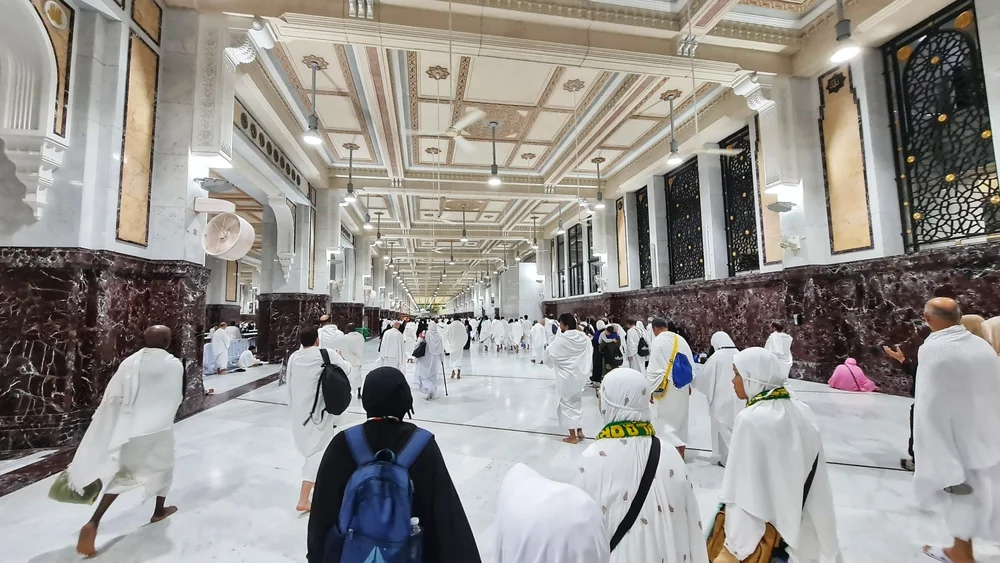
Saudi Arabia has introduced a one-year, multiple-entry Umrah visa, a policy shift that signals the Kingdom's intent to reshape pilgrimage travel into a year-round, digitally managed market. Announced by the Ministry of Hajj and Umrah, the visa permits eligible pilgrims to enter Saudi Arabia multiple times over 365 days, with a cumulative stay of up to 90 days. Each visit must still comply with Saudi regulations, including booking an approved Nusuk package and obtaining an Umrah permit before performing the pilgrimage. The visa remains inactive during the Hajj season to ensure it is used exclusively for Umrah.
From Fixed Packages to Flexible Itineraries
For travel professionals, the implications extend far beyond individual pilgrim convenience. Historically, Umrah has been sold as a fixed package—visa, flights, hotel, and transport bundled into a single journey. The new visa opens the door to a different business model. Travel agencies can now market repeat pilgrimages, family visits spread across the year, and flexible travel plans rather than a once-a-year departure. Airlines have an opportunity to stimulate demand outside traditional peak periods, while hotels in Makkah and Madinah could benefit from a steadier flow of visitors instead of relying heavily on Ramadan and school holidays.
The visa's 90-day cumulative stay gives pilgrims considerable freedom over when—and how often—they travel. This flexibility is particularly valuable during periods of operational uncertainty, such as the regional airspace closures that forced airlines like Saudia to reroute flights around conflict zones, increasing flying times and complicating schedules. Pilgrimage demand remained resilient, and the new visa complements that resilience by allowing travellers to postpone and rearrange plans without restarting the entire application process.
Digital Ecosystem at the Core
The additional flexibility does not mean fewer regulations. Instead, Saudi Arabia is placing even greater emphasis on Nusuk, the Kingdom's digital pilgrimage platform. Every visit under the new visa must be linked to an approved Nusuk package, reinforcing the government's broader effort to digitise the entire pilgrim journey—from visa issuance and permits to accommodation and transport. For travel advisors, this means expertise is becoming more valuable than paperwork. Rather than simply arranging visas, agents increasingly need to guide travellers through digital permits, itinerary planning, and changing operational requirements.
This approach aligns closely with Saudi Arabia's Vision 2030 strategy, which seeks to improve the overall pilgrim experience while expanding religious tourism and modernising visitor services. The new visa also supports the Kingdom's ambition to attract more luxury travellers, as seen in recent developments like Red Sea Global's opening of Six Senses AMAALA on the northwest coast.
Airfare Pressures Remain
The visa may make travel easier, but it does not remove one of the industry's biggest challenges: the cost of flying. Regional conflict pushed airlines to avoid parts of Iranian, Iraqi, and Syrian airspace around Eid Al Adha, leading to longer routings, higher fuel burn, and significantly more expensive pilgrim fares. A flexible visa is undoubtedly attractive, but affordability will continue to influence travel decisions. For tour operators, that means packaging competitive airfares, flexible ticket conditions, and comprehensive travel protection alongside the visa itself.
For airlines, the new visa could help smooth demand across the year. Carriers like Saudia, which recently debuted an esports World Cup-themed aircraft on the Riyadh–Paris route, may find new opportunities to fill seats during shoulder seasons. Similarly, hotels in the holy cities can expect more consistent occupancy, reducing their dependence on peak periods.
A Long-Term Shift in Religious Tourism
Taken together, the new visa reflects a broader shift in Saudi Arabia's pilgrimage strategy. Rather than concentrating millions of visitors into a handful of peak periods, the Kingdom is encouraging year-round travel supported by digital services, better visitor management, and greater flexibility. For airlines, hotels, and travel companies, the message is clear: Umrah is gradually becoming less of a seasonal product and more of a repeat-travel market. Businesses that adapt early—by offering flexible itineraries, personalised packages, and digital support through the Nusuk ecosystem—are likely to be best positioned to benefit.
The visa itself may be new, but the direction of travel is unmistakable. Saudi Arabia is steadily transforming Umrah into a more accessible, digitally connected, and commercially sustainable segment of global religious tourism.