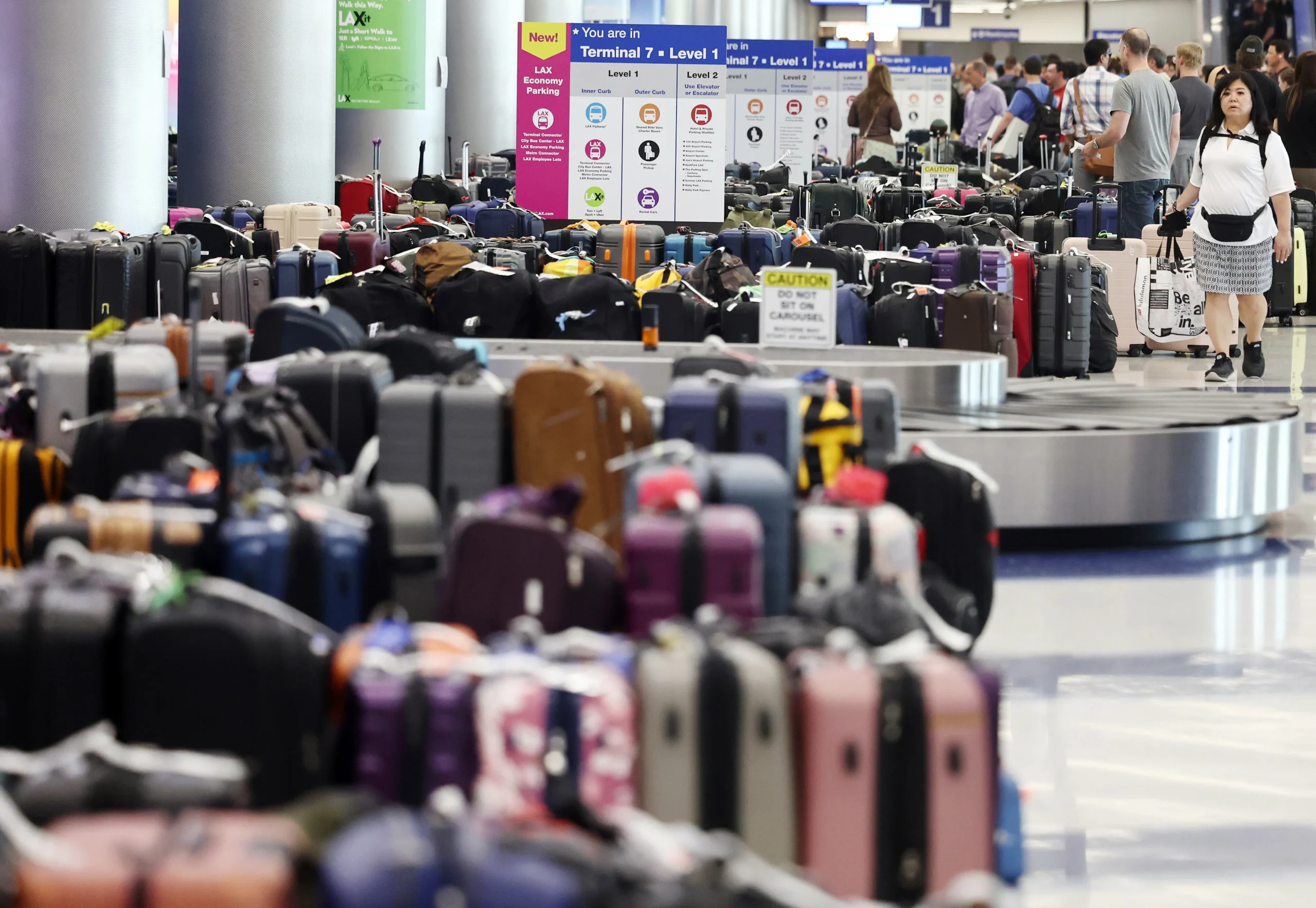
The global travel industry achieved a milestone in 2025: mishandled baggage rates dropped 23% year-over-year, falling below pre-pandemic levels for the first time. That's according to the SITA 2026 Baggage IT Insights report, which credits a wave of digital investments by airlines, airports, and ground handlers for the improvement.
Passenger volumes hit a record 5 billion in 2025, up from 4.8 billion in 2024, yet the number of mishandled bags fell to 24 million. Still, the cost of those errors remains steep: $6.3 billion annually, with each mishandled bag costing an average of $260. Delayed bags alone account for 70% of those costs, pointing to a clear target for further efficiency gains.
Technology at the Core of Baggage Transformation
The report highlights how real-time data sharing, AI-powered routing, and biometric bag drop are turning baggage handling from a logistical headache into a digital service. Nicole Hogg, Portfolio Director Baggage at SITA, noted: “Passengers expect to know where their bag is at every moment, and they’re increasingly willing to help us track it.”
One standout example: Apple’s Find My integration with SITA WorldTracer® reduced permanently lost luggage by 90% in its first year. Thai Airways also saw faster baggage processing after deploying SITA’s Auto Reflight solution, which automates re-routing of bags on disrupted itineraries.
Looking ahead, three-quarters of airlines plan to invest in AI, and half aim to provide real-time baggage updates to passengers. The industry target is full compliance with baggage tracking standards by 2027, which would enable innovations like home-tagging and car park bag drops.
For travel professionals, the message is clear: digital baggage management is no longer optional. As passenger numbers continue to outpace infrastructure growth, the airlines and airports that adopt these tools will gain a competitive edge in both operational efficiency and customer satisfaction.
Related reading: Korean Air and Delta Add Seattle, LA to Seamless Baggage Transfer Network and Asiana Airlines to Exit Star Alliance in Late 2026, Reshaping Seoul Hub Dynamics.