South Africa's safari industry has not only recovered from the pandemic but has evolved into a more resilient and innovative sector, setting the pace for the rest of Africa. The country welcomed a record 10.48 million overseas visitors in 2025, a 17.6% increase over the previous year, according to official figures. Yet the more telling story is how operators, conservationists, and technology providers have transformed that rebound into a sustainable and diversified market.
Beyond visitor numbers: a deeper travel experience
MoAfrika Tours, a prominent South African operator, notes that today's safari-goers are seeking more than a checklist of game drives. They want unhurried moments—time to walk through the bush, photograph a leopard without feeling rushed, and understand the behind-the-scenes workings of a private reserve. This shift is pushing lodges and tour operators to craft itineraries that offer depth and flexibility, rather than rigid schedules.
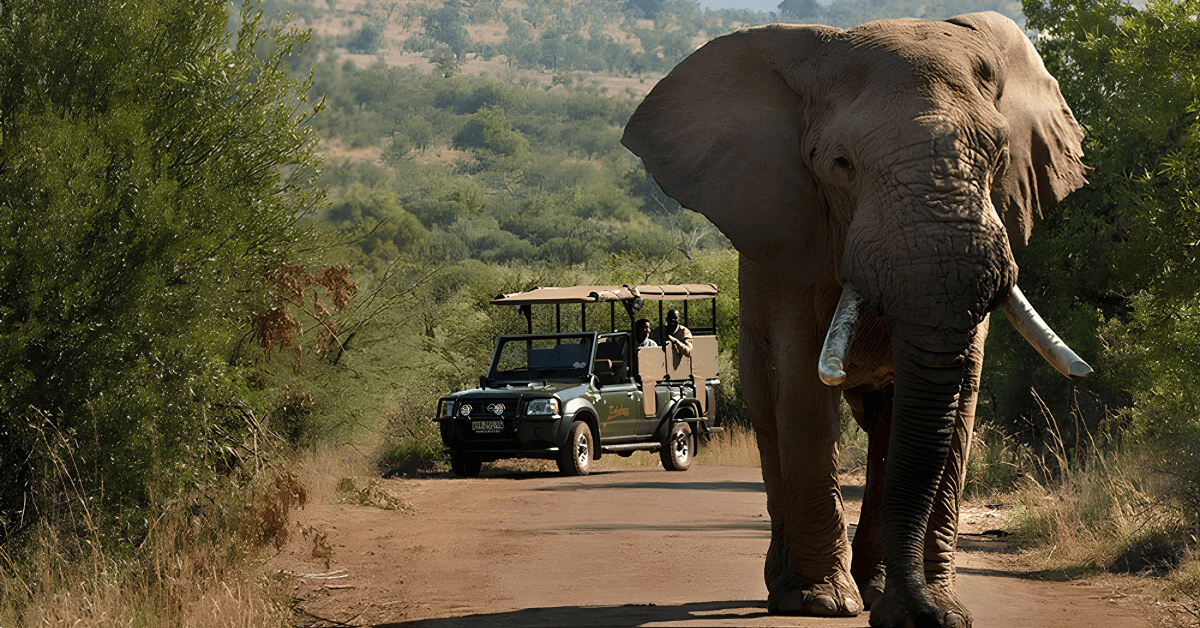
South Africa's safari portfolio is remarkably broad, spanning vastly different environments and travel styles. Kruger National Park remains the anchor, offering Big Five sightings for both self-drive visitors and those on guided excursions. The private reserves along Kruger's borders, such as Sabi Sand and Timbavati, provide exclusive, high-end experiences with specialist guides. Beyond Kruger, malaria-free reserves like Madikwe and those in the Eastern Cape appeal to families, while KwaZulu-Natal combines game viewing with wetlands and coastal attractions.
This diversity means South Africa can cater to luxury travelers, budget-conscious national park visitors, and everyone in between. Such range makes the industry less vulnerable than markets that rely solely on high-cost, guided packages.
Conservation as a booking driver
Conservation is no longer a behind-the-scenes activity; it is increasingly a reason travelers choose a destination. Many reserves now invite guests to learn about anti-poaching efforts, habitat restoration, and citizen-science projects. Visitors can meet researchers and community members involved in protecting wildlife, adding a meaningful layer to their stay.
Domestic tourism has proven a vital second pillar for the safari industry. When international arrivals halted during the pandemic, South Africans flocked to national parks and took shorter bush breaks, helping sustain the sector. That habit has persisted: domestic overnight trips reached 13.9 million in the final quarter of 2025, up 27.5% year on year. While travelers are watching budgets, more people are still taking to the road, supporting campsites and mid-priced lodges and reducing dependence on international luxury travelers alone.
Technology transforms the safari experience
Technology is reshaping how safaris are planned and experienced. Travelers now use AI tools to research routes, compare destinations, and book permits digitally. SANParks, the national parks authority, has consolidated bookings, Wild Cards, gate tickets, and activity permits into a single online account system. In the field, camera traps and tracking collars aid conservation teams in monitoring wildlife. Lodges are also learning to balance this rapid tech integration with the growing demand for digital-detox holidays.
Looking ahead to 2026, safari trends point toward longer, more immersive stays. Specialist photographic safaris and wellness retreats in the bush are gaining traction. Astro-tourism is drawing attention to South Africa's dark skies, while regenerative travel encourages visitors to support places that actively restore habitats and livelihoods.
South Africa's leadership in the African safari market stems from an industry that feels both timeless and unmistakably modern—wilder in some places, smarter in others, and open to every kind of traveler. As the sector continues to innovate, it offers a model for other destinations seeking to balance growth with conservation and community benefit.