Food has long been a pleasant byproduct of travel, but Agoda's 2026 Travel Outlook Report suggests it is now the main reason many Asian travelers pack their bags. Released to coincide with World Food Day on October 16, the report identifies six destinations across the region where culinary experiences are the primary draw, signaling a shift in how tour operators and destination marketers should position their offerings.
Six destinations where food leads the itinerary
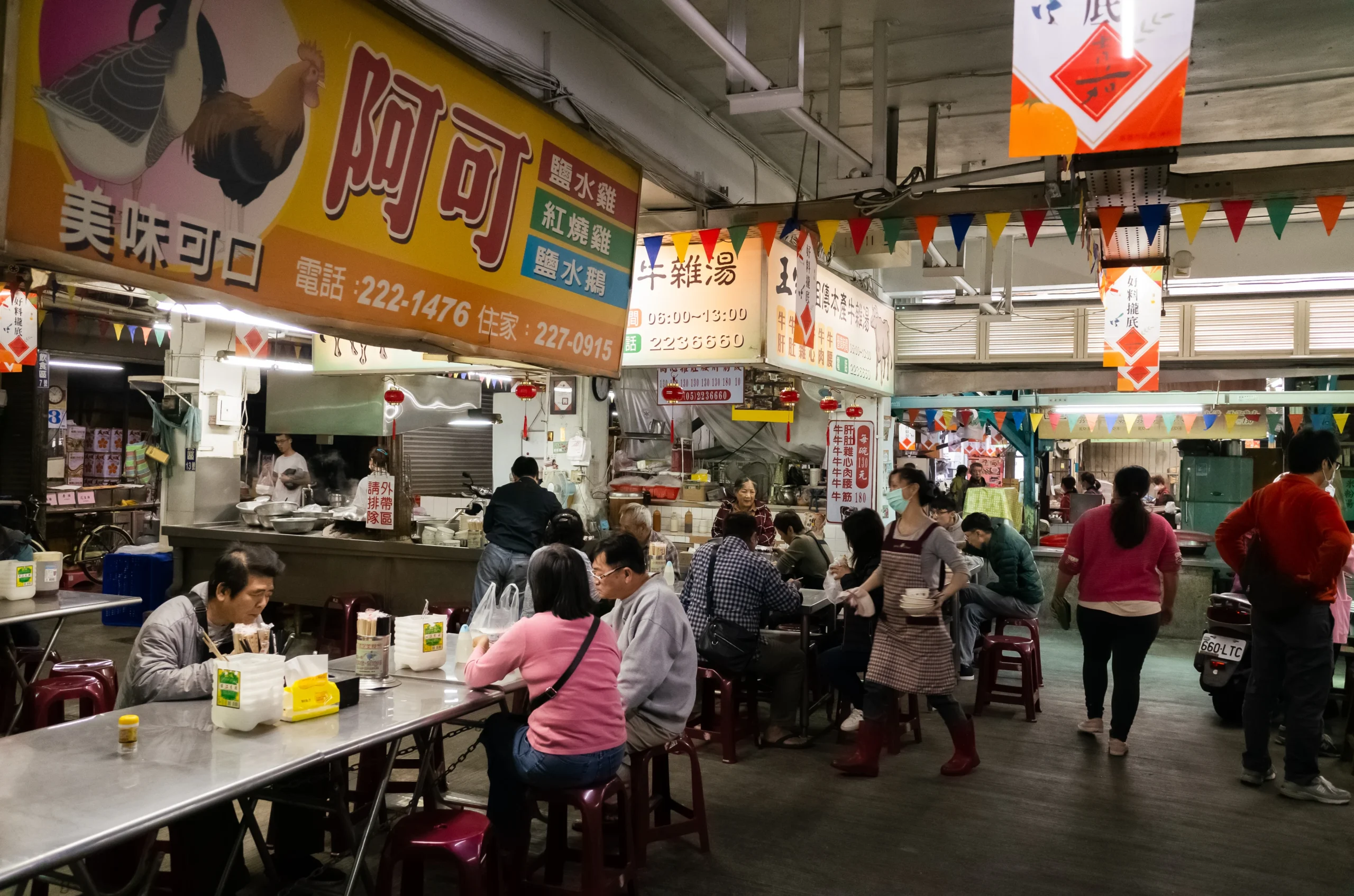
In Taiwan, the city of Chiayi is gaining attention for its signature turkey rice—a deceptively simple dish of shredded turkey over rice, often served with pickled radish. The dish anchors the bustling Wenhua Road Night Market, which has become a magnet for food-focused visitors. For travel agents building Taiwan itineraries, Chiayi offers a distinct alternative to Taipei's more established food scene.
Vietnam's Dong Van, located in the northern highlands near the Chinese border, is another emerging culinary stop. The town is known for buckwheat pancakes and noodles, which are especially celebrated during the autumn buckwheat bloom and festival. This seasonal event provides a natural hook for tour operators looking to offer cultural and gastronomic immersion.
South Korea's Andong is spotlighted for its jjimdak—a braised chicken dish with vegetables and glass noodles—and Andong sikhye, a traditional rice drink. These dishes are deeply tied to the city's Confucian heritage, making Andong a compelling addition to Korea itineraries that already include Seoul or Busan.
Japan's Shodoshima island, in the Seto Inland Sea, is described as a haven for food travelers interested in olive groves, soy sauce breweries, and hand-stretched somen noodles. The winter production peak offers a behind-the-scenes look at these crafts, aligning with the growing demand for experiential travel in Japan's regional areas—a trend highlighted in Japan's regional destinations gaining ground.
In Thailand, Chiang Rai is recognized for nam ngiao, a northern Thai noodle soup with a rich, spicy broth, often paired with local sausages and chili dips. The city's Loi Krathong festival later in the year adds a cultural layer that could appeal to MICE planners seeking unique venues.
Finally, Iloilo City in the Philippines tempts visitors with batchoy, a hearty noodle soup, and the vibrant Dinagyang Festival in January. For cruise lines and tour operators, Iloilo offers a less-traveled alternative to Manila or Cebu.
Implications for the travel industry
Andrew Smith, Senior Vice President of Supply at Agoda, noted, "Food can put a place on someone's travel list before they know what else is there." This insight underscores the need for destination marketers to integrate culinary assets into their broader promotional strategies, rather than treating them as secondary attractions.
The report's findings align with broader industry trends. Agoda has been expanding its partnerships, such as the recent digital storefront at Marina Bay Sands, and its data on Oktoberfest attendance shows that Asian travelers are increasingly seeking authentic local experiences beyond major cities. For hoteliers and DMCs, this means developing food-centric packages and partnerships with local eateries.
Travel agents can leverage these insights to craft culinary-themed itineraries, while airlines might consider new routes to secondary cities like Chiayi or Dong Van, which currently lack direct international connectivity. The trend also presents opportunities for food and beverage directors in hotels to collaborate with local chefs, as seen in recent moves like Chadi Saloum's return to The Cove Rotana Resort.
As the 2026 outlook suggests, food-led travel is not a passing fad but a structural shift in consumer behavior. Destinations that invest in culinary infrastructure and storytelling will be better positioned to capture this growing segment.