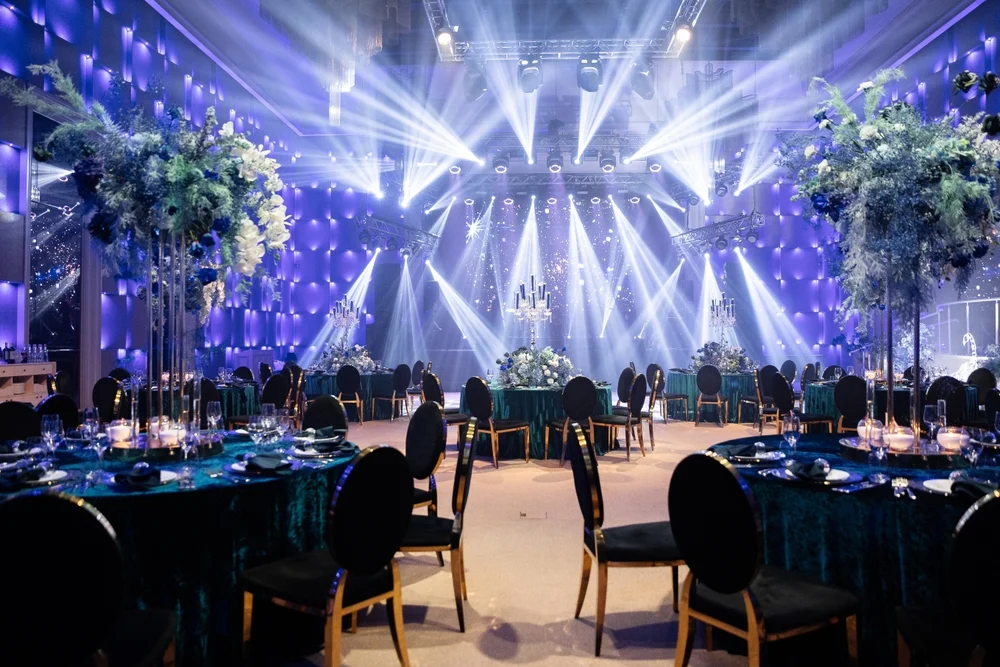
As international MICE demand rebounds, hotels are accelerating adoption of digital twin technology to streamline venue selection and shorten sales cycles. Spalba, an event-tech platform founded by Vishal Puri, has emerged as a key player in this shift, offering hyper-realistic 3D event visualization and a venue marketplace that connects planners with properties worldwide.
Puri, speaking with Travel Daily Media, emphasized that Spalba's initial focus was on building supply: digitizing properties and onboarding hotel partners. Today, with more than 12,000 venues listed and over 3,350 event spaces fully digitized, the platform has turned its attention to deepening demand. “We already have 7,000+ users from agencies and corporates using Spalba, and the opportunity is to continue building that buyer-side depth,” Puri said.
Measurable Impact on Hotel Sales
Hotels using Spalba’s digital twin and Auto Layout Wizard have seen sales cycles cut by up to 60%, according to Puri. The platform has generated 14,790+ event enquiries, with hoteliers reporting a 35% enquiry-to-conversion rate. Because all RFPs through Spalba are commission-free, the economics of conversion are structurally better than traditional channel sales. Puri noted a more than 90% renewal rate among hotel partners, calling it “the metric I find most telling.”
“When a planner can virtually walk a venue, see a hyperrealistic layout of their event setup in the actual space, and shortlist with confidence, the traditional back-and-forth of the discovery phase compresses significantly,” Puri explained.
Overcoming Behavioral Resistance
Puri acknowledged that the biggest challenge has been behavioral, not technological. Luxury hotels with legacy sales infrastructure—large banquet teams, senior GMs, and a long history of face-to-face relationship selling—were initially resistant. “What we had to help them see is that a digital twin does not replace the site visit; it earns it,” he said. “When a planner has already virtually walked the space, the site visit becomes a confirmation rather than a discovery call.”
Younger revenue managers and properties competing for international MICE business are now driving adoption. Puri noted that hyper-realistic walkthroughs are as effective as physical site visits in many aspects, allowing planners to measure dimensions quickly and accurately.
Differentiation Beyond 3D Walkthroughs
Spalba’s strongest differentiator, Puri said, is not the digital twin itself but the full capability stack surrounding it. The platform provides venues with high-quality leads, automated layout generation, and integration with existing sales workflows. This stack helps hotels shorten sales cycles and improve conversion rates, making the platform a comprehensive tool for MICE sales teams.
The rebound in international MICE demand is creating urgency for hotels to digitize their event spaces. As Puri put it, “Every high-quality digitised property raises the value of the platform for planners. Every converted enquiry validates the investment for the hotel.” With the flywheel of supply and demand compounding, Spalba is positioning itself as the digital infrastructure for the future of the events industry.
For travel professionals tracking MICE trends, the shift toward digital twins is worth monitoring. As more hotels adopt these tools, the competitive landscape for venue selection is likely to evolve rapidly. For related insights on how technology is reshaping travel, see our coverage of Mekong Tourism Forum 2026 and APAC hotel performance trends.