The United Arab Emirates' real estate sector is projected to grow to AED 2.98 trillion by 2031, according to data from Statista Market Insights. This expansion, driven by strong investor confidence, population increases, and foreign direct investment, is reshaping the country's urban landscape and creating significant opportunities for the travel industry.
For travel professionals—including hoteliers, cruise lines, tour operators, and MICE planners—this growth translates into a wave of new developments. Residential, commercial, and mixed-use projects are proliferating across Dubai, Abu Dhabi, and other emirates, directly supporting the construction of hotels, resorts, and convention centres. The UAE's status as a global business and lifestyle hub continues to attract both leisure and corporate travellers, reinforcing demand for premium accommodation and event spaces.
Visualisation Technology Aids Complex Projects
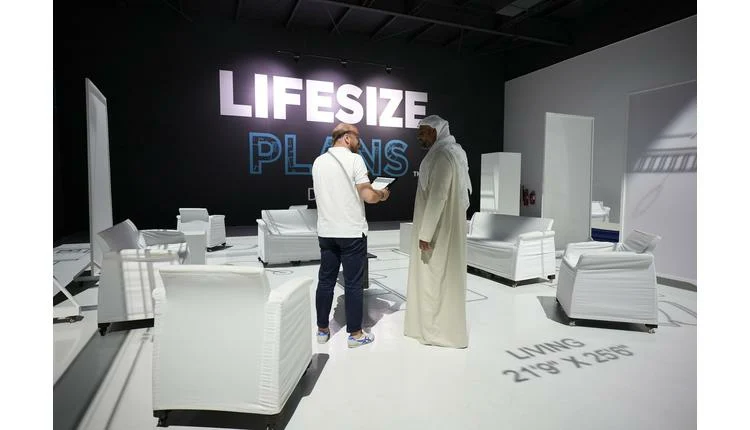
As projects become more ambitious, developers are turning to advanced tools to streamline planning and sales. Lifesize Plans Dubai, a specialist in life-sized architectural projections and immersive visualisation solutions, has been active in the market since its UAE launch in 2023. The company provides 1:1 scale visualisations that help architects, investors, and hotel groups make informed decisions during the design and pre-sales phases.
Georges Calas, CEO of Lifesize Plans Dubai, commented: “The UAE's projected real estate market growth reflects the country's ability to attract global investors and residents through a combination of visionary planning, world-class infrastructure, and a highly supportive business environment.” Such tools are particularly valuable for large-scale hospitality and MICE venues, where spatial accuracy and guest experience are critical.
The trend aligns with broader shifts in the travel industry, where MICE industry shifts to premium markets and local supply chains amid cost pressures are prompting organisers to seek venues that offer both efficiency and luxury. The UAE's real estate boom is expected to deliver more such spaces, from convention centres in Dubai to integrated resorts in Ras Al Khaimah.
Implications for Airlines, Hotels, and Tour Operators
The projected growth also has direct implications for aviation and hospitality. Emirates and Etihad Airways are likely to see increased demand as new residential and commercial projects attract expatriates and tourists. Hotel groups such as Accor, Marriott, and IHG are expanding their portfolios in the region, with brands ranging from economy to ultra-luxury. For tour operators, the influx of new attractions and accommodation options offers fresh inventory for packages targeting both leisure and business travellers.
Additionally, the UAE's focus on innovative planning solutions is expected to enhance transparency and efficiency in project delivery. This is particularly relevant for travel-tech vendors and GDS systems like Amadeus and Sabre, which rely on accurate data to optimise booking and distribution channels. As the market matures, demand for integrated technology platforms that connect real estate development with travel services will likely grow.
The real estate forecast also underscores the UAE's resilience as a destination. Despite global economic uncertainties, the country continues to implement major development strategies, including the Dubai 2040 Urban Master Plan and Abu Dhabi's Economic Vision 2030. These initiatives are designed to sustain long-term growth in tourism and business travel, reinforcing the UAE's position as a leading hub for the global travel industry.
For travel professionals monitoring the region, the AED 2.98 trillion projection signals a period of sustained investment and opportunity. Whether through new hotel openings, expanded MICE facilities, or enhanced airlift capacity, the UAE's real estate market is set to remain a key driver of travel industry growth through the next decade.