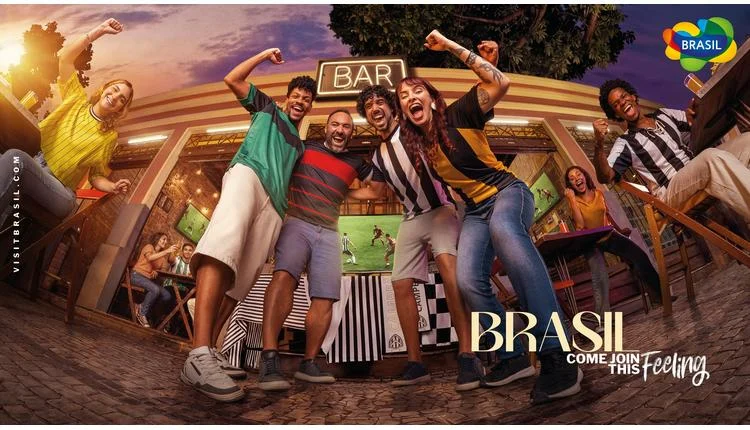
Visit Brasil has unveiled a new marketing campaign, "Come Join This Feeling", designed to draw international travelers to Brazil by tapping into the nation's deep-rooted football culture. Launched initially in the United States, the initiative aligns with the build-up to the FIFA Women's World Cup 2027, which Brazil will host across multiple cities.
The campaign positions Brazil as a destination where sport, culture, and hospitality converge, aiming to convert football enthusiasm into tangible tourism growth. Bruno Reis, President of Embratur/Visit Brasil, stated: "Football is a powerful tool for international promotion and business generation in tourism, and no country has more tradition and history in the sport than Brazil." The strategy seeks to leverage the global visibility of the Women's World Cup to drive visitor numbers and economic impact.
Campaign Strategy and Target Audience
The campaign's centerpiece is a film that portrays football as an integral part of Brazilian identity, featuring scenes of street matches, samba drumlines, and fan gatherings. It emphasizes inclusivity, inviting international visitors to participate in local festivities rather than merely observe. Targeting sports enthusiasts and adventure seekers, the campaign will deploy tailored content across digital platforms, alongside partnerships with airlines and travel agencies to extend its reach.
This approach aligns with Brazil's broader tourism marketing plan, which prioritizes innovation, diversity, and sustainability. The campaign also complements efforts by other destinations to use major sporting events as tourism catalysts, such as VisitScotland's Tartan Taxis in Boston during a football tournament.
Host Cities and Infrastructure
As Brazil prepares to host the FIFA Women's World Cup 2027, cities like Rio de Janeiro and São Paulo are expected to welcome visitors with their rich cultural offerings and renowned hospitality. The campaign underscores Brazil's unique ability to transform sporting events into immersive cultural experiences, potentially boosting bookings for hotels, airlines, and tour operators.
Travel professionals should note that this campaign could drive demand for packages combining match tickets with cultural tours, similar to how Fliggy's tech-focused inbound tours have capitalized on surging Chinese outbound travel. For airlines, increased traffic on routes to Rio de Janeiro-Galeão (GIG) and São Paulo-Guarulhos (GRU) is likely, especially from North American hubs like Miami (MIA) and New York (JFK).
Industry Implications
The campaign's focus on digital engagement and partnerships suggests opportunities for travel-tech vendors and GDS systems like Amadeus and Sabre to integrate football-themed itineraries. Hoteliers in host cities may see increased demand for group bookings and MICE events tied to the World Cup, while tour operators can develop specialized packages around football culture and samba experiences.
Visit Brasil's initiative mirrors successful sports tourism campaigns elsewhere, such as Yas Island's 'The Answer Is Yas' campaign, which achieved record metrics by blending entertainment and sports. For Brazil, the challenge will be to sustain momentum beyond the tournament, ensuring that the country remains a top destination for football-themed travel in the long term.
With the Women's World Cup still two years away, the campaign provides a runway for travel industry stakeholders to prepare offerings. Reis emphasized that football is not just a sport but a business driver: "No country has more tradition and history in the sport than Brazil." The campaign's success will depend on how effectively it converts football passion into bookings across airlines, hotels, and tour operators.