Agoda's latest data reveals that 40% of visitors to Singapore return within two years, a trend that underscores shifting traveler preferences toward shorter, more immersive stays. The finding, part of Agoda's 2026 Travel Outlook Report, highlights a growing appetite for what the platform terms 'micro-trips' — journeys lasting one to three days that blend business and leisure.
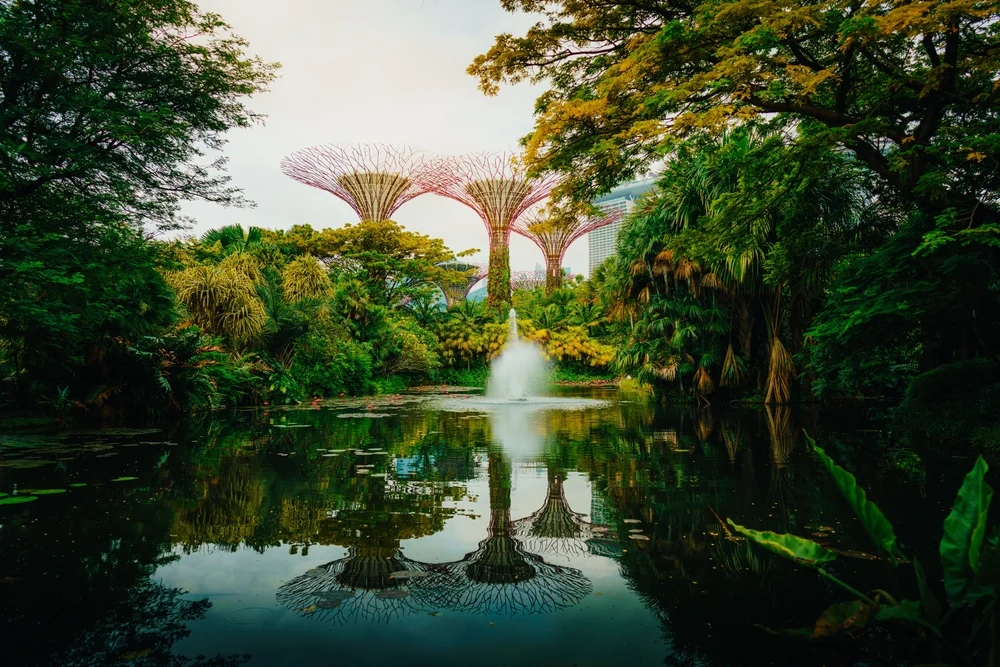
Repeat visitors are increasingly bypassing iconic attractions such as Sentosa and Gardens by the Bay in favor of lesser-known spots like Fort Canning Park, Punggol Waterway Park, and MacRitchie Reservoir. This pivot toward hidden gems suggests a maturing travel market where personalization and discovery outweigh checklist tourism.
Implications for Singapore's Tourism Ecosystem
For hoteliers, the data signals an opportunity to tailor packages for short-stay repeat guests. Properties like InterContinental Singapore Robertson Quay, which recently celebrated its 80th anniversary with a multi-faceted campaign, could leverage this trend by offering curated local experiences. Similarly, Pan Pacific Singapore, which recently elevated its MICE leadership, might design event packages that incorporate quick cultural immersions for delegates.
Tour operators and travel agents should note that repeat visitors are seeking authentic, time-efficient itineraries. Rather than full-day tours of standard sights, micro-trip travelers prefer half-day excursions to nature reserves or heritage neighborhoods. Agoda's data suggests that these visitors are more likely to book directly through digital platforms, making it essential for agents to integrate with OTA systems like Agoda's own booking engine.
From an aviation perspective, the trend supports increased frequency on short-haul routes. Airlines such as Singapore Airlines and regional carriers like Scoot could benefit from promoting weekend getaways from nearby hubs like Kuala Lumpur, Bangkok, and Jakarta. The data also aligns with broader industry moves, such as Saudi Arabia's 91% increase in China flight capacity, which reflects a global push to capture high-spend repeat travelers.
For the MICE sector, the micro-trip phenomenon presents both a challenge and an opportunity. While longer conventions may see reduced attendance, shorter, more focused business events could thrive. The Lions International Convention's return to Hong Kong demonstrates how major events can still draw repeat visitors, but Singapore's tourism board may need to market the city-state as a hub for compact, high-impact gatherings.
Agoda's report also notes that repeat visitors spend more per trip on experiences than first-timers, a pattern that luxury travel providers can exploit. Cruise lines like Oceania Cruises, which recently revealed 2027 specialty voyages with celebrity hosts, could offer Singapore stopovers as part of shorter itineraries. Similarly, river cruise operators such as AmaWaterways, with its upcoming AmaRudi, might consider Southeast Asian river routes that include Singapore as a turnaround point.
Technology vendors should take note: the preference for micro-trips demands seamless booking and itinerary management tools. Agoda's own platform already offers flexible date searches and last-minute deals, but third-party GDS systems like Amadeus and Sabre could integrate micro-trip filters to help agents serve this growing segment.
Ultimately, Singapore's appeal as a dynamic destination is reinforced by this data. The city-state's compact size, efficient transport, and diverse offerings make it ideal for repeat visits. As travelers continue to prioritize quality over quantity, the tourism industry must adapt by promoting off-the-beaten-path attractions and flexible packages that cater to the micro-trip mindset.