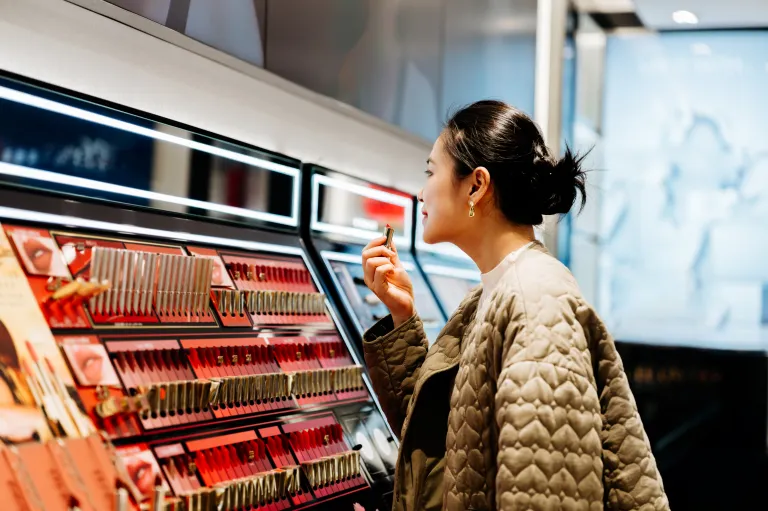
Asian retail tourism is experiencing a notable resurgence, driven largely by the beauty sector. Travelers are increasingly planning trips around cosmetic shopping, dermatological treatments, and wellness retreats, transforming cities like Seoul, Tokyo, and Shanghai into must-visit destinations for beauty enthusiasts. For travel professionals—from airline executives to hoteliers and tour operators—this trend presents a significant opportunity to capture high-spending visitors.
Market Growth and Global Projections
A May 2026 report from India’s IntelMarketResearch indicates the global beauty travel retail market is expanding at a compound annual growth rate (CAGR) of 5.5 percent. The sector is expected to be worth US$18.02 billion by the end of this year and reach US$24.68 billion by 2034. Key drivers include rising international tourism, premium beauty demand, airport retail expansion, and evolving traveler spending behavior. According to the report, “As travelers increasingly seek luxury, convenience, exclusivity, and personalized shopping experiences, global beauty giants are aggressively investing in duty-free retail channels, airport boutiques, cruise retail, and digital travel commerce platforms.”
South Korea: The Beauty Powerhouse
South Korea remains a dominant force in beauty tourism. Data from Cushman & Wakefield shows the country welcomed 16.4 million foreign visitors in 2024, many arriving specifically for cosmetics and skincare. The boom is heavily influenced by social media, particularly among travelers aged 18 to 40, who now structure itineraries around beauty shopping, aesthetic clinic visits, and luxury wellness retreats. A Seoul-based dermatologist noted, “We have seen a noticeable increase in foreign patients over the past few years, in addition to our domestic customers. Many Japanese visitors come for laser lifting procedures, wrinkle treatments and pigmentation removal. Demand has increased enough that we are strengthening our social media marketing specifically targeting Japanese tourists.”
Korean beauty brands and medical facilities are responding by integrating shopping, dining, and medical services into cohesive customer journeys. Investments in flagship stores that double as brand experience hubs are rising, alongside improvements in multilingual services, digital payments, and exclusive offerings. This aligns with broader efforts by the Korea Tourism Organisation to deepen ties with digital platforms like Klook to drive regional travel and innovation.
China’s Rising Appeal
While South Korea and Japan—home to brands like Shiseido and Canmake—continue to attract global beauty shoppers, China is emerging as a serious contender. A March 2026 report from Channel News Asia highlighted that local brands such as Catkin and Lanbena now account for over 60 percent of the US$141 billion Chinese beauty market. Shanghai-based JOY Group expanded to Singapore in 2025, signaling growing acceptance of C-beauty products abroad. As the report noted, “Overseas demand is growing fast, but remains smaller in absolute terms. The Chinese domestic market is still dominant, and it is still gaining traction in the Southeast Asian and Japanese markets.”
For travel industry stakeholders, this shift means new opportunities in destinations like Shanghai and Singapore, where beauty retail is increasingly integrated with tourism infrastructure. Hoteliers and tour operators can leverage this by offering curated beauty and wellness packages, while airlines may see increased demand on routes connecting major Asian hubs.
Implications for Travel Professionals
The beauty tourism trend underscores the importance of retail as a primary travel motivator. Airport retailers, cruise lines, and hotel groups should consider partnerships with beauty brands to create exclusive, experiential shopping opportunities. For example, Frasers Hospitality is expanding its Asian footprint, and properties in beauty-centric cities could benefit from targeted amenities. Similarly, EVT Hotels & Resorts has appointed a new EVP for Asia to drive regional growth, signaling the sector’s focus on capturing this demand.
As the beauty travel retail market matures, travel professionals who adapt their offerings—from in-flight duty-free to destination packages—will be best positioned to capture the spending of this lucrative demographic.