The global adventure travel market is undergoing a decisive shift. Passive sightseeing—the kind of coach-tour, photo-stop itinerary that defined 20th-century tourism—is losing ground to a more demanding, experience-led model. Today's travelers, particularly those from long-haul source markets, are seeking physical challenge, skill acquisition, and authentic cultural exchange. This evolution is reshaping destination strategies across Central Asia and Mongolia, where dramatic topography offers a natural advantage.
According to industry analysts, the region's appeal lies in its raw, unpolished landscapes—from the Pamir Highway in Tajikistan to the Altai Mountains in Mongolia. But converting this potential into sustainable commercial success requires deliberate investment in infrastructure, product design, and regional cooperation.
From soft adventure to skill-based immersion
Tour operators in the region are moving beyond short horseback rides and camel treks. The new wave of product development focuses on multi-week expeditions that test endurance and teach practical skills. For example, Kyrgyzstan's Jyrgalan Valley is being positioned for backcountry ski touring, while Mongolia's Altai region is emerging as a destination for mountaineering academies.
Winter, traditionally a dead season, is now seen as a high-value opportunity. Dog-sledding along frozen rivers, fat-biking on self-supported routes, and eagle-hunting gatherings during the autumn months are being packaged as premium experiences that require genuine stamina. These offerings align with a broader trend toward immersive travel demand that prioritizes participation over observation.
Community-led experiences as a differentiator
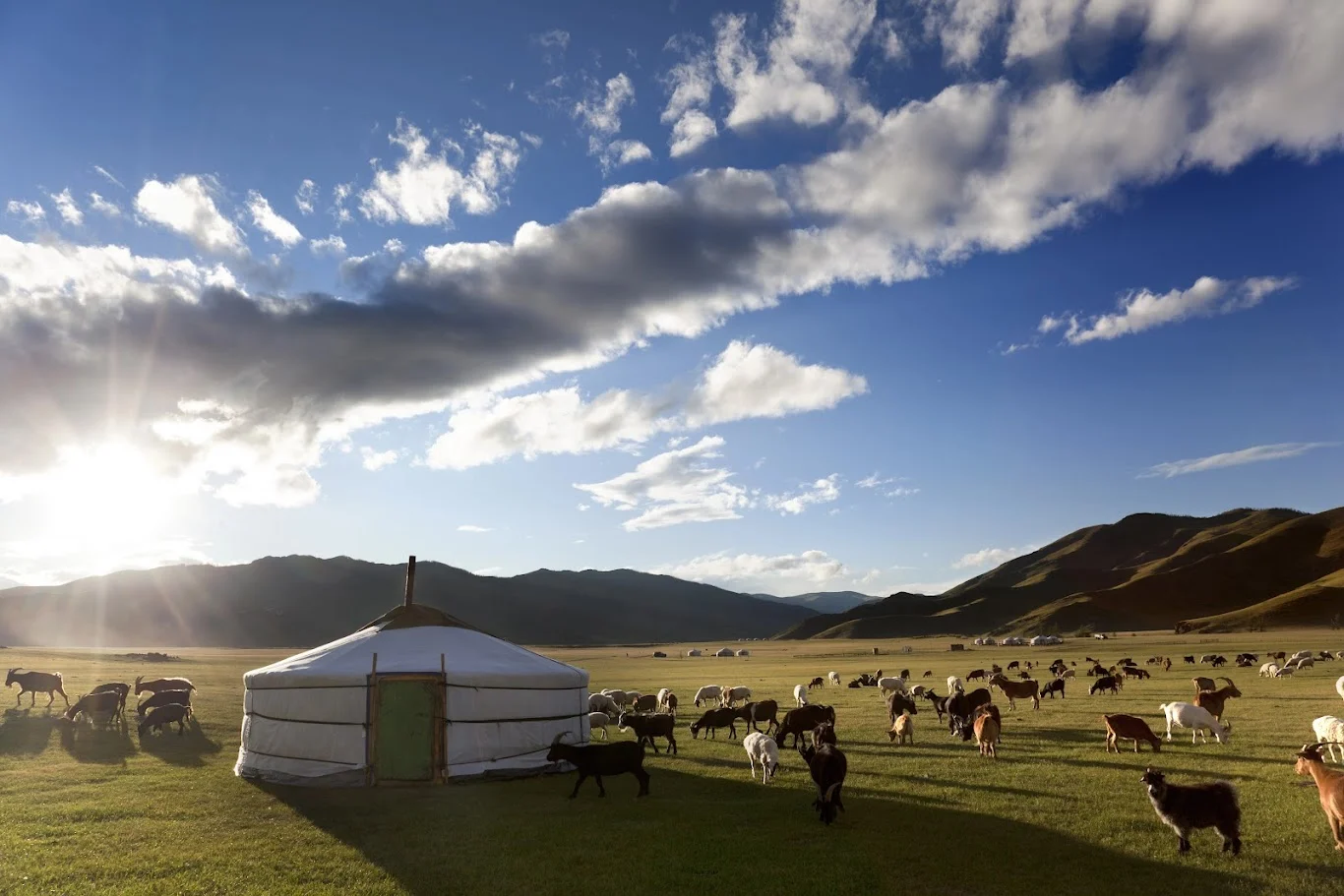
Local communities are no longer just hosts—they are co-creators of the experience. Kyrgyzstan's network of woman-run homestays, which has gained international recognition, is a model for how tourism revenue can flow directly into rural economies. Operators are also integrating travelers into daily life: migrating with Mongolian herders in traditional gers, assisting the Tsaatan people with reindeer herding in the remote taiga, or learning culinary traditions in Uzbek homes.
This shift away from staged performances toward genuine integration is critical. As one tour operator in Bishkek noted, "Travelers can tell the difference between a show and a real exchange. The latter creates lasting memories and repeat visits."
Citizen science and conservation tourism
Environmental consciousness is driving demand for trips that contribute to preservation. Central Asia and Mongolia are formalizing citizen-science initiatives in partnership with national parks such as Kazakhstan's Altyn-Emel and Mongolia's Hustai. Travelers can assist rangers in tracking endangered species like the saiga antelope, snow leopard, and Przewalski's horse.
To minimize ecological impact, operators are implementing strict protocols, including designated grazing boundaries for trekking groups. These measures ensure that fragile nomadic ecosystems remain intact while still allowing visitors to experience them.
Connectivity and policy reforms
Geographic fragmentation remains a major barrier. A unified regional adventure visa—building on recent visa simplifications in Uzbekistan and Kyrgyzstan—could unlock seamless multi-country itineraries. The recent visa-free entry for Indian tourists is a step in the right direction, but a broader approach is needed.
Standardized gear-rental hubs in Ulaanbaatar and Almaty would allow travelers to rent expedition tents, satellite communication devices, and GPS equipment locally, reducing the burden of international baggage and keeping revenue in the region. Such infrastructure is essential for attracting the high-value adventure segment.
As the travel industry pivots toward purposeful, active experiences, Central Asia and Mongolia are well-positioned to become global leaders. By pairing rugged geography with community-first frameworks and policy innovation, they can transcend their reputation as remote frontiers and capture a growing share of the adventure travel market.