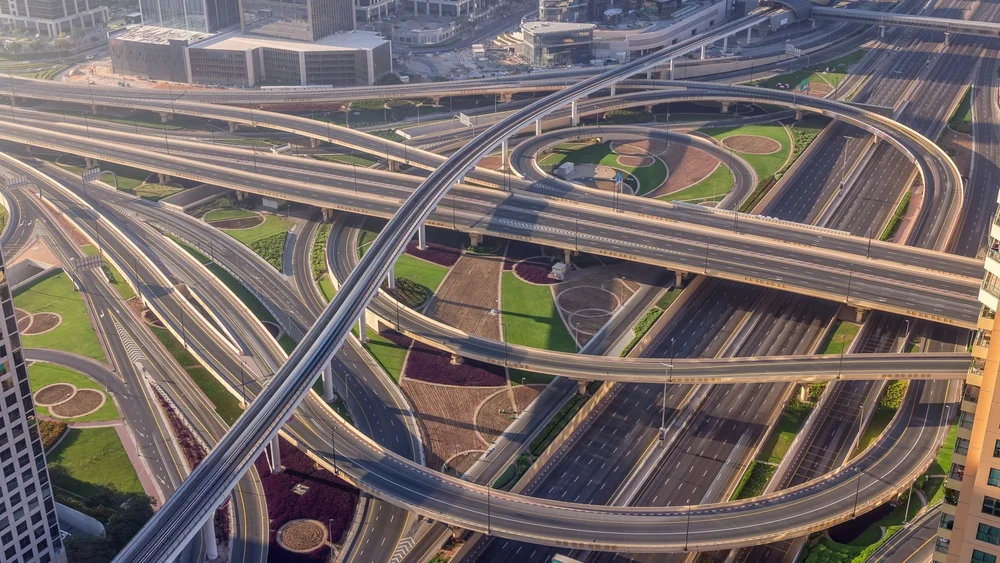
Dubai's Roads and Transport Authority (RTA) has announced a five-year plan to expand the emirate's soft mobility network through 2030, focusing on walking, cycling, and e-scooter infrastructure. The initiative aims to solve the 'last-mile' challenge by creating seamless connections between public transport hubs and surrounding communities, supporting Dubai's broader sustainability goals under the Dubai 2040 Urban Master Plan.
Connecting Communities and Enhancing Mobility
Under the programme, the RTA will link 25 residential communities with 63 Metro and bus stations using dedicated walking paths, cycling tracks, e-scooter corridors, and shared mobility services. This integrated approach encourages residents and visitors to combine public transport with active travel modes, reducing reliance on private cars for short distances. The strategy reflects a shift from building more roads to creating complete, multimodal journeys.
Dubai recorded 342 million pedestrian journeys in 2025, alongside 57.3 million bicycle trips and 39.6 million e-scooter journeys. Cycling and e-scooter usage grew by approximately 23% year-on-year, indicating that soft mobility is becoming a mainstream commuting option rather than a recreational activity. The figures underscore growing public confidence in alternative transport as Dubai invests in safer cycling routes and micromobility services.
Implications for Tourism and Hospitality
While the strategy primarily targets residents, its impact on tourism is significant. Visitors already use the Dubai Metro to access major attractions, but the final stretch between stations and hotels often requires a taxi. Improved walking routes, cycling infrastructure, and e-scooter access could make these journeys quicker, cheaper, and more enjoyable. Better first- and last-mile connectivity encourages visitors to explore beyond traditional hotspots, spreading tourism spending across local businesses.
Hotels near Metro stations stand to benefit as enhanced pedestrian connectivity makes public transport a practical option for guests. Properties can promote walkability, cycling routes, and proximity to integrated mobility hubs as key selling points. Destination management companies may develop neighbourhood-based itineraries combining Metro travel with guided walking tours or cycling experiences, offering a more immersive way to discover Dubai. For travel advisors, the initiative strengthens Dubai's position as a destination that combines world-class infrastructure with sustainable urban mobility—an increasingly important consideration for environmentally conscious travellers.
Part of a Broader Mobility Vision
The soft mobility programme complements major transport investments reshaping the emirate, including the Metro Blue Line and the recently announced Gold Line. New road corridors are being designed with dedicated cycling infrastructure, integrating walking and cycling into a broader mobility ecosystem where Metro, buses, shared mobility services, and pedestrian networks function as one connected system. This holistic approach aligns with evolving traveller preferences for destinations that can be explored on foot or by bicycle, allowing visitors to experience neighbourhood cafés, waterfronts, and cultural districts at a slower pace.
Global travellers increasingly judge destinations by how easily they can move around. Cities that make public transport seamless, safe, and connected encourage visitors to stay longer, explore further, and spend more widely. Dubai's latest initiative reflects this changing reality, investing in the often-overlooked final stretch of every journey—a relatively modest infrastructure upgrade with potentially far-reaching benefits for residents, businesses, and the tourism sector alike.
For more on regional connectivity, see flydubai Doubles Bangkok Capacity with Second Daily Don Mueang Flight. The shift also aligns with broader trends in sustainable travel, as highlighted in Gen Z Demands Seamless, Sustainable Travel Loyalty: Agoda Survey.