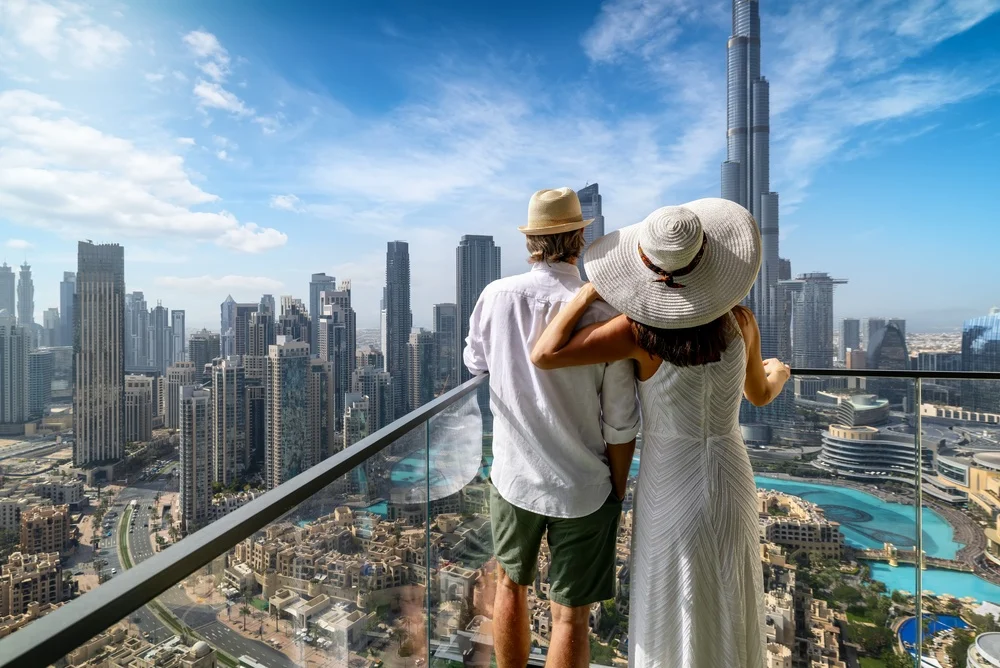
Dubai has long used infrastructure as a strategic lever for growth, and the current wave of investment is no exception. As global tourism demand hits record highs, the emirate is focusing on transport connectivity, smart mobility, and urban development to shape how residents, visitors, and businesses experience the destination. For travel professionals—from airline executives at Emirates and flydubai to hoteliers at Jumeirah Group and Emaar Hospitality—these projects signal the foundations of Dubai's next growth chapter.
Building a More Connected Destination
Managing growth is a key challenge for successful tourism destinations. Dubai's answer includes major transport projects designed to improve connectivity within the city and across the UAE. The continued expansion of Etihad Rail will eventually link all seven emirates, enabling faster travel between destinations. For tour operators, this opens the possibility of multi-emirate itineraries that combine Dubai's urban attractions with Abu Dhabi's cultural sites or Fujairah's beaches in a single trip.
The planned Dubai Metro Gold Line is expected to boost public transport capacity while connecting emerging residential, commercial, and tourism hubs. For business travellers attending events at the Dubai World Trade Centre or leisure visitors heading to new waterfront districts, seamless transport is becoming a competitive advantage. As destinations grow more crowded, efficient networks directly influence visitor satisfaction and repeat visits.
Making It Easier to Move Around the City
Dubai's infrastructure ambitions extend beyond roads and rail. The Dubai Loop project aims to create a high-speed underground system to reduce congestion and cut journey times. Meanwhile, the Roads and Transport Authority (RTA) is deploying AI-powered traffic management systems that analyse real-time patterns to improve road efficiency and reduce bottlenecks.
These initiatives have a direct impact on tourism. Less time in traffic means more time for attractions, dining, shopping, or events. For MICE organisers, efficient transport can make the difference between a productive conference and a frustrating one. In a city where visitors often move between airports, hotels, exhibition centres, and attractions multiple times during a stay, mobility is crucial to the overall experience.
Tourism Infrastructure Beyond Airports and Hotels
Dubai is taking a holistic approach to infrastructure, creating entire ecosystems to support tourism growth. Large-scale developments such as Palm Jebel Ali, new waterfront districts, and mixed-use communities are reshaping parts of the emirate while offering fresh opportunities for hospitality operators, retailers, and entertainment brands. These projects diversify Dubai's tourism offering at a time when travellers seek lifestyle destinations, walkable communities, and integrated leisure districts.
For hotel groups like Accor and Marriott International, this evolution opens opportunities to develop properties in emerging tourism corridors rather than relying solely on established locations. The Dubai Longevity Authority further underscores the emirate's push into wellness tourism, aligning with new urban health innovations.
Why Hospitality Investors Are Paying Attention
Infrastructure investment has long been a strong indicator of future tourism growth. When governments invest in transport and destination development, investors typically follow. Better connectivity increases accessibility, encourages business activity, and often boosts property values over time. Dubai continues to demonstrate this relationship, with new transport links and urban developments attracting significant investment across hospitality, retail, and real estate.
For hotel operators, improved infrastructure creates new demand centres and supports visitor growth. As global tourism becomes more competitive, destinations that offer seamless experiences are best positioned to capture visitor spending. The recent lowering of travel warnings by Australia for key Middle East hubs further boosts Dubai's transit routes, reinforcing its role as a global hub.
Supporting Dubai's Long-Term Tourism Vision
Infrastructure is central to Dubai's broader economic ambitions. The emirate has set ambitious targets for tourism growth over the coming decade, including attracting more international visitors, increasing tourism's contribution to GDP, and strengthening its position as a leading global hub for business and leisure travel. Achieving those goals requires physical infrastructure capable of supporting millions of additional visitors while maintaining high standards.
For the travel and hospitality industry, Dubai's latest infrastructure wave is about creating a destination that is easier to access, easier to navigate, and better equipped to handle record demand. As airlines like flydubai open new routes to Benghazi, the network effect of these investments becomes clear: better connectivity drives more visitors, which in turn fuels further development.