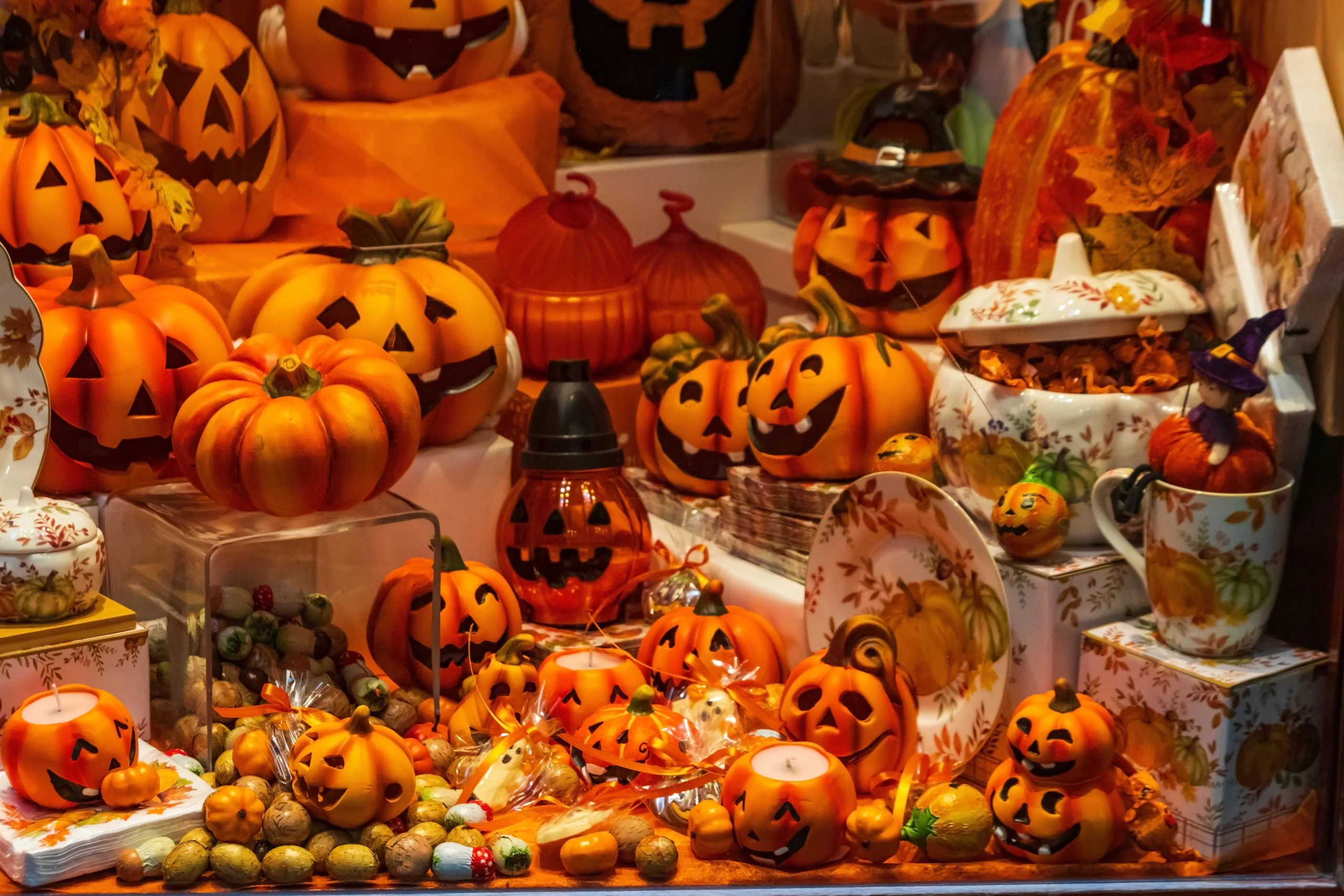
Halloween has evolved from a single night of costumes and candy into a multi-week travel phenomenon, with destinations across Asia, the Middle East, Europe and North America leveraging the holiday to attract visitors. For travel professionals, the season now represents a significant opportunity to drive bookings, extend stays and boost ancillary spending.
According to Airbnb's October 2026 report, searches for Halloween-weekend stays have risen nearly 15% year on year, with Gen Z travellers leading the surge at almost 45% growth. Halloween-themed wishlists have climbed nearly 60%, underscoring the holiday's growing appeal as a travel motivator. With Halloween falling on Saturday, 31 October, the long weekend provides a natural window for short-haul and domestic trips.
Asia's street-level spectacles
In Hong Kong, the Hong Kong Tourism Board is promoting seasonal attractions across the city, including Hong Kong Disneyland and Ocean Park, while nightlife districts and restaurants join the festivities. The city's approach demonstrates how Halloween can extend beyond theme parks into broader urban experiences.
Singapore's Universal Studios is running Halloween Horror Nights 14 on selected nights until 1 November, featuring haunted houses, scare zones and live entertainment. In Taiwan, Banqiao's street parades in New Taipei City turn public spaces into colourful spectacles, drawing crowds of costumed participants and photographers.
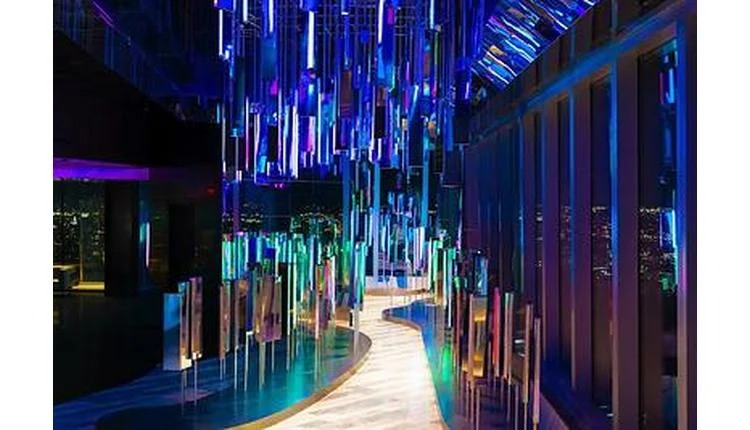
Bangkok's centralwOrld is marking Halloween 2026 with Spooky Boo & Friends, featuring a giant, illuminated 40-metre ghost installation outside the shopping centre, alongside seasonal activities and a parade on 30–31 October. Such events encourage visitors to explore surrounding districts, dine locally and experience the city after dark.
Dubai's extended fright season
Dubai is incorporating Halloween into its established entertainment offering. Dubai Parks and Resorts' Fright Nights IX runs from 7 October to 8 November 2026, with six Halloween mazes, live entertainment and an Adams Family musical show at MOTIONGATE Dubai. LEGOLAND Dubai offers family-friendly activities through 8 November, including costume competitions.
The extended calendar gives residents and international visitors more flexibility to incorporate Halloween into a Dubai holiday, allowing theme parks to promote seasonal experiences over several weeks rather than relying on a single night's attendance. This strategy aligns with the broader trend of Halloween's evolution from a Celtic rite to a global tourism driver.
America's weekend escapes
In the United States, Halloween has become a major seasonal attraction. Airbnb identifies Salem, Massachusetts, as its top-trending US destination for Halloween weekend 2026, drawing visitors to its historical sites, ghost tours and themed events. New York City's 53rd annual Village Halloween Parade on 31 October transforms Greenwich Village into a procession of costumes, puppets and performers, with this year's theme Body & Soul.
Orlando, Florida, is showcasing 94 consecutive days of Halloween celebrations from August to November, including theme park events, haunted attractions and family-friendly activities. This long season allows hotels and attractions to capture demand across multiple weekends.
Europe reconnects with Celtic roots
Derry-Londonderry in Northern Ireland is celebrating the 40th anniversary of Derry Halloween, running from 28 October to 1 November 2026. Inspired by the ancient Celtic festival of Samhain, the programme features illuminated installations, folklore trails, a carnival parade and fireworks. Tourism Ireland reports that its Halloween marketing generated €50 million in incremental inbound bookings last year, highlighting the commercial potential of promoting cultural heritage.
Disneyland Paris offers a family-friendly interpretation with themed decorations, costumed characters and entertainment, appealing to visitors who prefer festive atmosphere to frightening attractions. For operators, the key is to offer a spectrum of experiences, from immersive scares to gentle seasonal fun.
The business behind the scares
Halloween's economic impact is substantial. The US National Retail Federation expects American consumer spending on Halloween to reach US$13.5 billion in 2026, up from US$13.1 billion in 2025, with 74% of consumers planning to celebrate. Nearly half of consumers began shopping in September or earlier, giving retailers and tourism operators a longer window to promote seasonal products and events.
For travel professionals, the takeaway is clear: Halloween is no longer a one-night event but a strategic season. Destinations that combine cultural authenticity, immersive entertainment and extended programming can capture significant share of this growing travel segment. As the holiday's global reach expands, from Dubai's cultural and culinary offerings to Bangkok's Day of the Dead celebrations, the opportunities for hotels, tour operators and destination marketers are multiplying.