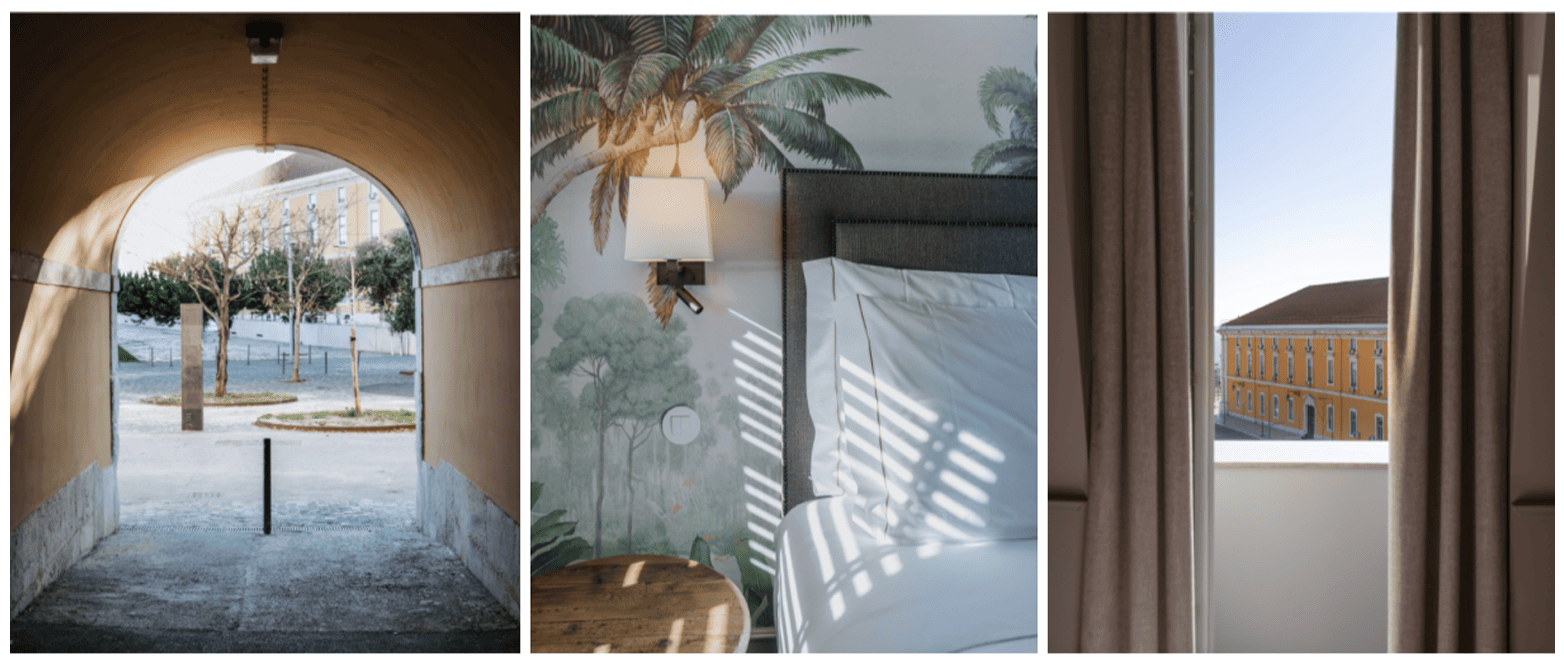
A quiet revolution is underway in hotel design: rooms are shrinking, but the value per square metre is rising. This trend, dubbed "The Incredible Shrinking Hotel Room" by industry observers, was a central topic at the South East Asia Hotel Investors’ Summit (SEAHIS) held recently in Bangkok. During a roundtable discussion, Hilton’s vice-president for development in Southeast Asia, Maria Ariizumi; Brookfield Asset Management vice-president for real estate, Ethan Quek; and Tan Kim Seng, executive director of the Hiap Hoe Group, explored how operators can maximise revenue from every square metre of built space.
From Square Metres to Revenue Per Square Metre
Historically, luxury hotels offered entry-level rooms averaging 45 square metres, while economy properties provided considerably less. Today, the metric has shifted: hoteliers now ask not how large a room is, but how much revenue it generates per square metre. This paradigm reframes public spaces, rooftop amenities, social programming, and shared facilities as revenue-generating ecosystems rather than cost centres.
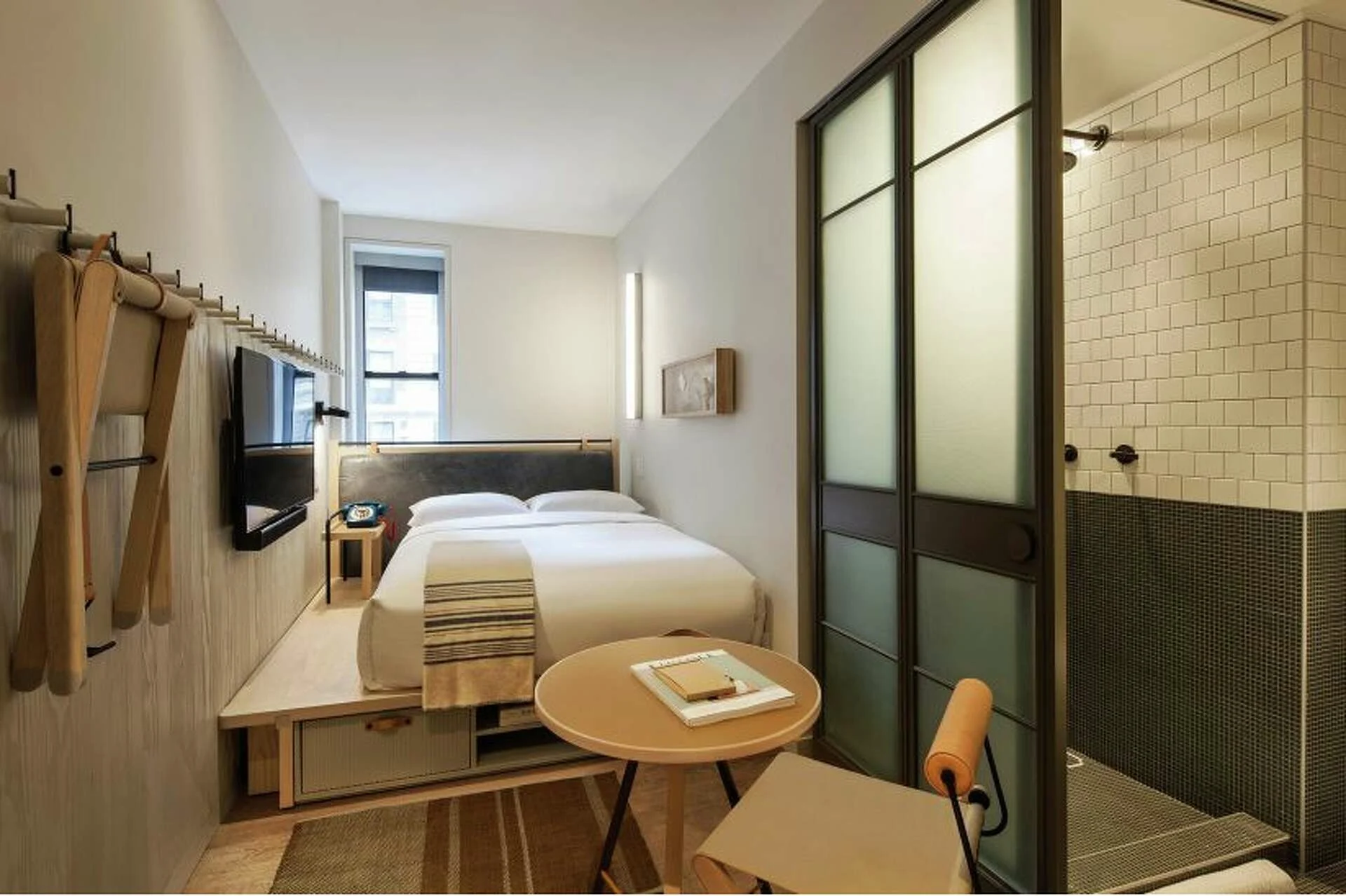
One luxury lifestyle brand, for instance, now offers entry-level rooms starting at 25 square metres, with standard rooms exceeding 40 square metres. These compact rooms are not designed merely to increase density; they aim to attract younger, style-conscious guests who create the vibrant atmosphere that wealthier customers seek to buy into. Room size has become a portfolio strategy rather than a fixed standard.
This revenue-per-square-metre mentality mirrors trends already visible in residential real estate, retail, and co-working, where utilisation often matters more than absolute size. As travelers increasingly prioritise experiences over amenities, hotels are adapting their physical footprints accordingly.
Small Rooms, Premium Prices
Perhaps the most striking insight from the SEAHIS discussion was that smaller rooms are not synonymous with lower prices. Guests may pay premium rates for compact spaces if the experience aligns with their expectations. Conversely, a poorly designed room—regardless of size—can undermine guest satisfaction at any price point. Ergonomics matter more than dimensions alone.
Lifestyle hotels have a natural advantage here, as they redistribute value away from private rooms and into shared experiences: bars, wellness programmes, social spaces, and curated events. These establishments encourage guests to spend less time in their rooms and more time engaging with the wider property. The equation is compelling: a smaller room becomes acceptable, even desirable, if offset by memorable experiences elsewhere in the hotel.
This concept is already extending into hybrid hospitality models. Hostels with luxury amenities, pod hotels with yoga studios, and lifestyle brands blending communal spaces with premium food and beverage offerings are reshaping guest expectations. In some concepts, guests sleep in spaces as small as 2.5 square metres while spending the majority of their time in social or experiential environments.
As tourism boards focus on quality growth, the room itself is no longer the product; it serves as a gateway to a holistic, immersive experience. For travel professionals—from hoteliers to tour operators—the message is clear: the future of hospitality lies not in square footage, but in the value created per square metre.