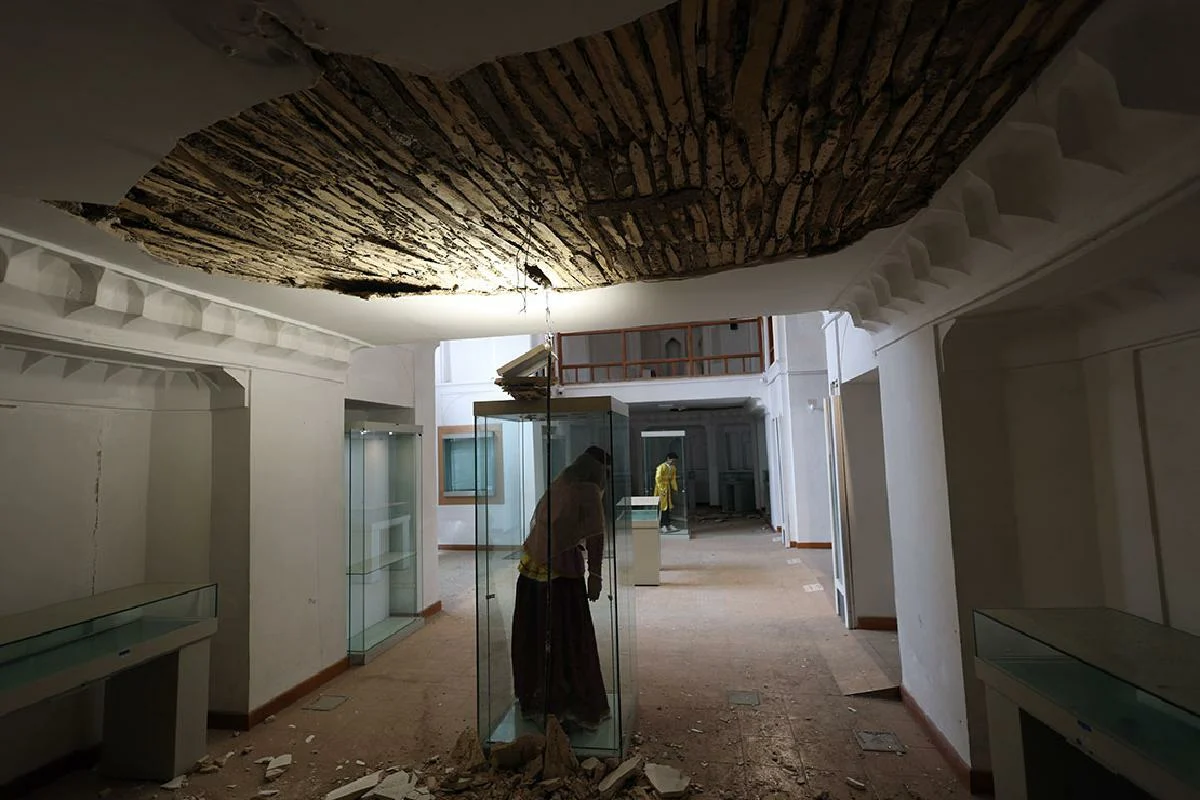
As military conflict places Iran under renewed international scrutiny, a quieter crisis is unfolding: the systematic erosion of one of the world's richest cultural landscapes. Beyond headlines about missiles and diplomacy, Iran's museums, mosques, palaces, bazaars and archaeological sites are suffering damage that may prove irreparable. Travel Daily Media first flagged the growing risks to Iran's tourism assets as tensions escalated, warning that harm to UNESCO sites could have lasting consequences for both tourism and conservation. Reuters has since revealed the scale of the destruction, reporting that Iran informed UNESCO that at least 134 cultural heritage sites were damaged during the conflict—one of the most significant threats to the country's cultural legacy in recent history. For a nation whose tourism appeal is built on millennia of civilization, the loss is both cultural and economic.
Isfahan: The Crown Jewel Under Threat
Few cities capture Iran's cultural identity like Isfahan. Its blue-tiled mosques, elegant palaces, historic bridges and bustling squares have made it one of the country's most recognizable tourism destinations. Naqsh-e Jahan Square, the Shah Mosque, Ali Qapu Palace and Chehel Sotoun Palace are more than architectural masterpieces—they represent the artistic and political zenith of the Safavid Empire and have welcomed visitors from around the world for decades. Reuters journalists who visited Isfahan after the attacks found cracked domes, shattered tiles, broken windows and damaged plaster, caused not by direct strikes but by powerful shockwaves from nearby explosions. Conservationists fear that even seemingly minor structural damage could threaten buildings that have stood for more than four centuries. For tourism, Isfahan has long been considered the crown jewel of any trip through Iran. Damage here strikes at the heart of the country's heritage tourism appeal.
Golestan Palace: Tehran's Royal Legacy at Risk
In Tehran, the UNESCO-listed Golestan Palace remains one of Iran's most treasured landmarks. Built during the Qajar dynasty, the palace is renowned for its mirror halls, colorful tilework and blend of Persian and European architecture. Often described as Iran's equivalent of Versailles, it has been a centerpiece of Tehran's cultural tourism for generations. UNESCO has expressed concern after the palace suffered damage from nearby explosions during the conflict, reinforcing fears that even indirect military activity can permanently affect fragile historic monuments. For visitors, Golestan Palace offers a glimpse into Iran's royal history. Preserving it is essential not only for tourism but also for understanding the country's cultural evolution.
Tehran Grand Bazaar: A Living Heritage Site
Iran's heritage extends well beyond palaces and archaeological ruins. The Grand Bazaar in Tehran remains one of the country's oldest living cultural spaces. For centuries it has connected merchants, artisans and travelers from across Asia and the Middle East. Today it continues to support thousands of businesses while offering visitors an authentic experience of Iranian daily life. The bazaar was among the heritage locations reported to have suffered damage during the conflict. Although restoration may repair buildings, preserving the atmosphere and commercial traditions that define the bazaar presents a far greater challenge.
Persepolis: The Symbol of Ancient Iran
No discussion of Iranian heritage is complete without Persepolis. Constructed more than 2,500 years ago by Darius the Great, the ceremonial capital of the Achaemenid Empire stands among the world's greatest archaeological sites. Although Persepolis has avoided the level of damage seen elsewhere, the conflict sparked international concern that any attack on the site would represent an irreplaceable loss for global civilization. Its survival offers some reassurance, but heritage experts caution that continued instability poses long-term risks to conservation, tourism and archaeological research.
Beyond the Famous Names
The greatest concern may lie with the heritage sites that rarely make international headlines. Iran's list of damaged locations includes historic homes, caravanserais, mosques, bridges, museums, archaeological sites and traditional neighborhoods spread across multiple provinces. These sites may attract fewer international visitors, but they are vital to local identity and domestic tourism. Many also receive limited conservation funding, making post-conflict restoration significantly more difficult.
Iran possesses one of the world's richest collections of cultural attractions, with UNESCO sites forming the backbone of its international tourism appeal. Before the conflict, destinations such as Tehran, Isfahan, Shiraz and Yazd were being promoted as key stops on heritage-focused itineraries. Damage to monuments, safety concerns and ongoing geopolitical uncertainty now threaten visitor confidence, tour operations and conservation funding. For tour operators, heritage guides and local communities, recovery will involve much more than rebuilding structures. It will require restoring confidence in a destination whose greatest attraction has always been its history.
The damage to Iran's cultural heritage should not be viewed solely through the lens of tourism. It represents a loss for global civilization. As the travel industry looks to the future, the preservation of these sites—and the stories they tell—must remain a priority. For those planning itineraries in the region, the situation underscores the importance of monitoring developments closely. Meanwhile, initiatives like Emirates' comprehensive travel insurance with conflict coverage offer some reassurance for travelers, but the broader challenge of safeguarding heritage remains.