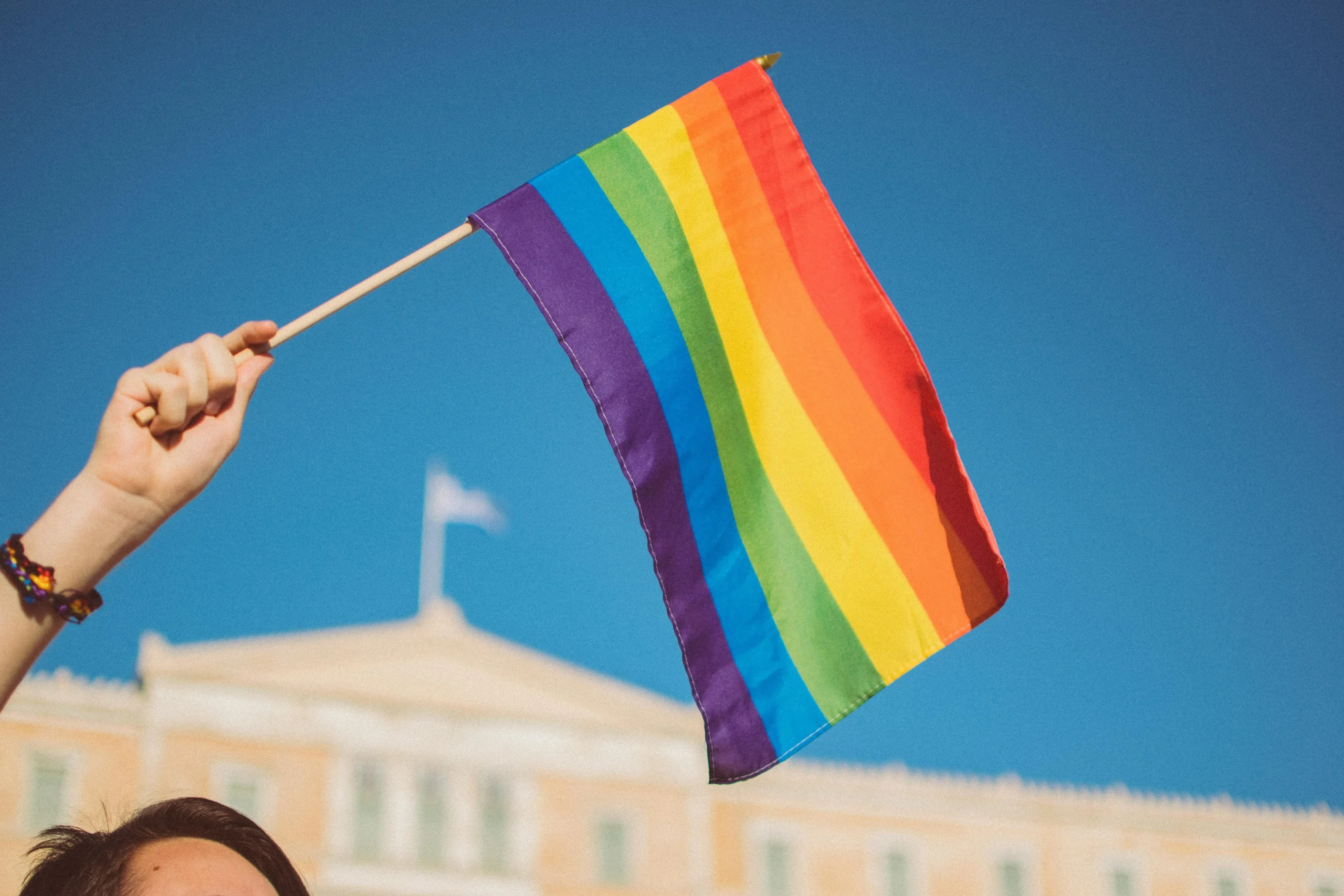
The global LGBTQIA+ travel sector, estimated at 10% of the world's travel and tourism industry and valued between US$357 billion and US$390 billion, is undergoing a significant geographic realignment. With a compound annual growth rate of up to 8%, the segment is increasingly influenced by sociopolitical shifts that are redirecting spending away from the United States toward destinations perceived as safer and more inclusive.
For travel professionals—from airline route planners to hotel revenue managers and tour operators—understanding these flows is critical. The US, long a top destination for LGBTQIA+ travelers, has seen a marked decline in appeal due to a conservative policy turn. Online forums such as Reddit show active discouragement of travel to the US, with one user noting: “I personally wouldn't go there right now, not because it's queer unfriendly, although it's clearly getting worse in that aspect too, but because it's in a very weird and unstable place right now.”
Winners in the Realignment
Canada is emerging as a primary beneficiary, drawing travelers from the US via carriers like Air Canada and WestJet. New Zealand, served by Air New Zealand and Qantas, is also seeing increased interest. In Europe, Malta, Portugal, and Spain are top choices. Malta, despite its strong Catholic heritage, ranks first on the ILGA Europe Rainbow Map for its robust protections in family rights, hate crime legislation, and gender recognition. Spain’s Aena-managed airports and Portugal’s TAP Air Portugal are likely to see higher traffic from this segment.
Asia is also gaining ground. Japan, Nepal, Taiwan, and Thailand lead in inclusivity, with Thailand’s Tourism Authority actively marketing to LGBTQIA+ travelers. Cambodia, the Philippines, Singapore, and Vietnam are improving but remain less open. Singapore’s Changi Airport and Vietnam’s growing hospitality sector, including properties like those under Vingroup, stand to benefit. For MICE planners, destinations like Malta and Thailand are increasingly viable for inclusive events, as noted in coverage of Hanoi's Vietnam Exposition Centre targeting the global MICE market.
Traveler Behavior and Emerging Trends
Despite the availability of welcoming destinations, 55% of queer travelers vet locations for safety and inclusivity before booking, and 43% cancel plans due to perceived hostility. This caution is reshaping booking patterns. For 2026, the key trends include prioritizing safe and sustainable destinations, and a rise in “safe adventure” travel—particularly in Spanish- and Portuguese-speaking nations in Europe and Latin America.
Pablo De Luca, president of the Argentine LGBT Chamber of Commerce, notes: “Seven out of ten LGBTQ+ travelers actively seek outdoor activities, and more than 20 percent are willing to try experiences like ziplining or hiking. In Argentina, that balance comes alive in Patagonia: trekking on the Perito Moreno Glacier or hiking in El Chaltén, then unwinding at a lodge overlooking the Andes.” This trend aligns with broader luxury and experiential travel shifts, as seen in the rise of near-airport Maldives resorts gaining edge among high-end travelers.
Family travel is also growing: over 50% of LGBTQ+ travelers travel with partners, and one in four with family members. De Luca emphasizes: “These are not ‘rainbow families,’ a term that often feels more like marketing than reality, but diverse families seeking safe, respectful destinations and meaningful experiences.” This presents opportunities for hotel groups like Marriott, Accor, and IHG to tailor family packages.
Defiance and Resilience in the US
Despite the broader shift, some LGBTQIA+ travelers are still visiting the US for Pride events, driven by a spirit of defiance. Isis Petrie Williams, president of Haddon Township Pride, told the Associated Press: “We decided to have a radical expression of joy, acceptance and love, centered on exposure and community connection.” However, this is a minority response; the overall trend is toward diversion of spending.
For travel industry stakeholders, the message is clear: destinations that invest in inclusive policies and marketing will capture a growing, high-value segment. Airlines such as Delta, United, and American may need to adjust capacity on domestic US routes, while international carriers like Lufthansa, which is expanding its Allegris product to Asia via Singapore and Kuala Lumpur, could see increased demand from LGBTQIA+ travelers seeking premium experiences in safer regions. Similarly, UnionPay and the Singapore Tourism Board's partnership to boost visitor spending reflects the kind of targeted collaboration that can attract this demographic.
As the map of welcoming destinations continues to evolve, travel professionals must stay agile. The data is clear: safety and inclusivity are no longer optional—they are competitive necessities.