A new study from Northumbria University, based on responses from nearly 96,000 adults in England, confirms what many in the travel industry have long suspected: time spent in natural environments is a powerful driver of wellbeing. The research shows that people who regularly visit green and blue spaces report significantly higher levels of happiness and life satisfaction than those who do not, with coastal areas—so-called blue spaces—delivering the strongest effect.
For travel professionals, this is more than a wellness trend; it's a demand signal. Travelers are increasingly seeking out destinations that offer genuine connection to nature, and the industry is responding with products and itineraries built around restorative landscapes. From forest bathing in California to snow yoga in the French Alps, the following 11 destinations illustrate how operators and destinations are capitalizing on this shift.
Coastal and aquatic escapes
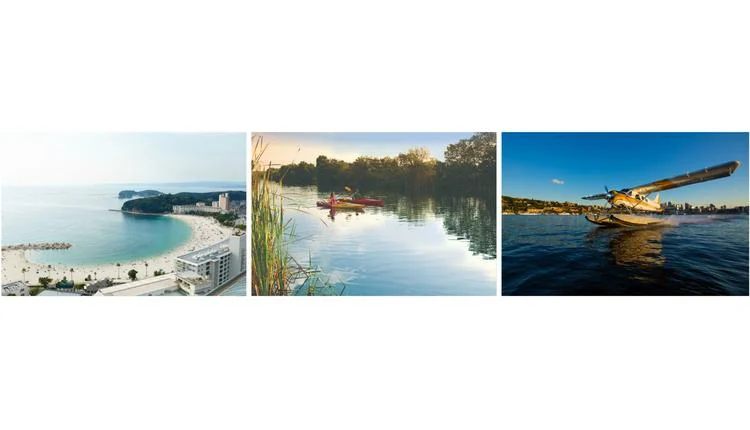
Japan's Shirarahama Beach in Wakayama Prefecture offers calm, clear waters ideal for swimming and snorkeling, making it a prime spot for coastal wellness tourism. In the United States, Lake Tahoe's famed clarity supports a range of water-based activities, from stand-up paddleboarding to sailing, while Seattle's Puget Sound combines urban exploration with seaplane flights and kayaking excursions into the San Juan Islands—a model for blending city and nature.
Florida's Everglades, part of the Paradise Coast, provides guided boat-assisted kayak tours where visitors can spot manatees and dolphins. These experiences are increasingly packaged by tour operators as 'blue mind' adventures, tapping into the science-backed mood benefits of being near water.
Forest and wildlife immersion
In California's Yosemite Mariposa County, forest bathing—a practice rooted in Japanese shinrin-yoku—is offered among the giant sequoias of the Sierra Nevada. The region has seen growing interest from wellness-focused travelers, and local outfitters have responded with guided mindfulness walks.
Aspen, Colorado, offers a different kind of wildlife encounter: the Sunset Beaver Walk at Hallam Lake, led by a trained naturalist, gives visitors the chance to observe beavers and other dusk-active species. Such experiences are a staple of the growing 'nature tourism' segment, which is gaining traction among luxury and adventure operators alike.
Alpine and wetland wellness
Méribel in France has introduced snow yoga sessions set against the Alpine panorama, combining physical activity with the calming effects of cold mountain air. Meanwhile, Hungary's Lake Tisza—a wetland area known for its biodiversity—offers birdwatching and eco-tours that appeal to travelers seeking quiet, off-the-beaten-path experiences.
These destinations are not just about scenery; they are about delivering measurable wellbeing outcomes. As the Northumbria study suggests, the restorative qualities of nature can leave travelers feeling happier and more connected to the world around them—a compelling selling point for any itinerary.
For operators and destinations, the takeaway is clear: invest in nature-based offerings and market them with evidence. The world's first nature listening festival in Finland is one example of how destinations are innovating in this space. Similarly, nature-first modular concepts are emerging in hospitality, and US destinations are courting Canadian travelers with nature-focused packages. Even urban travel is shifting toward local, nature-adjacent experiences, boosting neighborhood economies.
As the travel industry continues to recover and evolve, the link between nature and wellbeing will only grow stronger. Destinations that can authentically deliver these experiences—and communicate their benefits—will be well positioned to capture the attention of today's wellness-conscious traveler.